
 English
 Spanish
 Arabic
 Chinese
 French
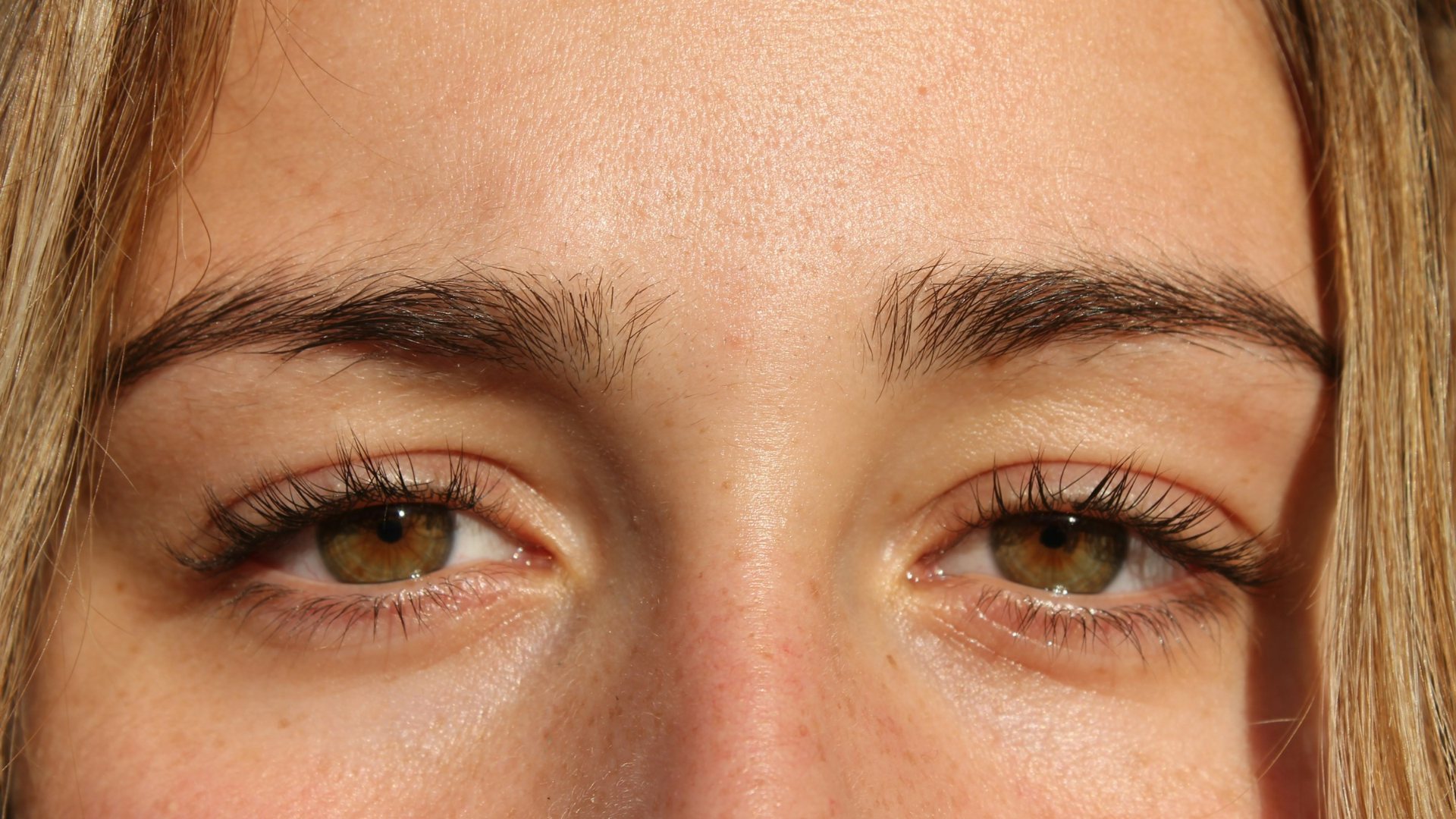
FUE eyebrow transplant · Surgical planning
An agreed eyebrow outline describes where hair should appear. The surgical plan describes how the team will try to achieve that safely: which follicles are suitable, how they are prepared, how each recipient site is made and how much is attempted in a single session. The two are connected, but they are not the same document.
The essential idea
An eyebrow plan is a set of linked limits, not a graft target. Graft numbers, density, hair direction and curl all constrain each other. Changing one of them, such as asking for a denser brow head, changes donor demand, site spacing and the risk profile of the session. Planning makes those trade-offs visible before surgery rather than during it.
From an agreed outline to a surgical plan
Our eyebrow-transplant consultation article explains how the cause of eyebrow loss is assessed and how a provisional outline is mapped. Planning begins once that outline is broadly agreed and transplantation still appears appropriate. Its purpose is to turn a drawing into instructions that the surgical team can follow and later review.
A useful plan usually covers four connected elements. Each one can be explained to the patient, and each one may still be adjusted if findings on the day are different from those at consultation.
Zone map
Where each type of hair goes
The brow is divided into areas that need different directions, spacing and hair calibre, rather than one shape filled evenly.
Graft range
How much is attempted
An estimated range per brow, linked to the agreed density and donor capacity. It is not a promised count or a guaranteed result.
Donor plan
Where follicles come from
The donor area, its expected yield of fine single-hair units and how harvesting will be spread to protect the area.
Review plan
How progress is judged
Baseline photographs, recorded markings and planned follow-up points, so growth can be assessed against the original intention.
Writing these elements down matters because eyebrow transplantation involves many small decisions repeated hundreds of times. A clear plan helps keep those decisions consistent across a session that can last several hours, and it gives both patient and clinician a reference point when the result is reviewed months later.
Why the plan is built around single-hair grafts
Native eyebrow hairs usually emerge individually and lie close to the skin. Scalp hair grows in follicular units that may contain one, two or more hairs. A unit containing several hairs can look tufted if it is placed in an eyebrow, particularly at the front of the brow or in the tail, where individual hairs are most visible.
For that reason, eyebrow plans are generally built around single-hair grafts. Published descriptions of FUE eyebrow transplantation and eyebrow restoration emphasise fine, single-hair units for a natural pattern. Some surgeons describe dividing larger units under magnification; whether this is appropriate depends on the follicles and the technique, and extra handling is itself a consideration.
Selection happens more than once
Follicles are first selected during harvesting, when the surgeon chooses which units to extract from the donor area. They are then examined again under magnification while grafts are sorted and trimmed. At this second stage, hair number, calibre, length and the shape of the shaft can be checked before a graft is assigned to a particular part of the brow.
This affects donor planning. If only a proportion of harvested units are fine single hairs, more of the donor area may need to be assessed to obtain them. The plan therefore considers donor density and calibre, not simply the total number of follicles available. Our eyebrow suitability article explains why some donor hair is less suitable for the brow.
Recording direction before the first incision
Eyebrow hairs change direction across the brow. The head often points more upwards, the body tends to sweep outwards and the tail generally runs outwards and slightly downwards. Our eyebrow anatomy and graft-direction article explains these zones in detail. In planning, the practical question is how that intended direction is recorded so that it can be followed consistently.
Directions may be drawn on the skin as arrows, documented in photographs and compared with any remaining native hairs, which can act as a guide. Recording these details before local anaesthetic is given is important, because anaesthetic fluid and early swelling can temporarily alter skin tension and make the brow look different from its relaxed state.
| Element | What is recorded | Why it matters |
|---|---|---|
| Outline and reference points | Agreed borders, start and end points, relationship to the eye and nose. | Provides a fixed reference once swelling or anaesthetic changes the appearance. |
| Zone directions | Intended exit direction and angle for the head, body and tail. | Helps keep recipient sites consistent throughout a long session. |
| Graft range per zone | Estimated range for each part of each brow. | Links density decisions to donor capacity and spacing. |
| Native hairs to preserve | Areas where existing hairs remain and should not be damaged. | Existing hairs influence spacing, direction and the eventual blend. |
| Donor area | Location and harvesting pattern for suitable fine hairs. | Supports donor protection and future options. |
| Follow-up points | Planned review dates and baseline photographs. | Allows growth to be judged against the plan rather than memory. |
No record can guarantee that every transplanted hair will grow in exactly the planned direction. Healing, graft position within the skin and the behaviour of each follicle all influence the outcome. The record makes the intention explicit and helps identify what may need attention later.
Using curl as a planning variable
Most scalp hairs are not perfectly straight. Even fine hairs usually have a gentle curve along the shaft. When a graft is placed, the way that curve is oriented can influence whether the growing hair tends to lie towards the skin or lift away from it. For this reason, curl is considered alongside angle and direction rather than as a separate cosmetic detail.
During sorting, the curve of each graft can be observed and the graft oriented accordingly at placement. The donor assessment also records the general curl pattern. Tightly curled or very coarse hair may be harder to match to an eyebrow and may make a transplant less suitable, or require a different expectation of how the brows will need to be groomed.
Planning cannot fully predict how a transplanted hair will behave once it grows to a longer length. Scalp-derived hairs usually keep many donor characteristics, as explained in our article on transplanted follicle behaviour. Trimming and grooming therefore remain part of the long-term plan.
Density: deciding what one session should attempt
Density in an eyebrow is a distribution, not a single number. The body of the brow often carries more visual weight, while the head and tail may look more natural with lighter, more scattered placement. A plan therefore allocates grafts by zone rather than spreading the same density across the whole outline.
There are practical limits on how closely recipient sites can be placed. Research on recipient-site design discusses how site size, depth and spacing relate to blood supply in the recipient skin. Very dense packing in a small area may increase the strain on healing tissue, and it also consumes more donor follicles.
Why a first session may be deliberately conservative
Some plans aim for a moderate density in one session and reassess once growth has matured. This can preserve donor hair, reduce the demands of a single session and allow the brow to be judged as it actually grows. A second session is a new surgical decision with its own risks and is not automatic. Our eyebrow results article explains why density should be judged over many months.
What is checked again on the day
A plan agreed at consultation is reviewed before surgery begins. The outline is usually checked with the face relaxed and without eyebrow makeup, and it may be redrawn or confirmed after discussion. Photographs are taken so that the marked design is documented. If the skin is inflamed, infected or irritated, or if new health information emerges, the plan may be postponed or changed.
The usual order is to harvest donor follicles, sort and prepare grafts, create recipient sites and then place grafts, although the exact sequence depends on technique. Our separate article on local anaesthesia for eyebrow transplantation explains what patients may feel during these stages.
The team may also reduce the planned number of grafts if fewer suitable single-hair units are obtained than expected, or if the recipient skin is not tolerating further sites well. Stopping short of the original range in these circumstances is part of safe planning rather than a failure of the plan.
What planning cannot control
Careful planning cannot guarantee graft survival, final density, symmetry or the exact direction of every hair. Eyebrow transplantation can cause infection, bleeding, swelling, scarring, inflamed follicles, cysts, poor growth or an unsatisfactory pattern. The systematic review of eyebrow and eyelash transplantation includes varied techniques and largely small studies, so published outcomes cannot be used to predict an individual result.
Contact the treating team promptly if healing changes unexpectedly
Seek advice for increasing pain, spreading redness, pus, fever, persistent bleeding or worsening swelling. Seek urgent medical assessment for severe eye pain or any change in vision.
An underlying cause of eyebrow loss can also affect transplanted or native hairs later. The plan should therefore include follow-up and a route back to the clinic if new loss, inflammation or concerns about direction develop. The GMC guidance on cosmetic interventions supports discussing these limitations openly and allowing time to decide.
Frequently asked questions
Why can’t I be told an exact graft number before surgery?
Are all eyebrow grafts single hairs?
Can the direction of each hair be planned exactly?
Does curly scalp hair rule out an eyebrow transplant?
Why might the first session be deliberately conservative?
Can the outline be changed on the day of surgery?
Will both eyebrows receive the same number of grafts?
Individual assessment
Review the plan behind your eyebrow design
A consultation can explain how your outline, donor hair and density range would be planned, and where the limits lie. Mention any previous eyebrow treatment, including microblading or tattooing.
Medical and regulatory sources consulted
- Dr Ducu Clinics — Eyebrow Transplant
- The Science and Art of Eyebrow Transplantation by Follicular Unit Extraction
- Hair Transplant for Eyebrow Restoration
- Eyebrow Transplantation Using Long Hair Follicular Unit Excision Technique
- Eyebrow restoration: the approach, considerations, and technique in follicular unit transplantation
- Recipient-site design and minimising vascular damage in hair transplantation
- Eyebrow and Eyelash Hair Transplantation: A Systematic Review
- ISHRS — Eyebrow and Eyelash Hair Restoration Surgery
- NHS — Hair transplant
- GMC — Cosmetic interventions guidance
- ASA/CAP — Section 12: health-related advertising and cosmetic interventions
Medical note: This article provides general information for adults considering eyebrow transplantation. It does not replace an individual consultation or examination. Suitability, graft numbers, growth and cosmetic outcomes vary between patients and cannot be guaranteed. Follow the treating clinician’s advice and seek assessment for unexpected changes.