
 English
 Spanish
 Arabic
 Chinese
 French
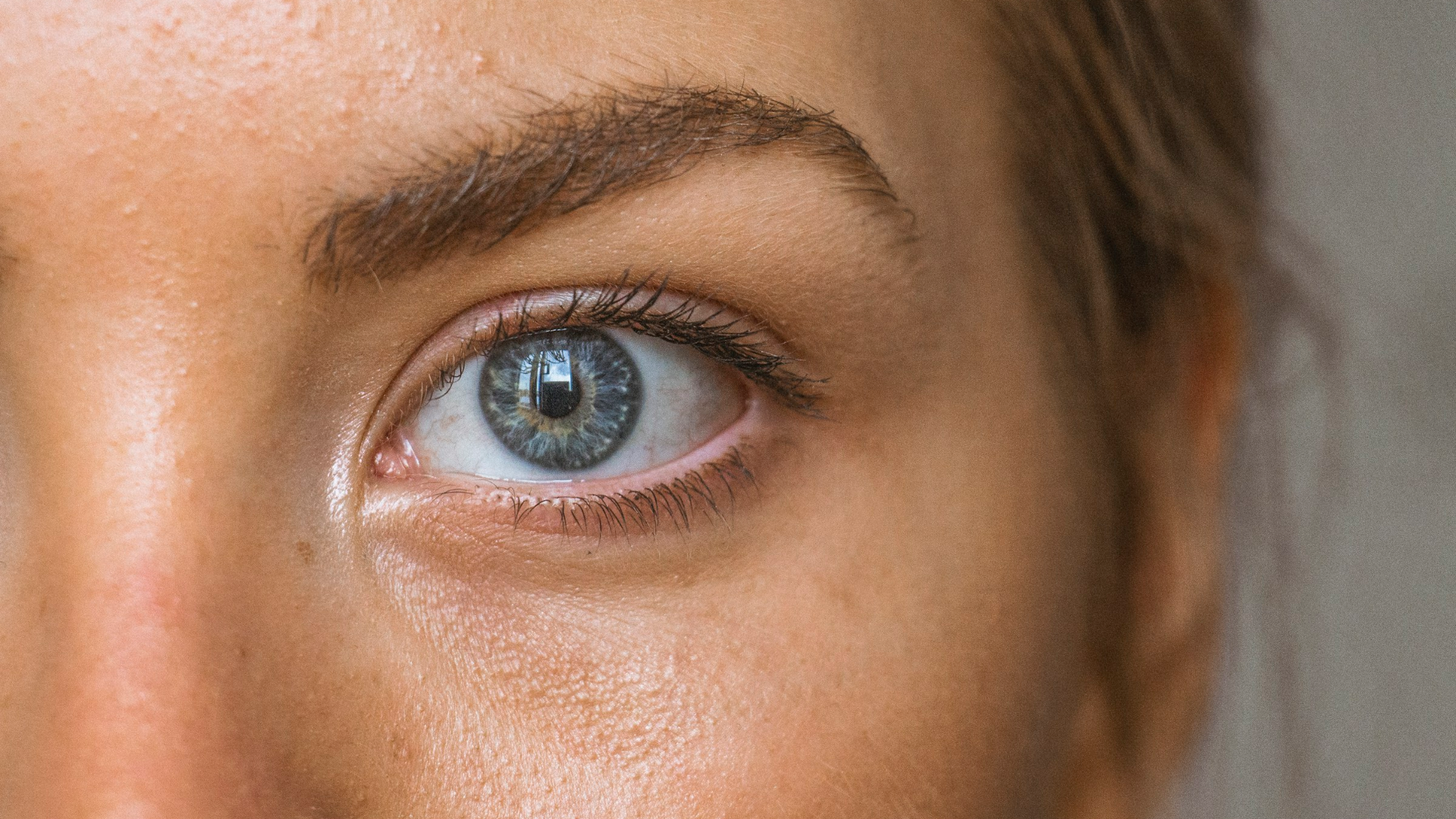
FUE eyebrow transplant · Anaesthesia and treatment day
An eyebrow transplant is carried out on one of the most expressive and sensitive parts of the face, just above the eyes. Local anaesthesia allows the procedure to be performed while you are awake, but working so close to the eyes brings particular considerations: when the design is marked, how you are positioned, what you may see and feel, and how swelling can affect the eyelids afterwards.
The essential idea
Anaesthetic changes how the brow looks before it changes how it feels. The fluid used to numb the area, and the swelling that follows, can temporarily alter skin tension and brow position. That is why the agreed design is marked and photographed beforehand, and why the early appearance after surgery is not a reliable guide to the final shape.
Why the eyebrow region needs particular care
The skin of the brow is relatively thin and closely connected to the muscles that raise, lower and draw the eyebrows together. Sensation in the forehead and brow comes mainly from branches of nerves that emerge near the upper edge of the eye socket. Our eyebrow anatomy article explains how this region is structured.
Local anaesthetic may be given as a series of small injections along the brow, and in some cases as a block placed near the nerves supplying the area. A study comparing approaches for supraorbital and supratrochlear nerve blocks illustrates how technique can influence comfort. The method chosen depends on the clinician and the individual, and you can ask which approach is planned.
The donor area, usually at the back or side of the scalp, is numbed separately. The eyebrow transplant procedure commonly takes around four to six hours as a day case, so the anaesthetic for each area is timed to the stage of the procedure.
Why the design is marked before anaesthetic
The agreed eyebrow outline, the intended hair direction in each zone and the position of any native hairs are usually confirmed with your face relaxed, upright and free of makeup. Once anaesthetic fluid is injected, the brow can look fuller, flatter or slightly lower, and natural movement may be reduced for a time.
Marking and photographing the design first preserves a reference that is not affected by these temporary changes. Our article on how FUE eyebrow transplantation is planned explains what that planning record usually contains.
For the same reason, it is better to raise any concern about the shape before the anaesthetic is given. Once the brow is swollen, it becomes harder for both patient and clinician to judge small changes to the outline.
What you may feel in each area
Experiences differ, but the stages below describe what is commonly reported. Tell the team if anything feels sharp, hot or otherwise unexpected.
Donor area
Back or side of the scalp
A brief sting from the injections, followed by pressure and the sound of the extraction instrument.
Brow injections
The most noticeable moment
Injections close to the brow can sting more than those on the scalp. This usually settles once the area is numb.
Recipient sites
Tapping and light pressure
Creating tiny recipient sites is usually felt as pressure rather than pain once anaesthesia is effective.
Placement
Light touch
Placing grafts is often barely felt, although you may notice movement close to your eyes.
The eye itself is not numbed. You will usually be asked to keep your eyes closed or gently shielded during work on the brow, and bright procedure lights may still be noticeable through closed eyelids. You can blink normally. If your eyes feel dry, gritty or uncomfortable, say so.
Staying still, comfortable and in contact
Precision matters in eyebrow work because each graft is placed at a shallow angle in a specific direction. You may be asked to keep your forehead relaxed and avoid raising or frowning your eyebrows while recipient sites are created. This can feel unnatural for long periods, so short pauses are normal.
Comfort is planned across the day. Head and neck support, breaks between the donor and brow stages, and an agreed signal for when you need the team to stop can all help. If you feel faint, nauseous, unusually anxious or notice any unusual symptoms such as numb lips or a metallic taste, tell the team straight away. Our article on local anaesthesia for FUE hairline lowering includes a fuller guide to sensations that should be reported during any procedure under local anaesthesia.
Swelling and bruising around the eyes afterwards
The eyelids have loose, thin skin, so fluid from the anaesthetic and the healing response can collect there. Puffiness of the upper eyelids, and sometimes bruising, may develop in the first days after surgery even though the eyelids were not treated. In some people, swelling briefly makes the eyes feel heavy or harder to open fully.
| Change | Often expected? | Seek advice when |
|---|---|---|
| Upper-eyelid puffiness | Common in the first days. | It increases rapidly, is painful, or is accompanied by fever or redness. |
| Bruising around the brow or eyes | Possible; usually fades over days. | It spreads rapidly or is associated with bleeding that does not stop with gentle pressure. |
| Tightness across the brow | Common as swelling develops. | It becomes severe or is accompanied by increasing pain. |
| Watery or irritated eyes | Can occur after a long procedure with closed eyes. | There is eye pain, discharge or sensitivity to light. |
| Blurred or reduced vision | Not expected. | Always seek urgent medical assessment. |
Sleeping with the head raised and following your aftercare instructions may help limit swelling. Do not press on or rub the brows to reduce swelling, because grafts are fragile in the early days.
Sensation returning in the brow and donor area
The numbing effect of the anaesthetic usually wears off within hours. As it does, the brow may feel tender, tight or itchy, and the donor area may feel sore. Use only the pain relief recommended by the treating team, as some medicines may increase bleeding.
Some people notice reduced or altered sensation in the brow, forehead or donor area for longer than the anaesthetic itself lasts. This is usually related to the effect of surgery on small skin nerves and often improves gradually. Persistent, worsening or painful changes in sensation should be reviewed.
Information that helps the team plan anaesthesia
Tell the team about any previous reaction to local anaesthetic, including dental anaesthetic, and about eye conditions, recent eye surgery, glaucoma, dry eye or contact lens use. Bring glasses if you normally wear contact lenses, as you may be asked to remove lenses for the procedure.
Disclose all medicines and supplements, including blood thinners, but do not stop prescribed medicines without advice. Arrive without eyebrow or eye makeup if instructed, and arrange travel home, since swelling can affect how comfortable it is to drive in the following days.
Seek urgent help for eye symptoms
Seek urgent medical assessment for severe eye pain, any change in vision, or rapidly worsening eyelid swelling with fever or spreading redness. The NHS guidance on eye pain explains when urgent care is needed.
Before treatment, the team will also ask about medicines, supplements and brow products; our guide to what to disclose before an eyebrow transplant explains why these details matter around the eye area.
Frequently asked questions
Are my eyes numbed during an eyebrow transplant?
Can I open my eyes during the procedure?
Why do my brows look different once the anaesthetic is in?
Is the donor area anaesthetised separately?
Can I wear contact lenses on the day?
When can I judge the shape if the area is swollen?
Individual assessment
Understand what your treatment day would involve
A consultation can explain how the brow and donor area are numbed, how the day is structured and what aftercare involves. Mention any eye conditions or previous anaesthetic reactions when you book.
Medical and regulatory sources consulted
- Dr Ducu Clinics — Eyebrow Transplant
- NHS — Local anaesthetic
- Comparison of Pain Levels in Anterior Versus Cephalic Approach for Supraorbital/Supratrochlear Nerve Blocks (Dermatologic Surgery, 2018)
- A Systematic Review and Meta-analysis of Methods for Reducing Local Anesthetic Injection Pain Among Patients Undergoing Periocular Surgery
- Local anaesthetics in dermatological surgery: a review of adjuncts and pain reduction techniques
- The Science and Art of Eyebrow Transplantation by Follicular Unit Extraction
- Hair Transplant for Eyebrow Restoration
- NHS — Eye pain and urgent symptoms
- GMC — Cosmetic interventions guidance
- ASA/CAP — Section 12: health-related advertising and cosmetic interventions
Medical note: This article provides general information for adults considering eyebrow transplantation. It does not replace individual medical advice. Anaesthetic techniques, sensations and recovery vary between patients. Follow the treating clinician’s instructions and seek urgent assessment for eye pain or changes in vision.