HOME > FEMALE > EYEBROW TRANSPLANT

Eyebrow transplant - FUE Eyebrow transplant

PROCEDURE TYPE

Surgical

TREATED AREAS

Eyebrows

USED FOR

Eyebrow hair grafting

RECOVERY

3-5 days

Eyebrow transplant London

eyebrow transplant in london

What does the eyebrow transplant involve?

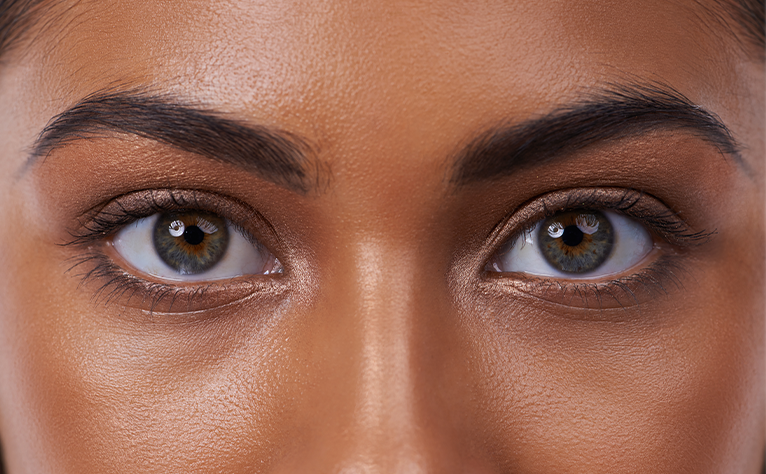
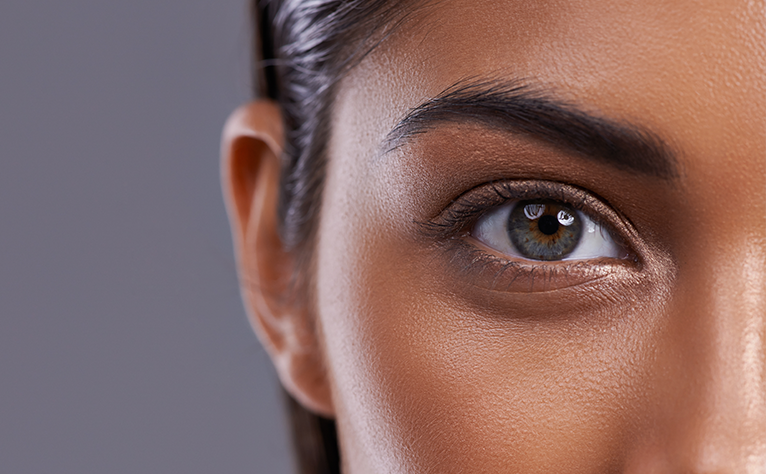
Thin or irregular eyebrows may affect facial balance and definition. Some patients choose eyebrow transplantation to improve eyebrow shape and density using their own hair follicles.

An eyebrow hair transplant using the Follicular Unit Extraction (FUE) method involves the harvesting of individual hair follicles from a donor area, typically the back of the scalp, and transplanting them into the eyebrows to enhance their shape, density, and appearance.

At Dr Ducu Clinics, we utilise the FUE method for eyebrow transplantation because it allows for precise harvesting of donor hairs without leaving a linear scar, making it suitable for creating delicate and aesthetically pleasing eyebrow shapes.

Why do we use FUE for eyebrow transplant?

Follicular Unit Extraction (FUE) has become increasingly popular for eyebrow transplants.

Here are some of the most important benefits of the procedure:

Precision - FUE allows for precise harvesting of individual follicular units, enabling us to extract hairs from the donor area with minimal damage to surrounding tissues.

Scarless healing -Minimal scarring - Unlike strip harvesting, FUE does not create a linear scar. It produces multiple small circular scars in the donor area, which are often difficult to detect once the surrounding hair has grown.

Customisation - FUE provides us with greater flexibility in selecting donor hairs of the appropriate length, thickness, and angle to match the natural direction and growth pattern of the existing eyebrows.

Minimal downtime - Recovery - FUE eyebrow transplantation is a minimally invasive surgical procedure performed under local anaesthesia, usually as a day case. Swelling, redness and scabbing are expected during the early recovery period, and the time needed away from work varies between patients.

eyebrow implants london

Testimonials

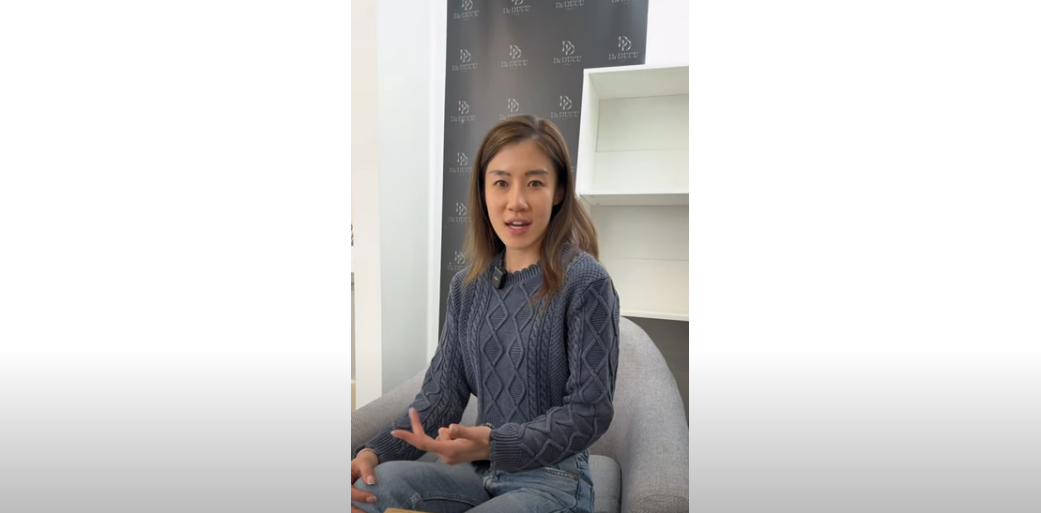
5 Videos

Why have an eyebrow transplant?

An eyebrow transplant is a surgical procedure used to increase eyebrow density or reconstruct areas of hair loss by transferring suitable hair follicles from a donor area.

Many people struggle with thin or sparse eyebrows, which can be difficult to address with makeup alone.

Repeated use of certain cosmetic products or removal techniques may irritate the skin in some individuals. However, ordinary eyebrow makeup is not generally established as a cause of permanent eyebrow thinning.

An eyebrow transplant can provide long-lasting improvement in eyebrow density. Transplanted follicles that successfully establish may continue to grow, although graft survival, density and long-term appearance vary between individuals.

Reasons to choose an eyebrow transplant:

  • Genetics – Naturally thin or sparse eyebrows that don’t respond to growth serums or treatments.
  • Over-plucking – Damage from years of plucking or waxing, leading to permanent hair loss in the brow area.
  • Scarring – Loss of eyebrow hair due to scarring from injuries, surgeries, or burns.
  • Ageing – Thinning eyebrows caused by the natural ageing process.

The aim of treatment is to create a fuller and better-defined eyebrow appearance that complements the patient’s facial features.

eyebrow grafting london

Eyebrow hair transplant at Dr Ducu Clinics London

1. Consultation

Your eyebrow transformation begins with a comprehensive consultation with a qualified hair transplant surgeon at Dr Ducu Clinics. During this initial appointment, the surgeon evaluates your eyebrow shape, density, and desired outcome. You will discuss your goals, medical history, and any concerns or questions you may have.

The surgeon will assess the donor area (typically from the side of the head, near the ear) to determine the availability of suitable hair follicles for transplantation.

Hair is commonly selected from an area where the follicles most closely match the calibre and characteristics required for the eyebrow. The most suitable donor site varies between patients.

2. Procedure

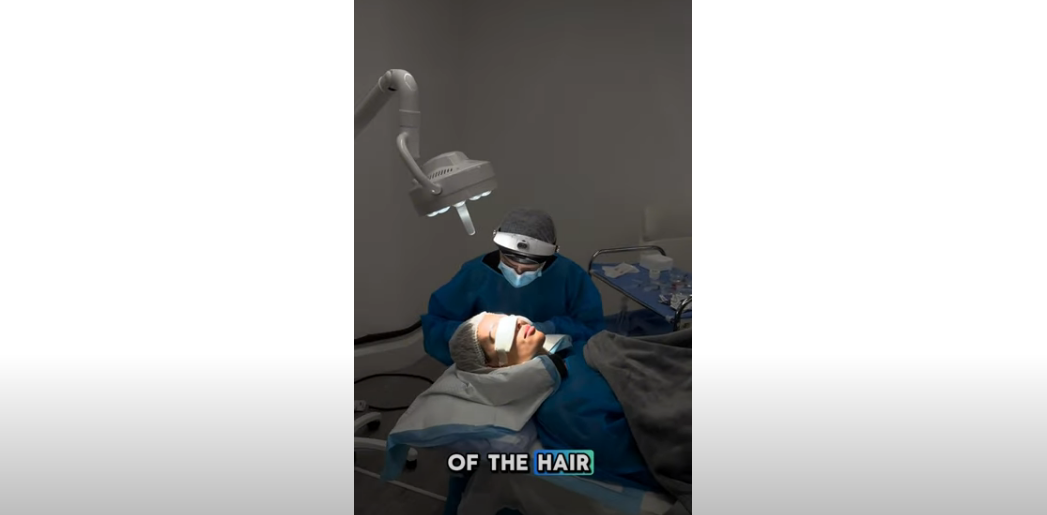
Local anaesthetic is administered to reduce discomfort during the procedure. Patients may still experience brief discomfort during injection of the anaesthetic and pressure or pulling sensations during treatment. Using a specialised extraction tool, the surgeon harvests individual hair follicles from the donor area, carefully selecting follicles of the appropriate length, thickness, and angle to match the natural growth pattern of the eyebrows. These follicles are then meticulously implanted into the recipient sites in the eyebrows, using tiny needles.

The follicles are placed with careful attention to their angle, direction and distribution, with the aim of producing a result that blends with the patient’s existing eyebrow hair.

The number of grafts required depends on the existing eyebrow density, the area being reconstructed, the agreed design and donor-hair availability. Your surgeon will provide an individual estimate following assessment. These grafts are individually harvested and manually implanted. The procedure takes around 4-6 hours and you do not need to stay overnight.

3. Aftercare & recovery

Following the FUE eyebrow transplant procedure, you will receive guidelines for cleaning and caring for the transplanted area, as well as recommendations for avoiding activities that may disrupt the healing process.

Expected early effects include swelling, redness, tenderness and scabbing. These commonly improve over the first one to two weeks, although healing times vary and residual redness may persist for longer in some patients.

Also, be prepared to experience some amount of scabbing. It’s essential to follow your surgeon’s instructions closely and attend follow-up appointments for monitoring to ensure a smooth recovery.

4. Results

Transplanted hairs commonly shed during the first few weeks. New growth may begin after approximately three to four months, with density continuing to develop over the following months. Final maturation may take around 9-12 months or longer. Not every graft will survive, and the final density and symmetry cannot be guaranteed. The eyebrows will become fuller, thicker, and more defined, enhancing your overall facial appearance and symmetry. Please note that

Regular follow-up appointments with the surgeon will allow for monitoring of the healing process and adjustment of the treatment plan as needed to ensure the best possible outcome from the FUE eyebrow transplant procedure.

Eyebrow mapping in London - What is it?

Eyebrow mapping is a crucial first step in achieving natural, symmetrical brows through our FUE eyebrow transplant. At Dr Ducu Clinics, our team specialises in precise eyebrow mapping to design the ideal shape that complements your facial features and aesthetic goals. This planning helps the surgeon determine the intended eyebrow shape and guide the angle, direction and placement of the transplanted follicles. The final result depends on healing, graft survival and individual hair characteristics. Careful planning is used to agree an eyebrow shape that is appropriate for the patient’s facial features, donor-hair characteristics and treatment goals.

Visit our Instagram page and learn more about our procedures and results

FUE eyebrow transplant in London vs Tattooing and Microblading

When it comes to enhancing your eyebrows, many people consider options like tattooing and microblading as alternatives to an eyebrow transplant. While these procedures can provide a temporary solution, they often fall short of delivering the truly natural look that many desire.
Unlike tattooing and microblading, which involve applying pigment to the skin, an eyebrow transplant uses your own hair to create full, natural eyebrows that blend seamlessly with your existing hair.
Here are some key differences:

Longevity:

Eyebrow transplantation can provide long-lasting growth from follicles that successfully establish. However, graft survival and longevity vary, and no result can be guaranteed to last for life.

Tattooing and Microblading are temporary solutions that typically fade over time, requiring regular touch-ups.

Appearance:

Eyebrow transplantation uses the patient's own hair to create three-dimensional hair growth. The aim is to blend the transplanted follicles with the existing brows, although the final appearance varies.

Tattooing and microblading use pigment rather than transplanted hair, so their appearance and maintenance requirements differ from those of an eyebrow transplant.

Maintenance:

Because the donor follicles usually retain scalp-hair growth characteristics, regular trimming and grooming are commonly required. Some patients may also require further treatment to improve density or symmetry.

Tattooing and microblading require regular touch‑ups to maintain colour and shape, with potential fading or discolouration over time.

Book a consultation today to discuss how can eyebrow transplant be a solution for you!

FUE eyebrow transplant london

Here are some of the reasons many patients have chosen Dr Ducu Clinics:

Specialisation and expertise - Eyebrow transplantation is performed by clinicians with relevant training and experience in hair restoration. Details of the treating clinician's qualifications and experience will be provided during consultation.

State-of-the-art facilities - The procedure is carried out in an appropriate clinical setting using equipment suitable for FUE hair transplantation. Patient safety, comfort, risks and expected outcomes are discussed as part of the consultation and consent process.

Personalised care and support - Dr Ducu Clinics prioritises personalised care and support for each patient. Our support staff can address your concerns and provide guidance and assistance whenever you need it.

Why have the eyebrow grafting at Dr Ducu Clinics?

Choosing an appropriately qualified and experienced clinician is important when considering eyebrow transplantation. As with all surgery, risks remain and results vary.

Eyebrow transplant London - Frequently asked questions

See other procedures

Vaser Liposuction

Perfect abs, a new body shape
Vaser Liposuction, also known as HD Vaser Liposuction, is a less invasive procedure than traditional...

Lip Lift

Keep your natural-looking lips
A lip lift is a simple procedure designed to elevate your upper lip. Since...

Forehead reduction surgety - Hairline Lowering

Boost your confidence
This procedure is also called forehead reduction and involves lowering the hairline, shorten the...

Ideal candidates for eyebrow transplant are individuals who are bothered by thinning, sparse, or irregular eyebrows. These individuals may have experienced eyebrow hair loss due to factors such as genetics, over-plucking, aging, medical conditions, or trauma. Ideal candidates should be in good overall health and have realistic expectations about the outcomes of the procedure.

Eyebrow transplantation is a surgical procedure and carries risks even when performed by an appropriately trained and experienced clinician. Potential complications include infection, bleeding, swelling, scarring, poor graft survival, folliculitis, ingrown hairs, altered sensation, asymmetry, an unnatural growth direction, donor-site thinning and dissatisfaction with the cosmetic result. The likelihood and relevance of these risks will be discussed during consultation.

Transplanted follicles that successfully establish can provide long-lasting hair growth. They usually retain characteristics of the donor scalp hair and may therefore grow longer than native eyebrow hairs and require regular trimming. Graft survival and longevity vary.

The results of an eyebrow transplant are typically permanent. Once the transplanted hair follicles have taken root and begun to grow in the recipient area, they continue to grow like natural eyebrow hairs. Of course, genetics, aging, and lifestyle factors can affect the longevity of the results. But with proper care, the results can be maintained in the long term.

In general, eyebrow transplant surgery typically takes several hours to complete, with most procedures lasting between 4-6 hours. The actual surgical time may be shorter or longer depending on factors such as the number of hair follicles being transplanted and the complexity of the eyebrow shape and design.

Yes, eyebrows continue to grow after a transplant. Once the transplanted hair follicles have taken root and begun to grow in the recipient area, they typically continue to grow like head hair. Therefore, regular maintenance may be required to trim and shape the eyebrows as needed to maintain the desired appearance.

You should refrain from touching or rubbing the transplanted area, avoiding exposure to excessive sunlight, and refraining from swimming or soaking in water. You should also avoid strenuous exercise or physical activity. Additionally, you should not apply makeup or skincare products to the transplanted area, and you may be advised to abstain from smoking or alcohol consumption during the recovery period.

You can expect to return to work within a few days to a week after the eyebrow transplant procedure. This is provided that your job does not involve strenuous physical activity or exposure to factors that could compromise the healing process.

 During the eyebrow transplant, you will undergo local anaesthesia to numb the treatment area, which helps minimise discomfort during the procedure. Local anaesthetic usually makes the procedure tolerable, although patients may feel discomfort during administration of the anaesthetic and pressure, pulling or soreness during and after treatment.

After the procedure, you may experience some soreness, swelling, or discomfort in the transplanted area, which can be managed with pain medications prescribed by the surgeon.

You can expect to have several follow-up appointments in the weeks and months following the eyebrow transplant to monitor your progress, assess healing, and address any concerns or questions that may arise.

As with any surgical procedure, eyebrow transplantation carries potential risks and complications. These include pain, swelling, bruising, bleeding, infection, scarring, folliculitis, ingrown hairs, temporary shock loss of existing hair, poor or uneven graft growth, loss of transplanted grafts, cysts, altered sensation, asymmetry, an unnatural hair angle or direction, donor-site thinning, the need for additional procedures and dissatisfaction with the cosmetic result. Rare or unforeseen complications may also occur. The risks that apply to you will be discussed during consultation, and no particular density, symmetry or cosmetic outcome can be guaranteed.
Request a call!