
 English
 Spanish
 Arabic
 Chinese
 French
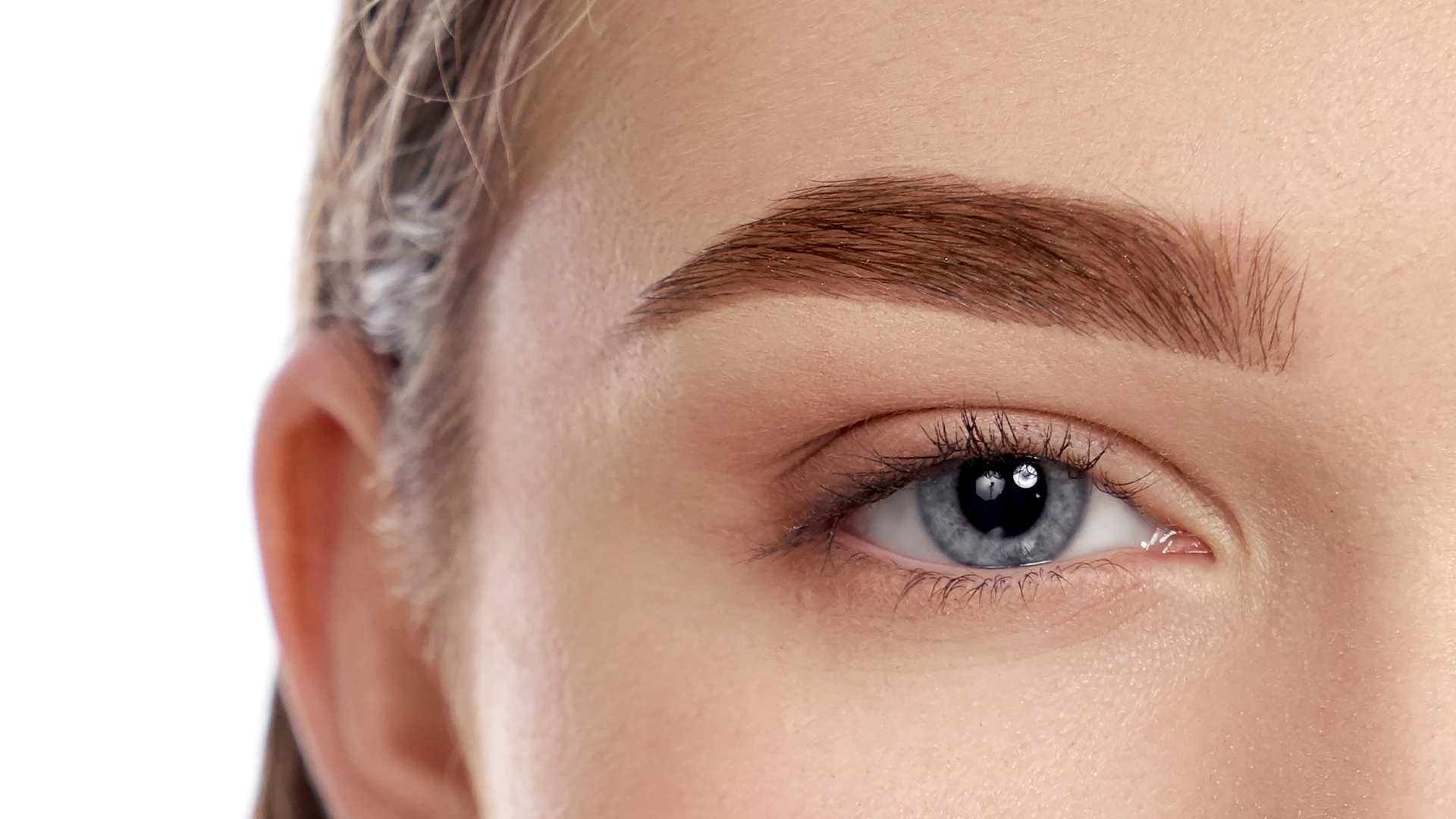
Eyebrow transplantation · Growth and follow-up
Eyebrows can look more defined immediately after transplantation, then appear less full as transplanted hairs shed. That change can be unsettling, especially when the early outline seemed close to the intended result. The hairs visible after surgery are not a reliable preview of final density: follicles need to establish, resume growth and produce enough visible hair for the result to be assessed.
The essential idea
A shed hair shaft and a lost graft are different things. Early shedding is common after eyebrow transplantation, but it cannot confirm that every follicle survived. Follow-up considers when the change happened, how the skin is healing and whether new growth develops over time.
Why the first appearance can be misleading
An FUE eyebrow transplant at Dr Ducu Clinics transfers selected follicular units from a suitable donor area into the brows. Each graft includes follicular tissue, which may produce hair if it establishes successfully. The shaft already attached to a graft is the part visible above the skin.
Those existing shafts can show the intended distribution immediately after placement. Redness, swelling and crusting may also change the appearance of the outline. A photograph at this point documents the procedure and early healing; it does not measure future growth or prove graft survival.
The International Society of Hair Restoration Surgery explains that even long-hair transplants, which allow an immediate visual preview, may shed their shafts during the following weeks. The preview and the eventual result are therefore separate observations.
The hair cycle beneath the visible brow
Hair follicles alternate between active growth, regression and rest. Release of the old shaft is a separately regulated process. These terms explain why a follicle can remain in the skin when its visible hair falls away; they are not a way to diagnose an individual graft from its appearance.
Anagen
Producing a hair
The follicle actively forms a shaft. The duration of this growth phase helps determine how long the hair can become.
Catagen
Transitioning from growth
Active growth stops and the lower portion of the follicle regresses as part of its normal cycle.
Telogen
Resting between growth phases
The follicle is not actively lengthening a new shaft. An old hair may still remain visible during this period.
Exogen
Releasing the old shaft
The hair is shed. Shaft release can overlap with other cycle stages rather than following one rigid timetable.
These biological processes are described in research on hair-follicle cycling. Surgery can disturb visible growth, and early postoperative shedding should not be attributed to one cycle stage in every patient.
Native eyebrow follicles normally have a shorter growth phase than scalp follicles. Moving scalp hair into an eyebrow does not guarantee that it will acquire the same growth rhythm or stop at the same length as native brow hair. This distinction, discussed in the clinical literature on eyebrow hair, matters when judging both growth and future grooming needs.
What early shedding can tell you
Published FUE eyebrow-transplant literature describes transplanted hairs shedding before regrowth becomes apparent. Losing a visible shaft during this period does not, by itself, demonstrate that the follicle has been lost.
However, shedding is not proof of successful healing either. A hair coming away after rubbing, picking a crust or an injury needs a different assessment from uncomplicated shedding several weeks after surgery. Contact the treating team if a change follows trauma, bleeding or worsening skin symptoms. A photograph of a fallen hair cannot reliably settle whether a graft remains viable.
Avoid pulling hairs to check how firmly they are attached or removing crusts to inspect the skin underneath. Use the cleansing and protection instructions supplied for your procedure. The absence of visible hair is not a reason to start a new product or increase manipulation of the brow.
Why density builds gradually
New hairs do not necessarily emerge together. Some follicles may produce visible shafts while neighbouring sites still appear empty. Clinical descriptions of eyebrow restoration report growth developing across several months rather than in one simultaneous change.
Dr Ducu Clinics advises that new growth may begin at approximately three to four months, with maturation taking around nine to twelve months or longer. These are indicative ranges. They do not establish how many grafts will grow by a particular month or how full either eyebrow will ultimately look.
More visible growth is only part of the change
As the number and length of visible hairs change, their overlap can alter the impression of coverage. Calibre, curl, direction, remaining native hairs and the original recipient area also affect apparent density. A brow can look fuller without that photograph providing a precise count of surviving grafts.
The two brows may not look equally developed at every appointment. Differences in early growth should be recorded and reviewed, but cannot predict final symmetry on their own. Equally, an established gap should not be dismissed indefinitely as a growth-cycle issue. Timing and examination matter.
How changes are interpreted at follow-up
The useful question is not simply whether an eyebrow looks sparse today. It is what has changed since the last review, at what point after surgery, and whether the change is accompanied by skin symptoms.
| Observation | What it may reflect | What the review should consider |
|---|---|---|
| Less definition after the first weeks | Shedding of shafts previously outlining the brow. | Timing, skin healing and any associated symptoms. |
| Scattered hairs during early regrowth | Follicles producing visible growth at different times. | Progress across appointments rather than one image. |
| A gap that remains later | Delayed or inadequate growth, or a limitation of coverage. | Elapsed time, examination and the original graft distribution. |
| A fuller appearance after styling | Changes in shaft position, length or cosmetic concealment. | Comparable photographs without changing presentation. |
| New loss after growth was established | Cycling, hair removal or an underlying hair-loss condition. | A fresh assessment, particularly for progressive loss or inflammation. |
For a useful record, take photographs under similar lighting, with the same camera distance and a relaxed facial expression. Note whether the hairs were trimmed, brushed or covered with makeup. Bring the dates and any symptoms to follow-up. This helps communicate change; it does not replace examination.
What established growth means for maintenance
A mature transplant is not a set of hairs that remains frozen at one length. Scalp-derived hairs may continue to lengthen and require trimming once the clinician confirms grooming is appropriate. The ISHRS eyebrow-restoration guidance includes trimming and grooming among the ongoing considerations.
Trimming shortens an existing shaft; it does not create additional follicles or increase graft survival. Grooming can change visible coverage, so a freshly trimmed brow may photograph differently from the same brow with longer overlapping hairs. Discuss a suitable routine rather than copying another patient’s trimming frequency.
Some transplanted hairs may need help to lie with the surrounding brow, but styling cannot reliably correct every direction problem. If length is manageable yet certain hairs consistently project away from the skin, raise that separately from density. Our eyebrow anatomy and graft-direction article explains that distinction.
When to seek advice or discuss further treatment
Eyebrow transplantation can cause infection, bleeding, scarring, inflamed follicles, cysts, poor growth or an unsatisfactory hair pattern. Grafts may fail to establish, and a result can remain sparse or uneven. The systematic review of eyebrow and eyelash transplantation includes varied techniques and many small studies; reported outcomes cannot guarantee an individual result.
Growth takes time; worsening symptoms need advice now
Contact the treating team promptly for increasing pain, spreading redness, pus, fever, persistent bleeding or worsening swelling. Seek urgent medical assessment for severe eye pain or changes in vision. Do not wait for a routine density review when these symptoms occur.
If growth remains below expectations, the clinician should reassess the recipient skin, donor characteristics, procedure records and cause of the original eyebrow loss. Transplantation does not remove the possibility of an underlying condition affecting transplanted or native hairs later.
A further session may be considered once the result is sufficiently developed to identify what it could reasonably improve. It is a new surgical decision with additional risks, rather than an automatic response to early sparseness. Observation, management of a diagnosed condition, cosmetic camouflage or no further procedure may also be appropriate. GMC guidance supports discussing limitations and allowing time to decide.
Frequently asked questions
Why did my brows look fuller just after surgery than several weeks later?
Does a hair on a tissue mean its graft has fallen out?
Can new hairs appear while other transplanted hairs are still shedding?
Is four months a deadline for every graft to become visible?
Can trimming make a developing brow look less dense?
Should a gap still be reviewed if the rest of the eyebrow is growing?
Is shedding years later always part of the original recovery?
Individual assessment
Plan for growth, follow-up and ongoing grooming
A consultation can explain the expected stages, achievable density and maintenance involved. Mention any previous eyebrow transplant when arranging your appointment.
Medical and regulatory sources consulted
- Dr Ducu Clinics — Eyebrow Transplant
- ISHRS — Shaven and Un-Shaven Hair Transplant Terminology
- Modelling Human Hair Follicles — Lessons from Animal Models and Beyond
- Integrative and Mechanistic Approach to the Hair Growth Cycle and Hair Loss
- Eyebrow and Eyelash Alopecia: A Clinical Review
- The Science and Art of Eyebrow Transplantation by Follicular Unit Extraction
- Hair Transplant for Eyebrow Restoration
- Eyebrow and Eyelash Hair Transplantation: A Systematic Review
- ISHRS — Eyebrow and Eyelash Hair Restoration Surgery
- NHS — Eye pain and urgent symptoms
- GMC — Cosmetic interventions guidance
- ASA/CAP — Section 12: health-related advertising and cosmetic interventions
Medical note: This article provides general information for adults considering or reviewing eyebrow transplantation. It cannot determine whether a particular graft survived or explain individual shedding without examination. Recovery, growth and cosmetic outcomes vary. Follow the treating clinician’s advice and seek assessment for unexpected changes.