
 English
 Spanish
 Arabic
 Chinese
 French
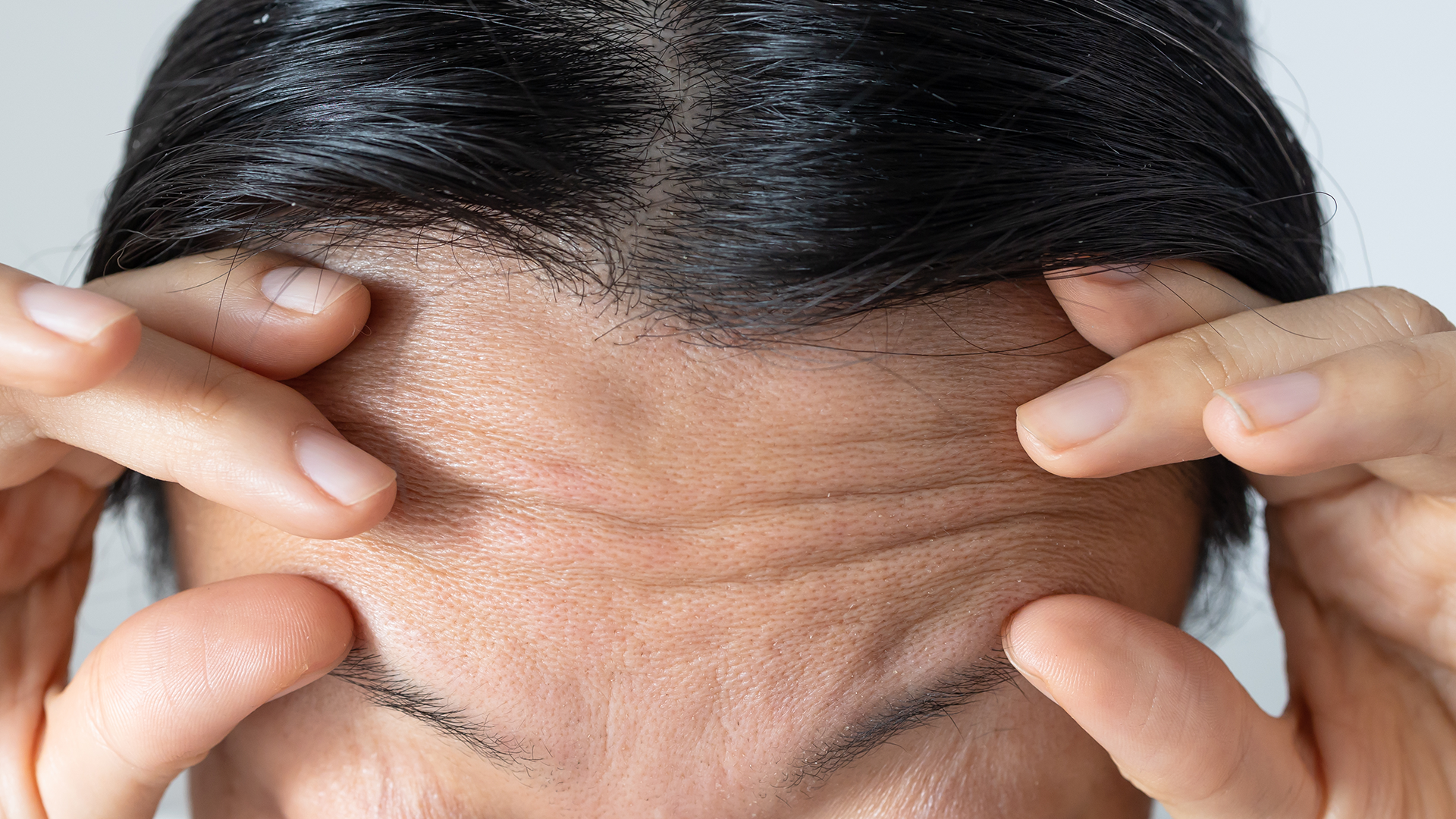
FUE hairline lowering · Understanding results
After FUE hairline lowering, the first visible change may be the shape of the frontal border. Fullness takes longer to assess. How much coverage develops depends on the hairs within each graft, their thickness and texture, the area treated and how successfully the transplanted follicles grow. This is why another patient’s photographs or graft number cannot predict an individual result.
The essential idea
A hairline can sit lower without looking as full as expected. Position, growth and visible coverage need to be assessed together. Follow-up should establish how the result is developing, whether the surrounding hair has changed and how the appearance compares with the plan agreed before surgery.
Four different measures of a hairline result
At Dr Ducu Clinics, FUE hairline lowering involves moving follicular units from a suitable donor scalp into the frontal area. As these hairs grow, they may create the appearance of a lower or reshaped hairline. The procedure does not remove forehead skin. To understand its outcome, it helps to separate four aspects of the result.
Position
Where the border sits
The apparent height and outline describe the location of the new hairline, rather than its fullness.
Placement
Grafts within an area
Implanted graft density describes distribution. A total count does not show how widely grafts were spread.
Growth
Hair produced afterwards
The hairs that emerge reflect graft establishment and growth. A graft may contain more than one hair follicle.
Appearance
How much scalp is visible
Visual coverage also depends on shaft thickness, curl, contrast, length and the way hair lies.
A well-positioned line can still have limited coverage, while plentiful growth can look less convincing if the hairs point in an unexpected direction. The assessment therefore needs to consider the whole frontal area, including how the new hair blends with the hair behind it. Donor selection, direction, density and follicle survival all contribute to appearance.
Why equal graft counts can look different
A graft is not necessarily a single hair. Follicular units may contain one or several hairs, so two procedures with the same graft count may transfer different total numbers of hairs. The area covered also matters: spreading those grafts over a broader frontal region changes the density within each part of it.
| Variable | Why appearance can differ |
|---|---|
| Recipient area | The same count distributed over a larger area gives fewer grafts per unit of area. |
| Hairs per graft | Different mixtures of single- and multi-hair units produce different total hair numbers. |
| Shaft thickness and texture | Coarser, wavy or curly hair can provide different coverage from fine, straight hair. |
| Hair-to-scalp contrast | Greater colour contrast can make spaces between hairs more noticeable. |
| Length and direction | Hair that overlaps neighbouring shafts conceals scalp differently from short or upright hair. |
Fine hair may leave more scalp visible than coarser hair at a similar measured density. Curl, colour contrast and overlapping shafts can also change the impression of fullness. Magnified scalp assessment helps the clinician examine these characteristics and distinguish the number of hairs from the number of follicular units.
The leading edge and the area behind it serve different visual purposes. The front needs a believable transition; the hair behind it contributes to coverage. Assessing every part against a single density expectation can miss that distinction. Our hairline-design guide explains how the outline, direction and donor supply influence planning.
What affects whether transplanted grafts establish
A transplanted follicle must remain viable through extraction, handling and placement, then establish in the recipient scalp. Damage to the graft, drying and conditions while it is outside the body can affect this process. Careful graft handling and preservation matter, but they do not make individual growth predictable with certainty.
The condition of the recipient scalp matters too. Scarring, inflammation or impaired healing can affect growth. Placing grafts more closely together is not automatically a better approach: the density must be appropriate for the tissue and its blood supply. Poor growth and tissue injury are among the risks described in the clinical literature on FUE complications.
Aftercare supports recovery, but it cannot guarantee that every graft grows. Follow the treating clinician’s instructions for cleansing, protection and activity; avoid adding products or changing prescribed treatment to imitate another patient’s routine. An unsatisfactory outcome deserves assessment rather than an assumption that the patient caused it.
Healing and growth run on different clocks
Visible wound recovery happens before the cosmetic result can be judged. Transplanted shafts often shed during the following weeks; this alone does not establish graft failure. The NHS hair-transplant guide describes new hair usually appearing around four months and full results at approximately 10–18 months. It also stresses protecting grafts during the first two weeks.
Dr Ducu Clinics describes density assessment at approximately 9–12 months or later. The NHS gives a broader 10–18-month range for the full result. These are indicative timelines, and the clinic’s earlier assessment window should not be read as a guarantee that growth or appearance will be complete by twelve months.
A review soon after surgery may focus on healing, while a later appointment can examine emerging growth and coverage. Ask when your clinician expects the result to be sufficiently developed for a meaningful density assessment. You can raise concerns before that point; waiting for growth does not mean postponing advice about symptoms.
How to compare progress without misleading yourself
Hair may look fuller in a softly lit photograph than under a bright overhead light. A longer style can overlap the scalp differently from a recent haircut, and wet hair can expose spaces that are less apparent when dry. Keeping the conditions consistent makes a progress series easier to interpret. Standardised photography is also used in clinical hair assessment.
Keep lighting consistent
Use similar light and exposure. Strong overhead light can reveal scalp that softer light conceals.
Match the view
Keep camera distance, head position and frontal or oblique angle comparable. Avoid relying on one flattering view.
Record hair presentation
Note length, styling, wet or dry hair and any concealing fibres. Do not compare concealed coverage with untreated presentation.
Label the interval
Include the date and time since surgery. Review the series alongside the original plan rather than treating one image as decisive.
These are practical comparison principles, not a home test of graft survival. Photographs cannot reliably distinguish every cause of reduced coverage. Advertising images should also represent genuine results without enhancing the treated area, as explained in ASA/CAP guidance.
When density remains below expectations
Describe exactly what concerns you at follow-up. Is the new border difficult to see? Are there gaps within the treated area? Does the hair grow in a direction that makes styling difficult? Has the area behind the new line become thinner? Each observation can lead to a different assessment. The clinician can compare examination findings with the original plan, procedure records and dated photographs.
Transplanted hair and the original hair around it should be considered separately. Ongoing loss of non-transplanted hair can reduce overall fullness even when the grafts have grown. Examination can help establish whether the concern relates to transplanted growth, changes in surrounding hair or a combination of factors.
Further surgery needs a fresh decision
A second procedure may be considered when an established result leaves a concern that further transplantation could reasonably address. Before that decision, the clinician must reassess the recipient scalp and the remaining donor supply. Extra grafts use a finite resource and bring additional surgical risks. Depending on the findings, the recommendation may instead be further observation, assessment of ongoing hair loss, cosmetic camouflage or no additional procedure.
Before any revision, ask what is expected to improve, what may remain unchanged, who provides follow-up and how costs and complications are handled. GMC guidance requires a discussion of limitations and adverse outcomes, with time for a voluntary, informed decision. A review does not oblige someone to undergo another procedure.
Problems that should not wait for a growth review
FUE is surgery. Possible adverse outcomes include bleeding, infection, a reaction to anaesthetic, scarring, altered sensation, inflamed follicles, donor thinning, poor growth and an unsatisfactory appearance. Rare tissue injury can have lasting consequences. Growth uncertainty should never be used to dismiss worsening scalp symptoms.
Seek prompt clinical advice for worsening symptoms
Contact the treating clinic promptly for increasing pain, spreading redness, pus, fever, persistent bleeding or darkening or breakdown of scalp skin. Seek urgent medical help if symptoms are severe or you feel acutely unwell. Do not wait for the next routine photograph or density appointment.
Before treatment, obtain clear aftercare and urgent-contact arrangements. For surgery in England, check the provider’s CQC registration and the doctor’s GMC registration, as advised by the NHS. Registration does not predict an individual cosmetic result.
Frequently asked questions
Can a graft count predict how dense my hairline will look?
Does visible scalp under strong light prove poor growth?
Can a selfie show the percentage of grafts that survived?
Why can the outline improve before fullness is convincing?
Should revision be booked as soon as early photographs look sparse?
What information helps at a results appointment?
Individual assessment
Understand the coverage your hairline may achieve
Discuss the proposed frontal area, hair characteristics, growth timeline and limits of density at consultation. If you have already had a transplant, mention the procedure and your concerns when arranging an appointment.
Medical and regulatory sources consulted
- Dr Ducu Clinics — FUE Hair Transplant for Hairline Lowering
- NHS — Hair transplant
- Evaluation Indicators of Aesthetic Effects on Hair Transplantation
- Hair Transplant with Strip Harvest: Indications, Contraindications, and Technique
- Trichoscopy for the Hair Transplant Surgeon — Preoperative Donor Assessment
- Direct Hair Transplantation: A Modified Follicular Unit Extraction Technique
- Complications in follicular unit excision hair transplantation: current evidence and practical approaches
- Standardization and Validation of Scalp Surface Area Measurement and Total Hair Count Assessment
- GMC — Cosmetic interventions: consent, expectations and time for reflection
- CAP Code — Section 12: health-related advertising and cosmetic interventions
- ASA/CAP — Cosmetic interventions, photographs and advertising restrictions
Medical note: This information is intended for adults considering or reviewing FUE hairline lowering. It does not diagnose poor growth or replace examination, individual aftercare or informed consent. Suitability, graft survival, recovery and appearance vary. The treating clinician’s advice takes priority.