
 English
 Spanish
 Arabic
 Chinese
 French
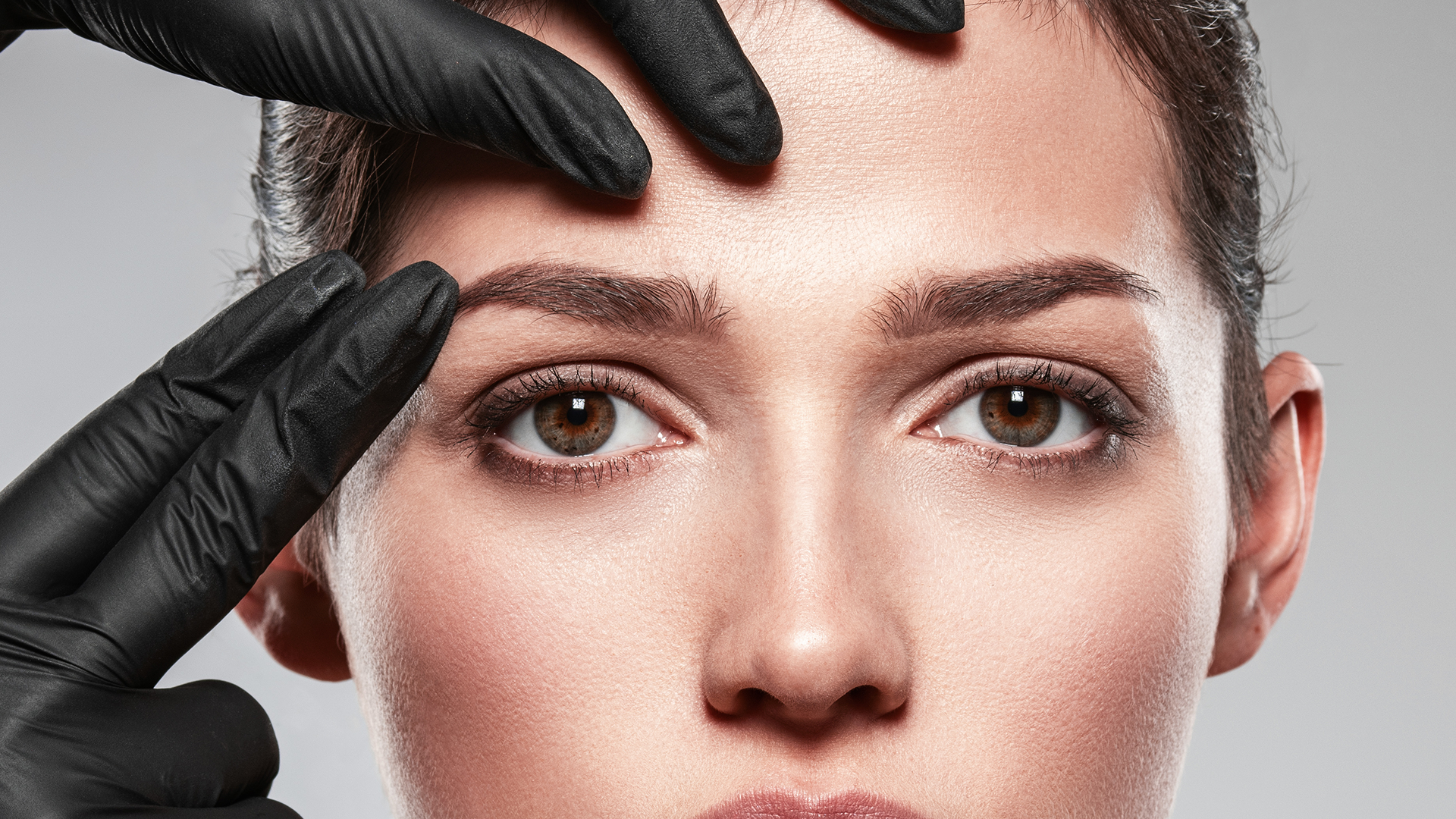
Returning to work after an eyebrow transplant
Eyebrows sit at the centre of the face, so even small healing changes are noticed in conversation, on video calls and in photographs. For many people considering an eyebrow transplant, the practical question is how the brows will look in the first days and when they can return to work without feeling self-conscious. This guide explains what is usually visible in the early healing stage, why it differs between patients and how different types of work affect the timing.
The essential idea
An eyebrow transplant is small in area but highly visible. Some patients return to non-strenuous work within a few days to one week, but tiny crusts in the brow, swelling around the eyes and restrictions on brow make-up all influence when a person feels ready. The donor area and the demands of the job also play a part.
What the brows usually look like at first
In an FUE eyebrow transplant, individual hairs are taken from a donor area, usually the back or sides of the scalp, and placed one by one into the brow at a carefully planned angle. Immediately afterwards, each graft sits in a very small opening in the skin.
- The first few days: small crusts usually form around the grafts. Because brow grafts are placed close together and at a shallow angle, these crusts can look like fine dark dots along the brow.
- Swelling: some patients develop swelling of the upper eyelids or the area around the eyes, often a day or two after treatment. Bruising is possible. This can be more noticeable to others than the grafts themselves.
- Hair shafts: transplanted hairs may initially look slightly longer or more prominent than the surrounding brow hair, which some patients find surprising.
- Usually within the first one to two weeks: crusts separate with the cleaning routine advised by the clinic and swelling settles, although some redness can persist for longer in fair skin.
Later changes, including shedding and the gradual return of growth, follow a different timescale. They are explained in our article on eyebrow transplant results and growth cycles and are not the focus here.
Why some people feel ready sooner than others
The time before a person feels comfortable at work depends on several individual factors:
- Whether the treatment fills gaps or creates a new brow shape: adding a small number of grafts within an existing brow is often easier to disguise than building a brow where little hair remains.
- Existing brow hair: surrounding natural hairs can partly soften the appearance of crusts once they begin to settle.
- Skin tone and tendency to swell: redness and swelling around the eyes vary considerably between people.
- The donor area: brow transplants usually need far fewer grafts than scalp procedures, so the donor area is often small, but its visibility depends on how the hair is cut and worn.
- Individual healing: not every reaction can be predicted, which is why time away should include some flexibility.
Make-up, glasses and protective eyewear
For many patients, the hardest part of the early period is not the crusts but being unable to use their usual brow products. Brow pencils, powders, gels, tints and similar products are usually avoided on the treated area until the clinic confirms that the skin has healed sufficiently. Brow treatments such as threading, waxing, tinting, lamination and semi-permanent make-up also need to be discussed before they are resumed.
It is worth checking with the treating team whether make-up can be used on other parts of the face during the early period and how to remove it without disturbing the brows.
- Glasses: ordinary glasses usually do not touch the brows, but heavy or oversized frames that sit high on the face may rub. Mention this at consultation if relevant.
- Safety goggles, visors and masks: protective equipment that presses on or seals against the brow area, as used in laboratories, healthcare, construction and some manufacturing roles, needs specific advice before returning to work.
- Swimming goggles: for those who swim for work or exercise, goggles are usually avoided until the clinic advises otherwise.
How different jobs affect the timing
- Remote or desk-based work: many patients find working from home in the first days manageable, with the camera off or angled as they prefer, provided they follow aftercare and avoid touching the brows.
- Customer-facing, beauty and presenting roles: people who are seen at close range, photographed or filmed, or who work in beauty and appearance-focused sectors, often prefer to wait until crusts have separated and any swelling has settled.
- Physically demanding work: strenuous activity, heavy lifting and work that causes heavy sweating are usually limited in the early period, because sweat and rubbing can irritate the healing brow.
- Dusty or hot environments: kitchens, workshops and similar settings expose the brow to heat, sweat and contamination, and usually require a more cautious return.
Sleeping position also matters in the first nights, because lying face down or on the side can press the brow into the pillow. Practical advice on positioning is part of the aftercare discussion.
Practical planning for late autumn and winter
Winter can be a practical time for treatment because sun exposure is lower and many people already take time off around the holiday period. Even so, a few points are worth considering:
- Leave the end of the period flexible: plan leave or remote working with a few spare days rather than a fixed return date.
- Cold, wind and rain: follow the clinic’s instructions on protecting the brows outdoors and on whether hats or hoods may be worn, as tight headwear that sits low on the forehead can rub.
- Dry indoor heating: long days in heated offices can make the skin feel dry; use only the products recommended by the clinic on the treated area.
- Important events: avoid booking photographs, interviews or presentations in the first weeks.
Symptoms to report promptly
Contact the clinic promptly, whether or not you have returned to work, if you notice:
- pain, redness or warmth that is increasing or spreading;
- pus, an unpleasant smell or bleeding that does not stop with gentle pressure;
- fever or feeling generally unwell;
- swelling that keeps increasing after the first few days;
- eye pain, a red eye, or any change in vision, which should be assessed urgently.
If the clinic cannot be reached and symptoms are severe, use urgent NHS services.
Each procedure affects the working day in a different way. Related guides from Dr Ducu Clinics:
- Returning to work after FUE hairline lowering
- Returning to work after SkinTight™ bum cellulite treatment
- Returning to work after BBL filler removal
- How single-hair eyebrow grafts are planned
- What to expect from local anaesthesia during an eyebrow transplant
Frequently asked questions
How soon can I go back to work after an eyebrow transplant?
Will my colleagues notice the crusts?
Can I fill in my brows with make-up to cover the healing area?
Can I wear my glasses at work?
Is swelling around the eyes normal after an eyebrow transplant?
When can I return to the gym or a physical job?
Individual assessment
Discuss healing time alongside brow design
At consultation, the treating team can assess your brows and donor hair, explain what early healing may look like for you and help you plan time away from work. Outcomes and recovery vary between individuals.
Medical and regulatory sources consulted
- Dr Ducu Clinics — Eyebrow Transplant
- The Science and Art of Eyebrow Transplantation by Follicular Unit Extraction
- Hair Transplant for Eyebrow Restoration
- Eyebrow and Eyelash Hair Transplantation: A Systematic Review
- ISHRS — Eyebrow and Eyelash Hair Restoration Surgery
- NHS — Eye pain and urgent symptoms
- GMC — Cosmetic interventions: consent, expectations and time for reflection
- CAP Code — Section 12: health-related advertising and cosmetic interventions
- MHRA — Yellow Card scheme
Medical note: This article provides general information for adults considering or recovering from an FUE eyebrow transplant. It does not replace the individual aftercare instructions given by the treating team and cannot confirm when a particular person will be able to return to work. Healing, visible changes and results vary between individuals and cannot be guaranteed.