
 English
 Spanish
 Arabic
 Chinese
 French
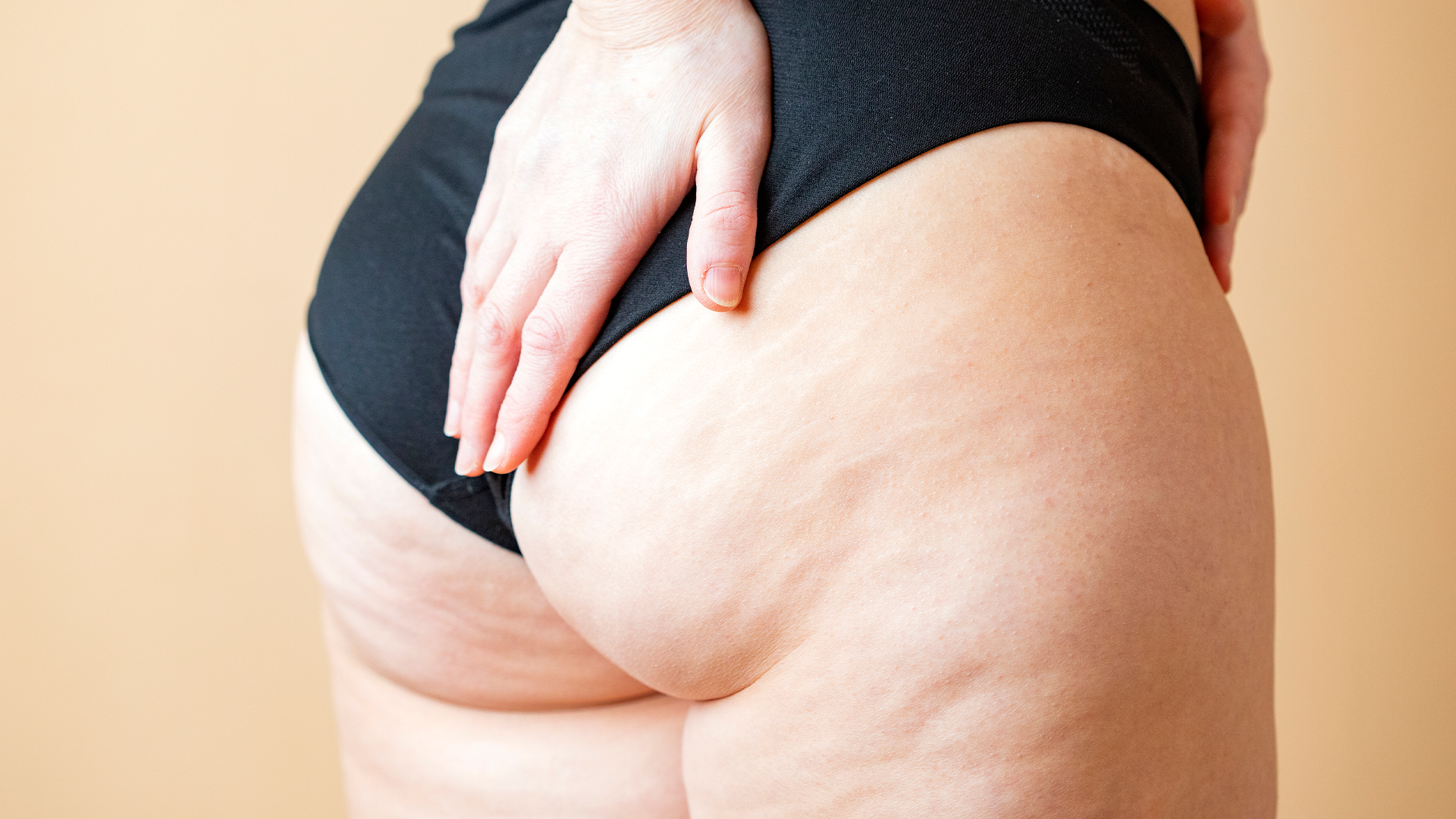
Returning to work after SkinTight™ bum cellulite treatment
Unlike treatments on the face, SkinTight™ bum cellulite treatment is usually hidden by clothing, so the question of returning to work is less about how the area looks and more about how it feels: sitting at a desk, standing for a shift, driving or commuting. Because the treatment plan is built from different components and can cover a smaller or larger area, recovery is not the same for everyone. This article explains where downtime comes from and how to plan around it.
The essential idea
Downtime follows the treatment plan, not the treatment name. Many patients are able to return to work within a day or two, but the size of the area, the number of dimples released, the combination of techniques used and the physical demands of the job all affect how comfortable the first days feel.
Where the downtime comes from
The SkinTight™ approach to bum cellulite is planned individually and may combine several components. A specialised needle can be used to release fibrous bands beneath dimples (a technique known as subcision); collagen-stimulating products such as poly-L-lactic acid and hyaluronic acid may be used to support skin quality; and Morpheus8, a radiofrequency microneedling treatment, may be applied at the end of the procedure. Our separate article, SkinTight™ bum cellulite and anatomy, explains the structure beneath cellulite and why the plan differs between people.
Each component tends to produce a different kind of short-term effect:
- Releasing fibrous bands: because the needle works beneath the skin, bruising, tenderness and swelling over the released areas are common in the first days. Bruising may persist for longer in some people.
- Injected products: injections can cause temporary tenderness, swelling or small bruises at the injection points.
- Radiofrequency microneedling: the skin surface may be red, warm and slightly rough, with small temporary marks for a few days.
When several components are combined in one session, these effects overlap. This is one reason why two patients who have the “same” treatment may describe very different recovery experiences.
Why the size and location of the area matter
Cellulite can be limited to a few dimples on the lower buttock or extend across both buttocks and into the upper thighs. The treatment plan reflects this:
- A smaller, targeted area usually means less bruising overall and fewer tender points when sitting.
- A larger area or many released dimples may mean more widespread bruising and tenderness, particularly over the parts of the buttock that take weight when seated.
- Skin quality and tissue thickness influence which components are needed and how intensive the treatment is, which in turn affects the short-term reaction.
- Treatment in stages: some patients need more than one session. Each session has its own short recovery period, which is worth considering when planning leave across several months.
Sitting, standing and the working day
For most office workers, the main practical issue is sitting. Tenderness over the treated area can make long periods in a chair uncomfortable for the first days. Helpful approaches include:
- taking regular short breaks to stand and walk, rather than sitting for hours at a time;
- using a supportive chair and avoiding hard seats where possible;
- planning lighter meetings, or working from home, for the first day or two if the diary allows.
Jobs that involve standing for long periods are sometimes more comfortable in the early days than desk work, but roles that involve heavy lifting, repeated squatting or intense physical exertion need more care, because strenuous activity is usually avoided for at least the first 48 hours to help minimise swelling.
Driving and long commutes are also worth considering. A long journey seated on the treated area may feel uncomfortable at first, and some patients prefer to avoid driving immediately after treatment.
Compression garments and work clothing
A compression garment may be advised for one to three weeks to support the area and help minimise swelling. Before treatment, it is worth checking that the garment can be worn comfortably under usual work clothing:
- looser trousers, skirts or dresses are often more comfortable than tight-fitting clothes over the garment;
- uniforms or protective clothing may need a size adjustment while the garment is worn;
- a spare garment allows one to be washed while the other is worn, if this is recommended.
The treating team will explain how long the garment should be worn each day and when it can be removed.
What to avoid in the first days back
Even when a patient feels well enough to work, the aftercare instructions still apply. After treatment, patients are usually advised to avoid strenuous exercise, direct sun exposure, saunas, steam rooms and hot tubs for at least 48 hours, and not to massage or rub the treated area vigorously during this period unless the treating team specifically advises otherwise.
For people who exercise at lunchtime or after work, or whose jobs involve heat, such as kitchen work, this may mean adjusting the routine for a few days. Planning the treatment for the end of the working week gives some patients extra time to settle before returning.
When to contact the clinic
Bruising, mild swelling, redness and tenderness are expected effects for many patients. Contact the clinic promptly if you notice:
- pain that is increasing rather than settling;
- redness, heat or swelling that is spreading or worsening after the first few days;
- a firm, painful lump that is growing;
- discharge from a treatment point, or fever or feeling generally unwell;
- skin that becomes pale, dusky or blistered.
If symptoms are severe and the clinic cannot be reached, use urgent NHS services.
Each procedure affects the working day in a different way. Related guides from Dr Ducu Clinics:
- Returning to work after FUE hairline lowering
- Returning to work after an eyebrow transplant
- Returning to work after BBL filler removal
Frequently asked questions
How soon can I return to work after SkinTight™ bum cellulite treatment?
Will sitting at a desk be uncomfortable?
Will anyone be able to see that I have had treatment?
How long might bruising last?
Does every patient need the same recovery time?
If I need more than one session, will each one need time off?
Individual assessment
Plan the treatment area and the time you need
At consultation, the treating team can examine the area, explain which components may be suitable and discuss what the first days after treatment may involve for your type of work. Outcomes and recovery vary between individuals.
Medical and regulatory sources consulted
- Dr Ducu Clinics — Bum Cellulite Treatment: The SkinTight™ Procedure
- Systematic review of randomised controlled trials for cellulite treatment (2025)
- Systematic review of tissue subcision and collagenase for cellulite (2024)
- Cellulite pathophysiology and treatment review
- An anatomical approach to evaluating and treating cellulite
- Subdermal radiofrequency treatment for tightening of the upper arms
- GMC — Cosmetic interventions: consent, expectations and time for reflection
- CAP Code — Section 12: health-related advertising and cosmetic interventions
- NHS — Choosing who will do your cosmetic procedure
Medical note: This article provides general information for adults considering or recovering from SkinTight™ bum cellulite treatment. It does not replace the individual aftercare instructions given by the treating team and cannot confirm when a particular person will be able to return to work. Recovery and results vary between individuals and cannot be guaranteed.