
 English
 Spanish
 Arabic
 Chinese
 French
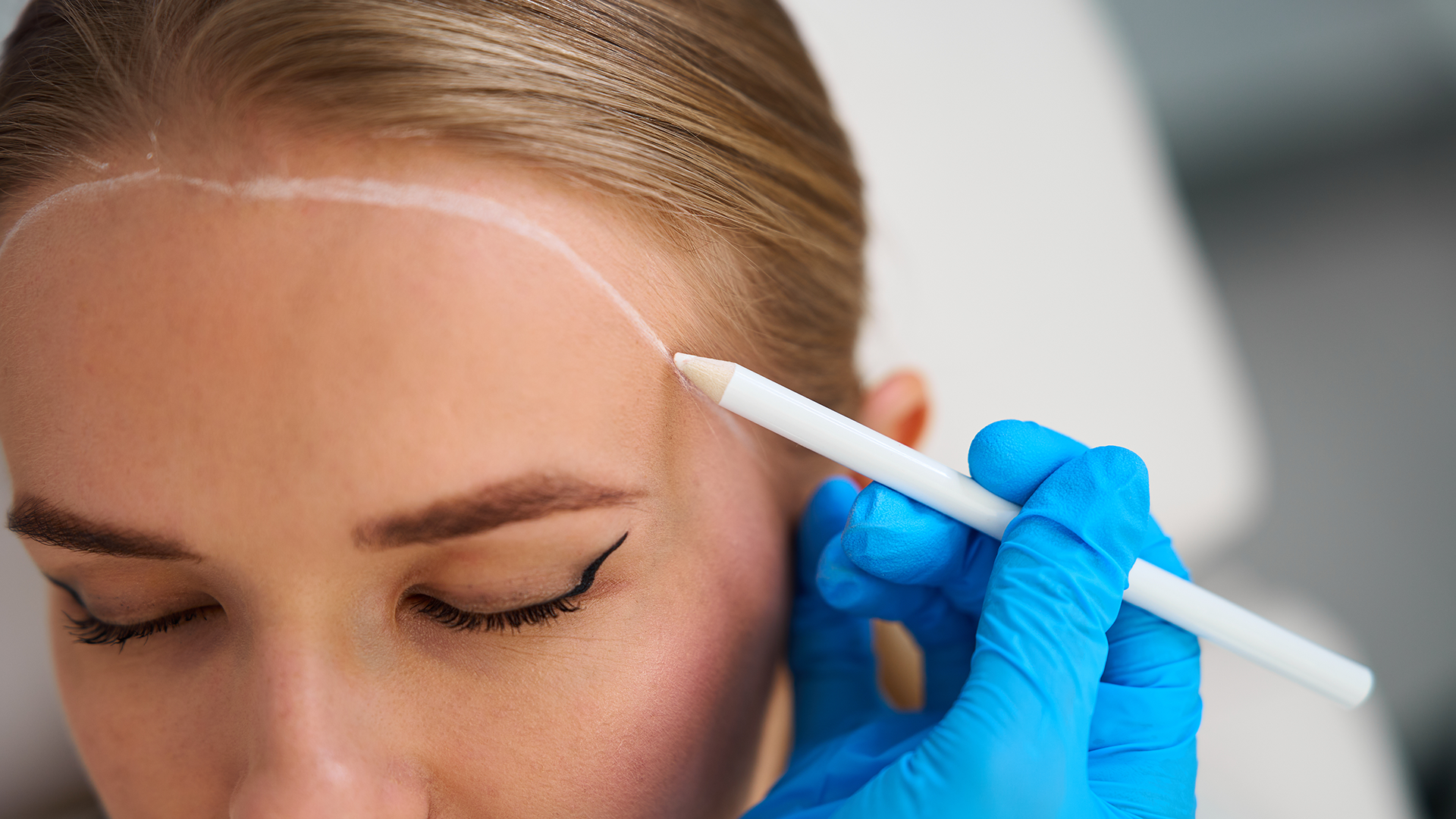
Returning to work after FUE hairline lowering
After FUE hairline lowering, the question most patients ask is not whether the grafts will grow, but when they will feel comfortable sitting in a meeting, joining a video call or travelling to work again. The answer depends less on the calendar and more on what is visible on the forehead and donor area, how the person heals and what their job involves. This guide explains what early healing usually looks like, why the timing differs between patients and how to plan time away from work realistically.
The essential idea
Return to work is a visibility and activity decision, not a fixed date. Many patients plan around one to two weeks away from work, but small crusts, redness, forehead swelling and the appearance of the donor area all change at different speeds. The type of work, the commute and how the hair is worn matter as much as the procedure itself.
What is visible in the first two weeks
Immediately after FUE hairline lowering, each implanted graft sits in a tiny opening in the skin in front of the original hairline. In the following days, small crusts usually form around the grafts. Under normal circumstances these crusts are fine and evenly spaced, but they are noticeable at close range because the new hairline lies on the most visible part of the face.
The appearance usually changes in roughly this sequence, although the timing varies between patients:
- The first few days: the recipient area may look pink, with small crusts around each graft. The donor area, usually at the back and sides of the scalp, shows small healing points where follicles were extracted.
- Around days two to five: some patients develop swelling of the forehead, which can move downwards towards the eyebrows and, occasionally, around the eyes. This is often more noticeable than the grafts themselves.
- Towards the end of the first week and into the second: crusts gradually loosen and separate with the gentle washing routine advised by the clinic. Swelling usually settles.
- After the crusts have gone: a degree of pinkness may remain for longer, particularly in fair skin. This is usually much easier to conceal than crusts.
What happens to the hair shafts and growth after this point is a separate process, explained in our article on FUE hairline lowering results. This guide concentrates on the early, visible stage that affects returning to work.
Why the timing varies between patients
Two people who have the same procedure on the same day may feel ready for work at quite different points. The main factors are:
- The size of the treated area: a larger number of grafts or a broader hairline zone generally means more visible crusting and a greater chance of forehead swelling.
- Skin type and tone: redness tends to be more visible and to last longer in fair or reactive skin.
- Whether the donor area was shaved: a fully shaved donor area is visible from behind and from the side until the hair regrows; some patients are suitable for techniques in which existing hair can partly cover the donor area. Suitability depends on hair characteristics and the number of grafts needed, and is discussed at consultation.
- Existing hair length and style: longer hair at the front and sides may soften the appearance of the hairline area once crusts have settled, but hair should not be pressed or styled over fresh grafts against the clinic’s instructions.
- Individual healing: some people swell or redden more than others for reasons that are not always predictable.
For this reason the treating team can discuss an expected range at consultation, but cannot promise that a particular person will look “unchanged” by a particular day.
Matching the plan to the type of work
The same healing stage can be acceptable in one job and impractical in another. It helps to think about the work honestly before choosing a treatment date.
- Remote or desk-based work: some patients feel able to work from home relatively early, using an audio-only call or a camera angle they are comfortable with, provided they are resting well and following aftercare.
- Client-facing or presenting roles: people who meet clients in person, present to groups or appear on camera often prefer to wait until crusts have separated and swelling has settled, which commonly means planning towards the upper end of the usual range.
- Physical work: heavy lifting, bending, straining and work that causes heavy sweating can increase swelling and put the grafts at risk in the early period. Physically demanding jobs may need more time away than office work, and the timing should be agreed with the treating clinician.
- Helmets, hard hats and protective headwear: anything that presses or rubs on the recipient area needs specific advice before returning. This applies to cyclists and motorcyclists commuting to work as well as to construction or industrial roles.
- Dusty, dirty or hot environments: kitchens, workshops, building sites and similar settings expose the healing scalp to heat, sweat and contamination. They usually require a more cautious return.
Planning leave and the commute in a London winter
Booking treatment in late autumn or winter can be convenient because many people already plan time away around the end of the year. A few practical points make the plan more realistic:
- Plan leave before booking: arrange annual leave or remote working in advance rather than assuming a fixed return date. A little flexibility at the end of the period helps if swelling or redness takes longer to settle.
- Hats and hoods: cold, wet weather makes covering the head tempting. Whether and when a loose head covering can be worn, and what kind, should follow the clinic’s instructions, because tight hats, hoods with drawstrings and rough fabrics can rub against fresh grafts.
- Crowded transport: busy trains and buses increase the chance of the forehead being knocked. Some patients prefer to avoid peak-hour travel for the first days.
- Rain, wind and heating: getting the grafts soaked outside the washing routine, or spending long periods in hot, dry offices, may affect comfort. Practical aftercare advice covers how to protect the area.
- Diary pressure: avoid scheduling important photographs, interviews, weddings or presentations in the first weeks after treatment.
Being back at work while healing continues
Returning to work does not mean the healing period has finished. In the following weeks it remains important to follow the aftercare plan exactly as given, which commonly includes gentle washing, avoiding scratching or picking at crusts, limiting strenuous exercise for a period and protecting the area from strong sun.
Some people experience temporary numbness or altered sensation in the donor or recipient areas, and mild itching is common as crusts separate. These are worth mentioning at follow-up, but they should not be managed by rubbing, scratching or applying products that have not been recommended.
It is also worth preparing for the comments of colleagues. Patients choose very different approaches, from telling people openly to saying simply that they have had a minor procedure. There is no right answer, but deciding in advance can make the first days back less stressful.
Signs that need advice before returning
Some symptoms are not part of normal early healing and should be reported to the clinic promptly, whether or not the person has already returned to work:
- pain that is increasing rather than easing;
- redness or warmth that is spreading, or swelling that worsens after the first few days;
- pus, an unpleasant smell or bleeding that does not stop with gentle pressure;
- fever or feeling generally unwell;
- swelling around the eyes that affects vision, or any sudden change in vision.
If symptoms are severe or the clinic cannot be reached, urgent NHS services should be used. Patients can also report suspected side effects of medicines and medical devices through the MHRA Yellow Card scheme.
Each procedure affects the working day in a different way. Related guides from Dr Ducu Clinics:
- Returning to work after an eyebrow transplant
- Returning to work after SkinTight™ bum cellulite treatment
- Returning to work after BBL filler removal
- What patients may feel during FUE hairline lowering under local anaesthesia
- Which medicines and supplements to disclose before FUE hairline lowering
Frequently asked questions
How long do most people take off work after FUE hairline lowering?
Can I work from home the day after treatment?
Will people be able to tell I have had a procedure?
Can I wear a hat or cap to work?
When can I return to a physical or manual job?
Is the forehead swelling a sign that something has gone wrong?
Individual assessment
Plan treatment around your work, not just your diary
At consultation, the treating team can discuss the likely extent of the procedure, how the donor area may look and what a realistic time away from work could be for your job. Outcomes and recovery vary between individuals.
Medical and regulatory sources consulted
- Dr Ducu Clinics — FUE Hair Transplant for Hairline Lowering
- NHS — Hair transplant
- Complications of Hair Transplant Procedures — Causes and Management
- Comprehensive Prevention for Edema after Hair Transplantation: A Multicenter Study of 1167 Patients
- Complications in follicular unit excision hair transplantation: current evidence and practical approaches
- ISHRS — Shaven and Un-Shaven Hair Transplant Terminology
- GMC — Cosmetic interventions: consent, expectations and time for reflection
- CAP Code — Section 12: health-related advertising and cosmetic interventions
- MHRA — Yellow Card scheme
Medical note: This article provides general information for adults considering or recovering from FUE hairline lowering. It does not replace the individual aftercare instructions given by the treating team, and it cannot confirm when a particular person will be able to return to work. Recovery, visible healing and results vary between individuals and cannot be guaranteed.