
 English
 Spanish
 Arabic
 Chinese
 French
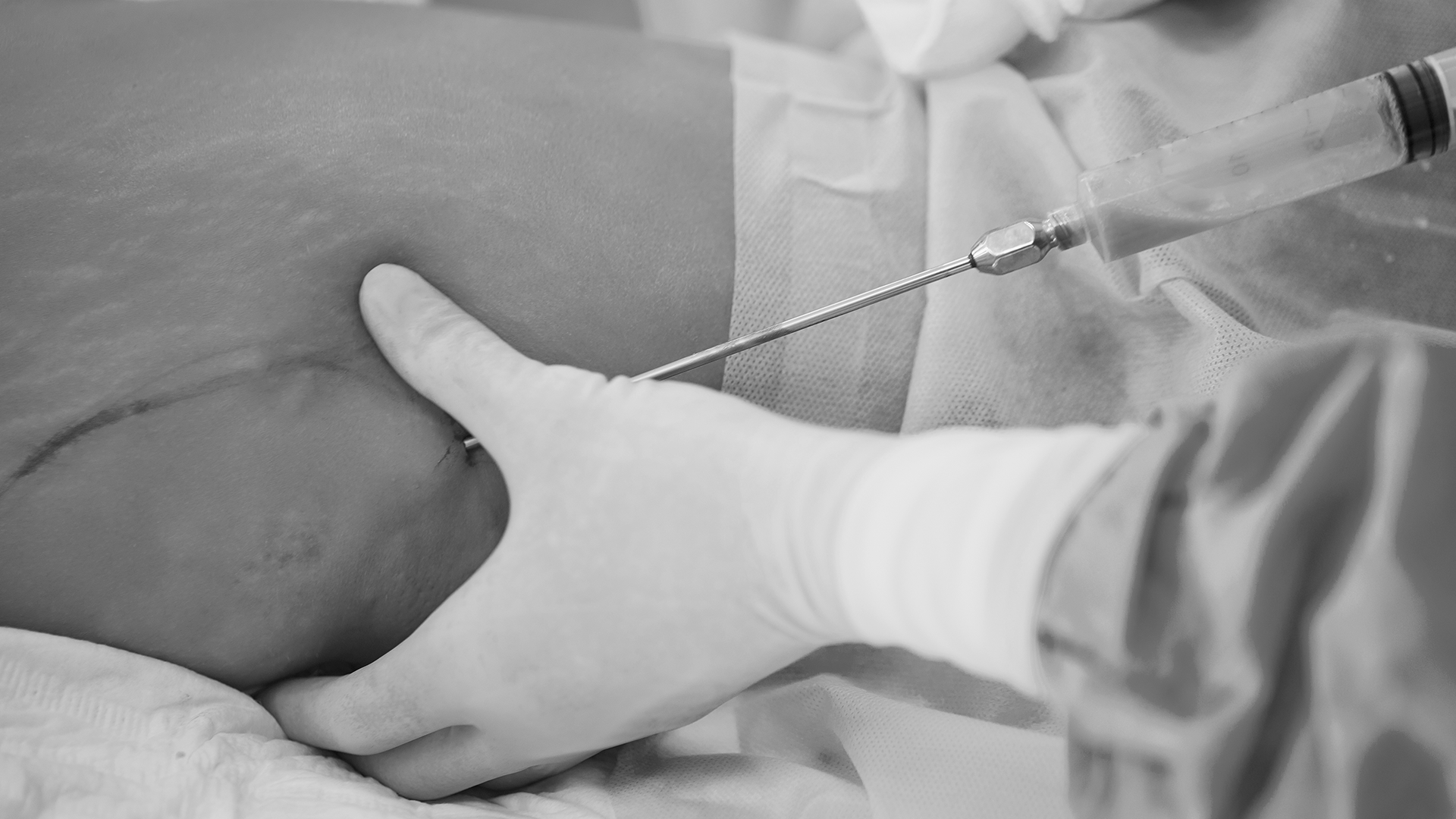
Returning to work after BBL filler removal
“BBL filler removal” describes a goal rather than a single procedure. Depending on the product, its location and the condition of the surrounding tissue, treatment may involve dissolving injections, staged sessions, treatment of inflammation or infection first, or referral for surgical assessment. Each route has a different effect on how quickly someone can return to work. This article explains why downtime cannot be stated in advance for everyone and how to plan around the uncertainty.
The essential idea
The method determines the downtime. Dissolving hyaluronic acid filler with an enzyme usually involves temporary swelling, tenderness or bruising, whereas fillers that cannot be dissolved may need a completely different pathway. The volume treated, the number of sessions and the individual tissue response all change the picture.
Different routes, different recovery
The first step is identifying, as far as possible, what was injected and where it sits. This is described in our article on what happens at a BBL filler removal consultation, and the way findings are turned into a plan is explained in how BBL filler removal is planned. From a work perspective, the main routes differ as follows:
- Dissolving hyaluronic acid filler: a prescription-only dissolving enzyme is injected into the filler to break it down, and the effect is often visible within 24 to 48 hours. Temporary swelling, tenderness and bruising may follow. Many patients find this route the least disruptive to work, but it may need more than one session.
- Treating inflammation or infection first: when the tissue is inflamed or infected, this may need to be addressed before any removal is attempted. The person may feel unwell for reasons unrelated to the removal itself, and work plans need to reflect that.
- Fillers that cannot be dissolved: some products do not respond to enzymes. These cases may require observation or referral for surgical assessment, and any surgical treatment carries its own, usually longer, recovery period, which is explained by the surgical team.
Why individual response matters
Even with the same method, recovery can differ substantially between people. Factors include:
- The volume and spread of filler: large or widely distributed deposits may require more product, more injection points or staged sessions.
- Depth and location: filler in different tissue planes of the buttock behaves differently, which ultrasound assessment can help to clarify where indicated.
- The state of the tissue: previous lumps, inflammation, delayed reactions or scarring can make the area more tender and slower to settle.
- Reaction to the enzyme: the dissolving enzyme can occasionally cause allergic reactions, which is one reason patients are observed after injection and why previous allergies must be disclosed.
- Change in shape: as filler is broken down, the contour can change quickly, and swelling can temporarily make the result difficult to judge.
Matching recovery to the type of work
- Desk-based work: sitting on a tender, swollen area can be uncomfortable for the first days. Regular breaks to stand and walk and a supportive chair often help. Working from home initially may be easier when the diary allows.
- Physical work: heavy lifting, repeated squatting and strenuous exertion may increase swelling and discomfort. The timing for returning to physically demanding work should be agreed with the treating clinician, particularly after more extensive treatment.
- Uniforms and fitted clothing: as the contour changes, fitted uniforms or clothing may feel different. Looser clothing is usually more comfortable while swelling settles.
- Work involving long journeys: prolonged sitting while driving or travelling may feel uncomfortable at first.
Travelling to London for treatment
Many people seeking BBL filler removal had the original injections elsewhere, sometimes abroad, and some travel to London specifically for assessment. If you are travelling for treatment, it is sensible to:
- avoid planning a long flight or drive home immediately after treatment, as prolonged sitting on a tender area can be uncomfortable;
- allow time for follow-up, because a review appointment may be recommended to assess whether further sessions are needed;
- bring all available records of the original filler, including product names and any treatment received for complications;
- plan return to work with some flexibility, particularly if more than one session may be required.
When treatment is planned in stages
Staged treatment is common in filler removal, either because a large volume is involved or because the contour needs to be reassessed after each step. In practice this means:
- each session may have its own short period of swelling and tenderness;
- the gap between sessions allows the tissue to settle and the result to be assessed;
- it may be easier to schedule sessions before weekends or alongside planned leave.
Discussing the likely number of sessions at the outset helps avoid repeated, unexpected time away from work, although the exact number cannot always be predicted.
Symptoms that should not wait
Contact the clinic promptly if you notice any of the following after treatment:
- pain, redness, heat or swelling that is increasing or spreading;
- fever, chills or feeling generally unwell;
- discharge from an injection point or an area of skin that is breaking down;
- skin that becomes pale, dusky, mottled or blistered;
- hives, facial swelling, wheezing or difficulty breathing, which may indicate an allergic reaction and need emergency help (call 999).
Patients can also report suspected side effects of medicines through the MHRA Yellow Card scheme.
Each procedure affects the working day in a different way. Related guides from Dr Ducu Clinics:
- Returning to work after FUE hairline lowering
- Returning to work after an eyebrow transplant
- Returning to work after SkinTight™ bum cellulite treatment
- Which medicines and supplements to disclose before BBL filler removal
Frequently asked questions
How long will I need off work after BBL filler removal?
Can the downtime be predicted before the consultation?
How quickly does dissolving treatment take effect?
Will sitting be uncomfortable after treatment?
Can I fly home straight after treatment?
What if my filler cannot be dissolved?
Individual assessment
Understand the method before planning time off
At consultation, the treating team can review your filler history, examine the area and explain which approach may be appropriate and what it could mean for your work. Outcomes vary and complete removal cannot be guaranteed.
Medical and regulatory sources consulted
- Dr Ducu Clinics — BBL Filler Removal
- Guideline for the safe use of a prescription-only dissolving enzyme in aesthetic medicine
- A prescription-only dissolving enzyme for dermal filler complications: applications and dosage recommendations
- Ultrasonographic evaluation of cosmetic fillers: patterns and frequent complications
- Late-onset reactions after hyaluronic acid dermal fillers: consensus recommendations
- Management of a Large Quantity of Permanent Gluteal Copolyamide Fillers: Literature Review and Algorithm
- JCCP and partner bodies: Buttock augmentation and other body contouring procedures
- GMC — Cosmetic interventions: consent, expectations and time for reflection
- CAP Code — Section 12: health-related advertising and cosmetic interventions
- MHRA — Yellow Card scheme
Medical note: This article provides general information for adults with previous buttock filler treatment. It cannot identify a product, diagnose a complication or determine suitability for removal without examination, and it does not replace individual aftercare advice. Recovery varies between individuals and methods, and complete removal cannot be guaranteed.