
 English
  Spanish
  Arabic
  Chinese
  French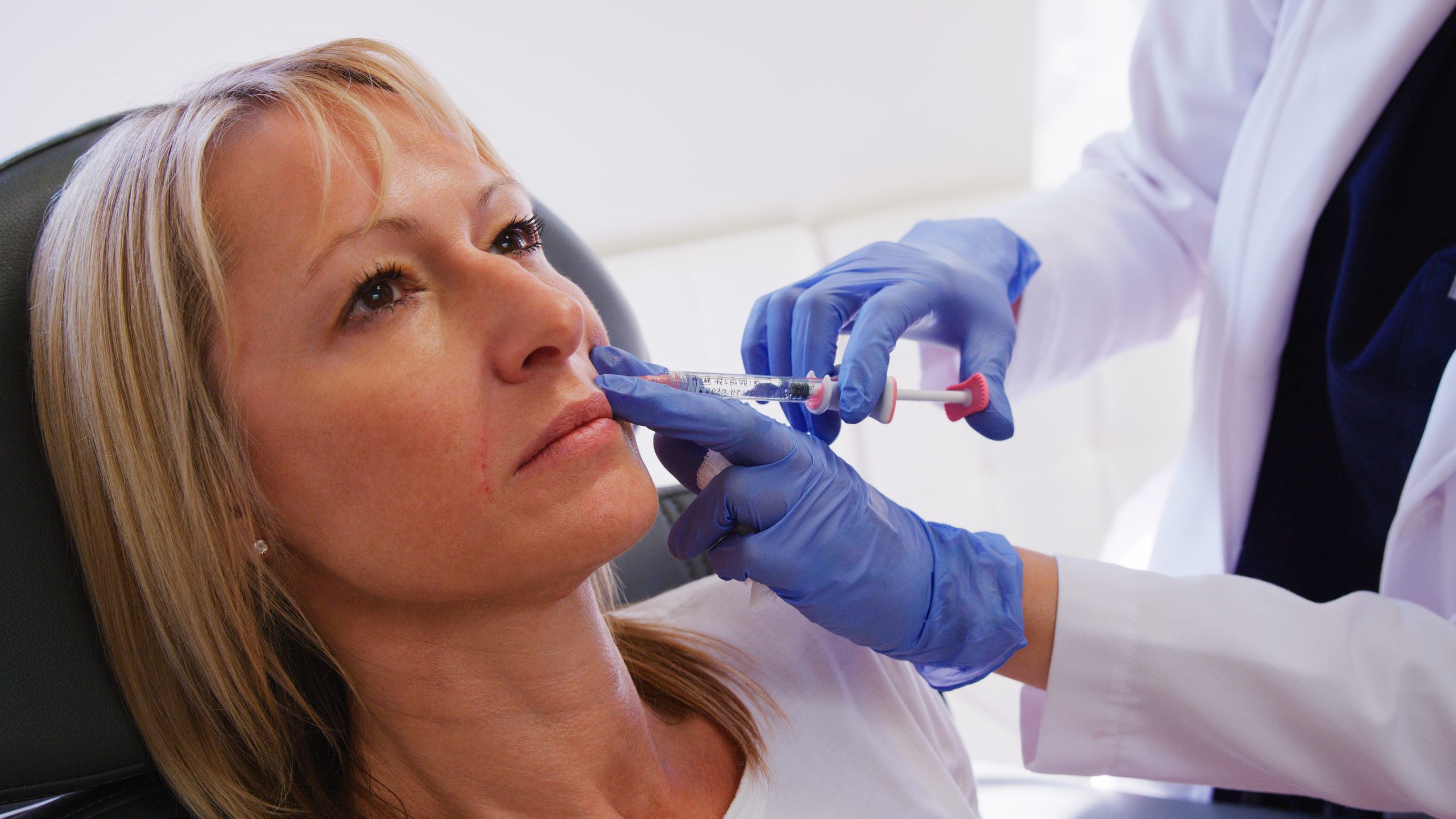
Written by Dr. Mehmet Ali Aslan
Botulinum toxin is probably the most misunderstood treatment in aesthetic medicine. Patients either think it’ll leave them looking frozen and expressionless, or they assume it’s so routine that almost anyone can administer it safely. Neither is true.
The reality is somewhere in between. It’s one of the most studied compounds in modern medicine, with decades of safety data behind it. But it’s also a treatment that demands real anatomical knowledge, clinical judgement, and an honest conversation between doctor and patient before a single injection is placed.
1. Quick Treatment Fact Sheet
| Procedure Detail | Specifications & Criteria |
|---|---|
| Procedure Duration | 15 – 30 minutes (depending on the number of areas treated) |
| Type of Anaesthetic | Not required (optional topical anaesthetic cream available) |
| Result Onset | First signs in 3-5 days; full results visible at 10-14 days |
| Duration of Results | Aesthetic: 3 – 5 months |
| Downtime / Recovery | Immediate (mild redness and small bumps settle in 20-30 mins) |
| Major Contraindications | Pregnancy, breastfeeding, neuromuscular conditions (e.g., myasthenia gravis) |
| Clinical Review | Mandatory follow-up appointment for potential top-up at 14 days |
2. The Science Behind Botulinum Toxin
Botulinum toxin is a protein produced by a bacterium called Clostridium botulinum. In nature, it’s extremely potent. In the highly purified, carefully dosed formulations used in medicine, it’s extremely safe. That distinction matters.
The way it works is actually quite elegant:
- Muscles contract because a chemical called acetylcholine carries a signal from the nerve to the muscle fibre.
- Botulinum toxin blocks that signal at the junction between the nerve and the muscle.
- With no signal, there is no contraction, and the muscle relaxes.
This effect is temporary. Over a period of months, the nerve terminal regenerates and normal function gradually returns. This reversibility is one of the things that makes it such a useful clinical tool.
- In aesthetic treatments: We use this to relax specific muscles whose repeated contractions are creating lines in the skin above them.
- In hyperhidrosis treatment: We use the same mechanism to block the nerve signals that trigger sweat glands. Different target, same principle.
Several licensed products are available in the UK, including Botox, Dysport, and Bocouture. These aren’t identical; they differ in their molecular weight, dosing units, and how they behave in tissue.
3. Anti-Wrinkle Treatment
Dynamic Versus Static Wrinkles
Before we talk about treatment, it’s worth understanding what type of wrinkles botulinum toxin actually addresses. Not all wrinkles are the same.
| Wrinkle Type | Characteristics & Causes | Response to Treatment |
|---|---|---|
| Dynamic Wrinkles | Appear when you move your face (frowning, squinting, raising eyebrows). | Responds excellently. Used early enough, it prevents them from becoming permanent. |
| Static Wrinkles | Present even when the face is at rest. Reflect loss of collagen, volume, and elasticity. | Respond better to dermal fillers, skin quality treatments, or combination approaches. |
Standard Treatment Areas
The three areas most commonly treated with botulinum toxin are logical starting points because they’re consistently affected by repetitive muscular movement in almost every patient:
- Forehead lines: Created by the frontalis muscle, which lifts the brows. Treatment here needs to be well-calibrated: too much relaxation and the brows drop, creating a heavy, tired appearance.
- Glabellar area (frown lines): Sits between the brows. The muscles here draw the brows together and downward. Treating this area removes an angry or stressed look.
- Crow’s feet: The lines that fan out from the outer corners of the eyes when you squint or smile, caused by the orbicularis oculi muscle. Softening them creates a refreshed appearance without changing your natural character.
Advanced Treatment Areas
Beyond the standard three areas, these applications require greater anatomical expertise but produce remarkable results in the right patients:
- Brow lift: Achieved without surgery by targeting the muscles that pull the lateral brow downward while preserving the frontalis muscle that lifts it, creating a subtle elevation.
- Bunny lines: Diagonal creases across the bridge of the nose caused by the nasalis muscle. They often become more prominent as adjacent muscles compensate after glabellar treatment.
- Lip flip: Involves placing small doses into the muscle at the border of the upper lip, causing it to roll outward slightly to appear fuller without adding the volume of a filler.
- Chin treatment: Targets the mentalis muscle to smooth out a dimpled, cobblestoned texture and address the downward pull that contributes to jowling.
- Masseter reduction (Jaw slimming): Injecting the muscle at the angle of the jaw gradually reduces its bulk over several weeks, softening the lower facial silhouette. It is also highly therapeutic for teeth grinding (bruxism), reducing headaches and jaw pain.
- Gummy smile treatment: Targets the muscle that elevates the upper lip excessively during smiling, reducing gum exposure without affecting the face’s resting appearance.
Practitioner Note: Combination Treatments
Botulinum toxin rarely delivers its best results in isolation. The most natural outcomes come from looking at the face as a whole. Dynamic movement, volume loss, and skin quality are three different problems that often coexist, and treating only one of them rarely gives a complete result. Knowing when to combine botulinum toxin with fillers or other modalities is a crucial clinical skill.
4. Nefertiti Neck Lift
Named after the Egyptian queen whose portraits show a remarkably defined jawline and a long, smooth neck, this treatment addresses a structure that is easy to overlook in facial aesthetics: the platysma muscle.
What is the Platysma Muscle?
The platysma is a broad, thin muscle that runs from the chest and shoulder up across the neck to the lower face.
- As we age: The central fibres can become lax and separate, forming visible vertical bands running down the front of the neck.
- Negative effect: The lateral fibres pull persistently downward on the tissues of the lower face, contributing to jowl formation and the loss of jawline definition.
How it Works & Patient Selection
Botulinum toxin is injected along the lower border of the jaw and down the lateral neck. By relaxing the downward-pulling fibres of the platysma, we remove the tethering effect they have on the lower face. The muscles that lift the facial tissues now work against less resistance, sharpening the jawline and lifting the jowl area.
| Ideal Candidate for Nefertiti Lift | When the Procedure is NOT Recommended |
|---|---|
| Early to moderate jawline blurring | Significant skin excess |
| Mild to moderate vertical platysmal banding | Very advanced soft tissue descent |
| Skin that still retains reasonable elasticity | Patients better suited for classic surgical conversations |
Safety Warning: The platysma sits in close proximity to nerves, vessels, and adjacent muscle groups that affect swallowing and neck movement. Imprecise technique in this area can cause problems that a patient will notice immediately. Choose your practitioner carefully.
5. Hyperhidrosis (Axillary Sweat Treatment)
Hyperhidrosis means sweating that goes beyond what the body actually needs for temperature regulation. It’s not sweating when you’re hot or exercising; it’s sweating that happens spontaneously, excessively, and unpredictably, affecting somewhere between one and three percent of the population.
Treatment Benefits and Efficacy:
- Mechanism: Injected intradermally across the axillary vault, it prevents the nerve fibres from stimulating the sweat glands in that area.
- Proven Reductions: Studies show reductions of 80 to 90 percent in axillary sweat production.
- Rapid Onset: Most patients notice a clear reduction within one to two weeks, with the full effect established by around two weeks.
- Extended Duration: The effect in the axilla tends to last longer than in cosmetic applications, typically six to twelve months.
The Medical Impact of Hyperhidrosis
This is a licensed medical indication supported by strong clinical evidence, not an indulgence. The psychological and social impact of hyperhidrosis (avoiding specific clothing colors, social withdrawal, constant moisture skin irritation) is significant, and this treatment is genuinely transformative for daily life.
6. Patient Selection and the Consultation
The consultation isn’t just the thing that happens before the treatment. It is the treatment, in many ways. Everything depends on three core clinical assessments:
- Medical History: Some medications interact with the toxin (certain antibiotics and muscle relaxants). Neuromuscular conditions like myasthenia gravis, as well as pregnancy and breastfeeding, are absolute contraindications. Being on blood thinners, aspirin, or ibuprofen affects your bruising risk.
- Clinical Assessment: Looking at the face both at rest and in motion (for wrinkles), assessing platysmal activity and skin elasticity (for the Nefertiti Lift), or documenting the extent of sweating using a starch-iodine test (for hyperhidrosis).
- Honest Expectations: I’ll always tell a patient if I don’t think botulinum toxin is the right treatment for their concern. If the problem is primarily volume loss or severe skin laxity, the answer is to recommend the right alternative treatment, rather than doing the botulinum toxin anyway.
7. The Treatment Protocol: Step-by-Step
Pre-Treatment Preparation
- Avoid blood-thinning medications and supplements (aspirin, ibuprofen, fish oils, vitamin E) for about a week beforehand where medically appropriate.
- Avoid alcohol for 24 hours before your appointment.
- Come with clean skin and no makeup.
- Optional: Topical anaesthetic cream is available if requested, though most patients find they don’t need it.
During the Procedure
Botulinum toxin is injected using very fine needles. Most patients describe it as a series of small, brief, and mild pinpricks.
- Standard Upper Face Treatment: 15 to 30 injections.
- Nefertiti Lift: Requires more injections, distributed along the jaw and down the neck.
- Hyperhidrosis Treatment: Typically involves around 20 to 30 injections per side across the axillary vault.
- Duration: A single area usually takes 15 to 30 minutes.
Immediately Afterward
You’ll likely see small raised areas (bumps) and mild redness at the injection sites right after treatment. These usually settle within 20 to 30 minutes, and most patients go straight back to their day looking entirely presentable.
8. Post-Treatment Aftercare Instructions
To ensure optimal results and prevent the theoretical risk of product migration to adjacent muscle groups, you must follow these rules:
- First 4 hours: Do not lie down flat and avoid vigorous exercise. Stay upright to prevent product migration (especially relevant for upper face and neck treatments).
- Rest of the day: Do not touch, rub, or apply pressure to the treated areas (be cautious with facial massage tools or heavy glasses frames resting over injection sites).
- First 24 hours: Avoid intensive exercise and avoid alcohol (both increase vasodilation and bruising risk).
- First 48 hours: Avoid significant heat exposure, including saunas and steam rooms.
- For Hyperhidrosis patients: Avoid shaving the treated area and keep the skin cool and clean for 24 to 48 hours.
9. Safety and Possible Side Effects
When administered by a qualified physician in appropriate doses to appropriately selected patients, botulinum toxin has an excellent safety record. The most important safety factor is the knowledge and clinical judgement of the person giving it.
Common Effects (Reflecting normal tissue response to needling):
- Mild redness, swelling, and minor bruising at the injection sites.
- A mild headache after upper facial treatment, which settles within 24 hours.
Specific Risks by Treatment Area:
- Forehead: Brow ptosis (a dropping of the brow) from over-relaxation of the frontalis muscle due to incorrect dosing or placement. It is temporary but distressing.
- Crow’s Feet: Product diffusing to the levator muscle of the upper eyelid, causing a temporary drooping of the eyelid itself (uncommon).
- Nefertiti Lift: Imprecise injection can affect adjacent muscle groups involved in swallowing or neck movement. The anatomy of the neck is not forgiving of guesswork.
- Hyperhidrosis: Compensatory sweating in other areas as the body tries to maintain its thermoregulatory function (less common in axillary applications).
UK Regulations and Choosing Your Practitioner
From 2024, botulinum toxin products in the UK can only be prescribed and administered by medical professionals. These treatments require a real understanding of anatomy, pharmacology, and complication management. Look for a GMC-registered doctor with specific training in aesthetic medicine and a willingness to say no to treatments that aren’t right for you.
10. Frequently Asked Questions (FAQ)
Will I look frozen?
Not if the treatment is done well. The goal isn’t to eliminate all facial movement; it’s to selectively reduce the overactive muscular forces creating the lines while preserving natural expressions. Natural results come from appropriate dosing and precise placement. I’d rather slightly undertreat and top up at two weeks than risk an over-frozen result.
Does it hurt?
Most patients describe it as mild discomfort rather than pain. We use very fine needles and small volumes. The crow’s feet area and anything around the mouth tend to be more sensitive than the forehead, but the vast majority of patients find it entirely manageable.
How many units will I need?
I can’t give you a meaningful number without a face-to-face assessment. Unit requirements vary significantly between individuals, areas, and different products. Anyone who quotes you a number before a clinical assessment is guessing.
Will the lines come back worse when it wears off?
No. There’s no rebound effect. The lines simply return to their pre-treatment appearance as muscle activity resumes, nothing more. With consistent treatment over time, many patients actually find their lines improve progressively because the muscles have been relaxing regularly for months or years.
What if I decide to stop?
Nothing bad happens. The muscle activity returns as the toxin wears off, and your face gradually goes back to its natural state. There are no negative long-term consequences to stopping treatment.
Can I have it done if I’m on blood thinners?
Possibly, but it needs individual assessment. Many patients on anticoagulant therapy can safely receive botulinum toxin, but the bruising risk is higher, and certain medications need specific consideration during your consultation.