
 English
 Spanish
 Arabic
 Chinese
 French
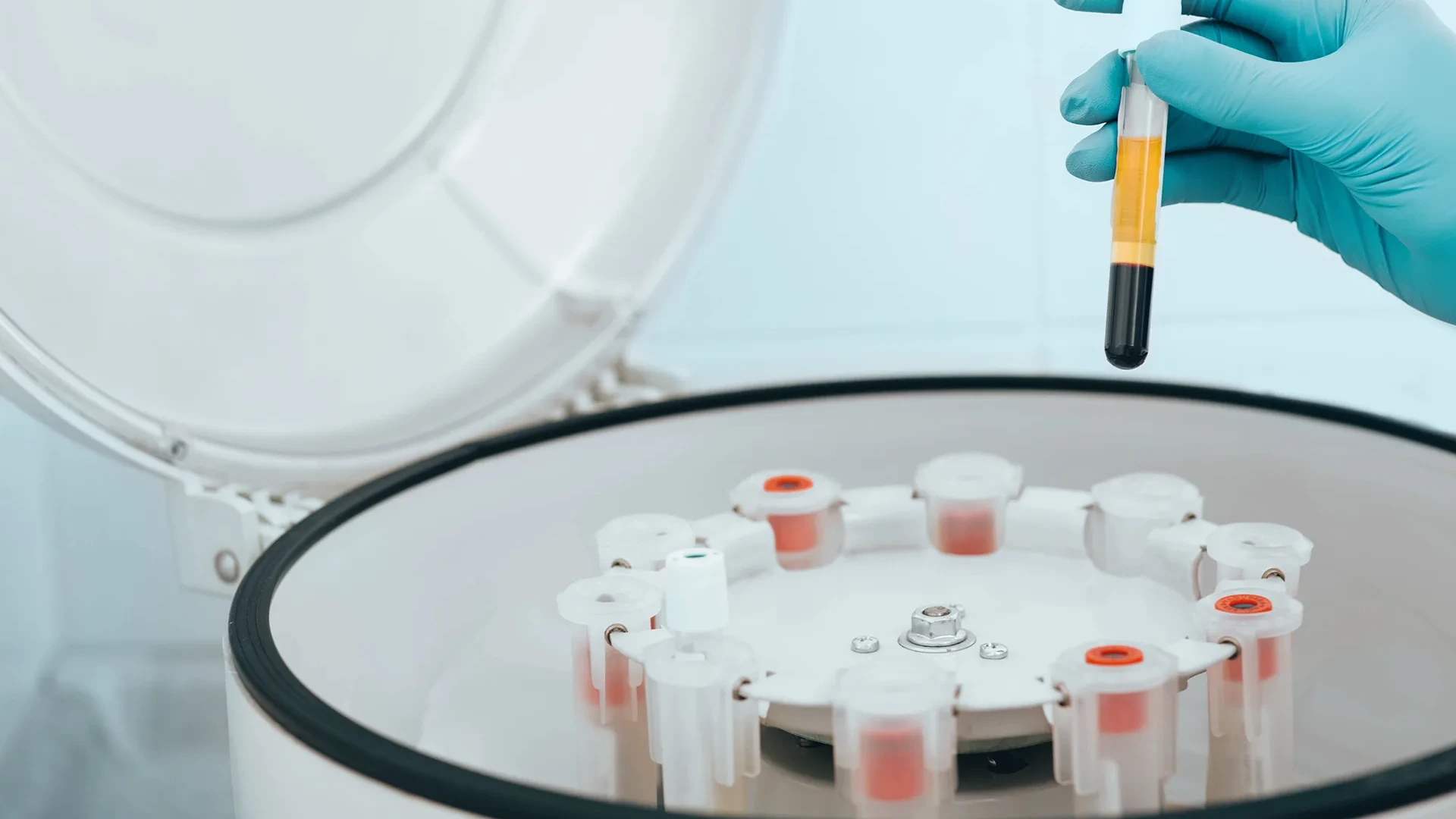
The appeal of the “Vampire Facial” is easy to understand: instead of adding volume or changing the shape of the face, the treatment uses a preparation made from your own blood as part of a skin-rejuvenation plan. For patients who want their skin to look fresher without looking obviously “treated”, that distinction matters.
But the name can make the treatment sound simpler than it really is. Platelet-rich plasma (PRP) is not one fixed product and not every protocol is identical. The way the blood is processed, the concentration that is produced, whether PRP is injected or paired with microneedling, the area being treated and the quality of the skin all influence what a clinician may recommend.
This guide is designed to explain the treatment the way a patient actually experiences it: what happens, what it may realistically help with, how it differs from other aesthetic treatments, what recovery feels like, where expectations need to stay realistic and what the current evidence does — and does not — tell us.
PRP is best understood as a skin-quality treatment, not a shortcut to a different face. It may be used to support gradual changes in texture, fine lines and overall skin appearance, but it does not behave like dermal filler and it should not be presented as a guaranteed way to “regenerate” or reverse ageing.
Contents
Why the Vampire Facial feels different
Aesthetic treatments can broadly do different jobs. Some change shape. Some replace volume. Some relax muscle movement. PRP sits in a different category: the conversation is usually about skin quality — how the skin looks and feels rather than how much volume has been added.
That is why the treatment often appeals to people who are not looking for a dramatic change. The goal may be softer fine lines, a more even-looking surface, improved texture or simply skin that looks less tired. Those goals are subtle by nature, and the treatment plan should reflect that.
At Dr Ducu Clinics, the current patient information describes sessions of roughly 45–60 minutes, using a small blood sample, with treatment courses commonly planned as a series rather than as a one-off appointment. Exact scheduling still depends on the patient, the treatment area and the protocol used.
| At a glance | Typical clinic guidance |
|---|---|
| Appointment length | Approximately 45–60 minutes. |
| Blood sample | Around 10–30 ml may be collected, depending on protocol. |
| Anaesthetic | Topical anaesthetic may be offered depending on the treatment method and area. |
| Initial course | A course of sessions may be recommended rather than a single treatment. |
| Downtime | Redness, swelling, tenderness or small bruises can occur; recovery is usually measured in days rather than weeks. |
| Results | Any change is gradual rather than immediate and varies between patients. |
What PRP is — without the hype
PRP stands for platelet-rich plasma. A small sample of the patient’s blood is collected and processed so that a plasma fraction containing platelets can be separated and prepared for treatment. Platelets are best known for their role in clotting, but they also release signalling proteins involved in normal tissue repair.
This is where marketing language can easily run ahead of the evidence. The fact that PRP is autologous — prepared from your own blood — does not mean every protocol is identical or every result is predictable. Different systems can produce different platelet concentrations and different final compositions, and research studies do not all use the same preparation or delivery technique.
Two clinics can both describe a treatment as “PRP” while using different preparation systems, treatment depths, injection patterns or microneedling protocols. The name alone does not tell you the whole treatment story.
From a blood sample to treatment
For the patient, the process is usually straightforward. The complexity sits behind the scenes: preparing the sample correctly, maintaining sterile technique and choosing a delivery method that makes sense for the skin concern being treated.
The procedure itself is not usually described as painless, but most patients tolerate it. A blood draw can feel like any routine blood test; facial injections can cause brief stinging or pressure, while microneedling may feel more like repeated scratching or vibration across the skin. Comfort varies by area and by individual sensitivity.
What patients are usually hoping to improve
“Rejuvenation” is a broad word. In a useful consultation it should be translated into specific, observable concerns. One person may be focused on fine creasing under the eyes; another may dislike a rougher skin texture or a generally dull appearance. PRP is not equally suited to every concern, so the starting point is defining the problem properly.
It is also useful to be clear about what PRP does not do. It does not replace the structural role of dermal filler, it does not relax expression lines the way botulinum toxin products can, and it should not be presented as a substitute for surgery when skin laxity or structural change is the main concern.
Microneedling, injections or both?
The phrase “Vampire Facial” is often used loosely, which is one reason patients can receive very different treatments under the same name. In some protocols PRP is injected. In others it is paired with microneedling. Some combine both approaches in the same session.
The delivery method changes the experience, the recovery and the way the clinician is using the treatment. There is no single technique that is automatically best for every patient.
| Approach | What it involves | Why it may be chosen |
|---|---|---|
| PRP injections | Small amounts are introduced directly into selected areas. | Allows targeted placement where a clinician wants to concentrate treatment. |
| Microneedling + PRP | Controlled microchannels are created in the skin and PRP is incorporated into the protocol. | Often discussed when texture and overall skin quality are key concerns. |
| Combined approach | Injection and microneedling are used in the same treatment plan. | May be selected when both targeted areas and broader skin-quality goals are being addressed. |
Who may be suitable — and who may need to wait
Suitability is not decided by age alone. A healthy 30-year-old and a healthy 55-year-old can have completely different skin concerns, medical histories and expectations. The more useful question is whether the treatment goal, tissue condition and medical background make sense together.
A consultation may lead to treatment being postponed or avoided if there is an active infection, a relevant blood disorder, significant anaemia, pregnancy or breastfeeding, or another medical factor that needs review. Medications and supplements that affect bleeding or platelet function are also relevant to discuss with the clinician rather than stopping anything without medical advice.
A treatment being “natural” or made from your own blood does not remove the need for medical screening. Autologous does not mean risk-free, and it does not make every patient automatically suitable.
What a good consultation should explore
The consultation is where a generic treatment name becomes an individual plan. A good assessment is not simply “Do you want PRP?” It asks what you are trying to change, whether the skin finding matches that goal, whether another treatment would be more appropriate and whether the expected improvement is realistic enough to justify treatment.
What happens on treatment day
Most patients find the day itself less dramatic than the name “Vampire Facial” suggests. The appointment usually begins with a review of the treatment plan and skin condition, followed by the blood draw and preparation of the sample. If anaesthetic cream is being used, it may be applied while the PRP is being prepared.
The treatment stage then depends on the protocol. Injections tend to feel sharper but are very brief at each point. Microneedling is more repetitive and can leave the face looking pink or flushed immediately afterwards. Small raised areas, pinpoint bleeding, redness, tenderness or localised swelling may be visible when you leave the clinic.
This is also why it is sensible not to judge the treatment in the mirror the same day. Immediately after treatment you are looking at the temporary effects of needles, microchannels and inflammation — not the eventual skin response.
Recovery: what the first days can look like
Recovery is usually short, but “minimal downtime” should not be interpreted as “nothing happens”. The skin has been deliberately treated, so temporary redness, swelling, sensitivity or bruising can be completely unsurprising. The exact appearance depends on whether injections, microneedling or both were used.
Dr Ducu Clinics currently advises patients to avoid strenuous exercise, excessive heat, alcohol and swimming for the first 24 hours, alongside any personalised aftercare given at the appointment. Advice may be adjusted depending on the exact treatment performed.
When to judge the result
PRP is not a treatment that is fairly judged the next morning. Unlike filler, there is no immediate added volume to assess. The entire idea is that any visible change develops gradually as the treated tissue responds over time.
The clinic’s current guidance describes improvement as commonly beginning within roughly four to six weeks, with further change possible over the following months. A course of three sessions around four to six weeks apart is commonly described, followed by maintenance that may be spaced six to twelve months apart. These are clinic guidance ranges rather than a guarantee for every patient.
The more useful way to judge treatment is by comparing the specific concern identified at consultation: has texture improved, do fine lines look softer, does the skin appear more even, and does the patient feel the change is meaningful enough to repeat? That is more informative than looking for a dramatic before-and-after transformation.
Where PRP fits alongside other treatments
One reason PRP is frequently misunderstood is that it is sometimes discussed as though it competes with every other aesthetic treatment. In reality, different treatments solve different problems.
If the issue is loss of facial volume, a volumising treatment may be more relevant. If muscle movement is creating expression lines, a treatment aimed at muscle activity may be the appropriate discussion. If pigmentation, vascular change or significant resurfacing is the main goal, an energy-based or laser treatment may make more sense. PRP may also be used alongside other procedures, but combination treatment should be planned rather than automatically stacked together.
A good result does not come from choosing the longest treatment menu. It comes from matching the right treatment to the right problem. PRP can be valuable when skin quality is the goal, but it should not be sold as the answer to every sign of ageing.
Risks, limits and warning signs
PRP has the advantage of being autologous, so allergy to the patient’s own plasma is not the main concern. But the treatment still involves blood collection, needles and/or microneedling, which means ordinary procedural risks still apply.
| What you may notice | How to think about it | When to ask for review |
|---|---|---|
| Redness, tenderness, mild swelling or bruising | Common short-term reactions after injections or microneedling. | If symptoms are getting worse rather than gradually settling. |
| Dryness or roughness after microneedling | Can occur as the skin barrier recovers. | If there is marked irritation, blistering, persistent weeping or significant discomfort. |
| Small localised bruises | Possible around injection points. | If bruising is unusually extensive, painful or associated with other concerning symptoms. |
| Increasing heat, redness, discharge or fever | Not an expected “normal recovery” pattern. | Contact the clinic promptly because infection needs assessment. |
| Severe pain, unusual skin colour change, eye symptoms or vision disturbance | These are not symptoms to watch at home and wait on. | Seek urgent medical assessment. |
Serious adverse events are uncommon in published facial-rejuvenation studies, but the evidence base is not large enough to treat that as proof that complications cannot occur. Sterile technique, appropriate patient selection and clinician training remain important.
What the evidence actually says
PRP sits in an interesting place in aesthetic medicine: it is widely used, biologically plausible and supported by a growing literature, but the research is still much less standardised than patients might assume from the popularity of the treatment.
A 2024 overview of systematic reviews found that the available evidence for facial rejuvenation was limited by small studies, inconsistent protocols and generally low or very low certainty. A 2025 systematic review reported improvements in wrinkles and skin texture in several clinical studies, while also highlighting differences in application technique and dose. Earlier systematic reviews reached a similar overall conclusion: PRP may offer modest benefit for aspects of skin quality, particularly texture, but better controlled studies and standardised protocols are still needed.
That does not mean the treatment “does not work”. It means the evidence is not strong enough to promise a precise result to every patient. The responsible position sits between marketing extremes: neither dismissing PRP entirely nor presenting it as proven regeneration with guaranteed outcomes.
Frequently asked questions
The questions below focus on what patients most often want to understand before deciding whether PRP belongs in their treatment plan.
Is a Vampire Facial the same as PRP?
Will PRP change the shape of my face?
Can PRP replace dermal filler?
How many sessions do I need?
How quickly will I see a result?
How long do results last?
Is there downtime?
Does the treatment hurt?
Can I exercise after treatment?
Can I drink alcohol after treatment?
Is PRP safe because it comes from my own blood?
Who should not have PRP?
Can PRP be used under the eyes?
Can PRP help hair loss as well?
Is PRP proven to regenerate the skin?
What should make me contact the clinic after treatment?
Related treatment: Platelet-Rich Plasma