
 English
 Spanish
 Arabic
 Chinese
 French
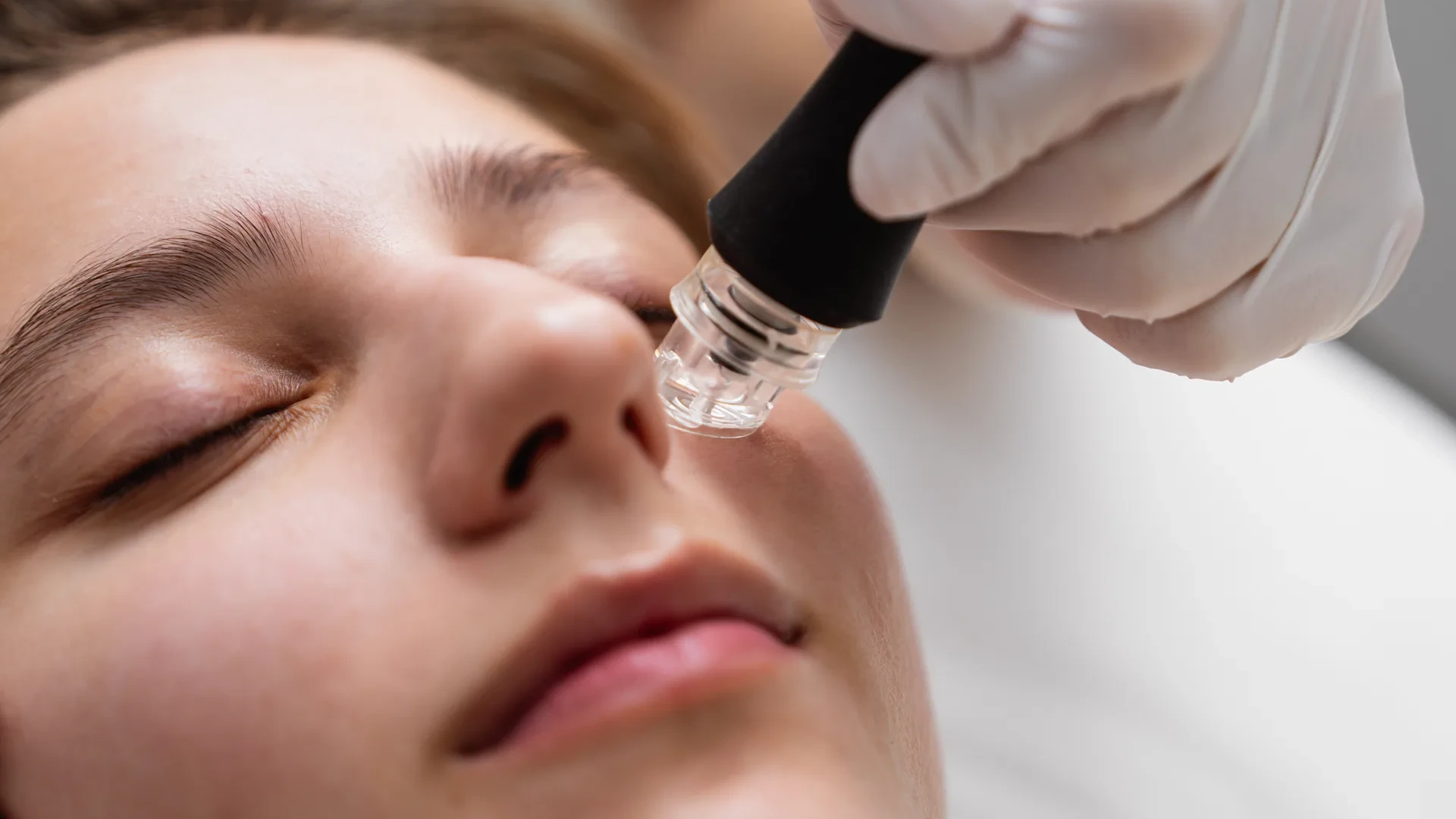
Microneedling is often described in one sentence: tiny needles create tiny injuries, and the skin responds by repairing itself. That explanation is broadly correct, but it leaves out the part that matters most to patients — what is actually being treated, how controlled needling differs from simply damaging the skin, why results are gradual and why not every concern responds equally well.
Traditional microneedling uses a sterile device with multiple fine needles to create controlled punctures in the skin. These punctures initiate a wound-healing response that can influence collagen remodelling and the architecture of scarred or photoaged skin. The procedure is used most commonly for concerns such as atrophic acne scarring, uneven texture, selected fine lines and, in some protocols, stretch marks.
The treatment is not the same as radiofrequency microneedling. Traditional microneedling relies on mechanical needling alone, whereas RF microneedling combines needles with radiofrequency energy delivered into the tissue. The two approaches have different devices, evidence, risk profiles and treatment goals, so they should not be presented as interchangeable.
Contents
02Controlled injury — not damage for its own sake
03What happens after the channels are created
04Rollers, pens and treatment depth
05What microneedling may realistically improve
06Acne scars: where the evidence is strongest
07Fine lines, texture and photoageing
08Stretch marks and body treatment
09What happens during a treatment
10Recovery and aftercare
11Who may need to wait or avoid treatment
12Traditional microneedling vs RF microneedling
13How microneedling compares with other resurfacing options
14Frequently asked questions
What microneedling actually is
Microneedling uses multiple sterile needles to repeatedly enter and leave the skin at controlled depths. Devices may be manual or motorised. Pen-style systems move needles vertically, while rollers move needles across the skin as the cylinder rotates. The practical purpose is the same: to create many controlled micro-injuries without intentionally removing the whole surface layer of skin.
The treatment is sometimes called percutaneous collagen induction or collagen-induction therapy. That name is useful, but it can also oversimplify the biology. The skin response involves inflammation, signalling, cell migration, extracellular-matrix remodelling and later collagen reorganisation. The visible result, where treatment is effective, develops gradually rather than immediately.
| At a glance | Typical clinical principle |
|---|---|
| Main action | Controlled puncture injury followed by wound-healing and tissue remodelling. |
| Best-established cosmetic use | Selected atrophic acne scars. |
| Other uses studied | Fine lines, photoageing, texture, scars and stretch marks, with varying evidence quality. |
| Result pattern | Gradual; multiple sessions may be discussed depending on indication and protocol. |
| Important distinction | Traditional microneedling is not the same as RF microneedling. |
Controlled injury — not damage for its own sake
The word “injury” can sound alarming, but the central concept is control. The aim is not to create as much trauma as possible. It is to create a reproducible stimulus while preserving surrounding tissue. Needle depth, pass number, pressure, device settings and treatment density should be selected for the area and indication rather than increased simply to make the skin look more inflamed.
This is also why deeper does not automatically mean better. A superficial texture concern does not necessarily require the same depth as an atrophic scar, and delicate areas may need a different approach from thicker facial or body skin. Excessive trauma can increase discomfort, prolonged redness, pigmentary change, infection risk and scarring.
What happens after the channels are created
The early response begins with haemostasis and inflammation. Platelets and inflammatory cells release signalling molecules involved in repair. Over the following days and weeks, fibroblasts and other cells contribute to extracellular-matrix remodelling, while collagen organisation evolves over a longer period.
This helps explain why the skin can look red immediately after treatment while the intended structural change is not yet visible. Redness is an acute response; collagen remodelling is slower. Any meaningful improvement should therefore be judged after the initial inflammation has settled and enough time has passed for tissue remodelling.
Rollers, pens and treatment depth
Manual rollers and automated pens use the same broad principle but move through the skin differently. Rollers enter along the arc of a rotating cylinder. Motorised pens move needles vertically and usually allow more precise adjustment of depth. The clinical significance is not that one category is universally superior; it is that device design affects control, reproducibility and how the operator treats different areas.
Professional treatment also differs from cosmetic home-rolling. Medical or professional microneedling may use greater depths and requires appropriate infection-control procedures, device handling and patient selection. Deeper needling should not be replicated at home simply because a commercial device is available.
What microneedling may realistically improve
Microneedling is frequently marketed for a long list of concerns, but the quality of evidence is not equal across them. The most defensible way to discuss results is by indication. Atrophic acne scars have a substantial body of clinical literature. Facial rejuvenation, wrinkles, photoageing and stretch marks also have published evidence, but study protocols and outcome measures are heterogeneous.
| Concern | What may improve | Important limit |
|---|---|---|
| Atrophic acne scars | Scar texture and visible depth in selected scar types. | Deep tethered or ice-pick scars may need other or combined approaches. |
| Fine lines / photoageing | Modest changes in texture, wrinkling or skin quality have been reported. | It does not reproduce the lifting effect of surgery or replace lost facial volume. |
| Stretch marks | Appearance and texture may improve in some patients. | Evidence varies and complete removal is not a realistic promise. |
| Uneven texture | A smoother-looking surface may develop gradually. | Texture has many causes, so correct diagnosis matters. |
| Pigmentation concerns | Some protocols study pigmentation disorders. | Microneedling is not a generic treatment for every type of pigmentation, and inflammation can worsen pigment in some patients. |
Acne scars: where the evidence is strongest
Atrophic acne scarring is one of the most studied indications for microneedling. Systematic reviews have generally found improvement in scar appearance, including when microneedling is used alone and when it forms part of combination treatment. However, studies use different scar scales, devices, depths, treatment intervals and combination protocols, so results should not be reduced to one guaranteed percentage.
Scar type also matters. Rolling and some boxcar scars may respond differently from narrow ice-pick scars or scars tethered to deeper structures. A scar consultation should therefore classify the scar pattern rather than treating “acne scars” as one uniform condition.
Fine lines, texture and photoageing
Microneedling is also used for facial rejuvenation, but the language here needs to stay measured. A 2025 systematic review of 21 studies and 723 patients found that wrinkles, texture and photoageing were among the most commonly studied outcomes. The overall literature suggests that some patients report improvement in these areas, but study quality, protocols and follow-up vary.
It is more accurate to describe these changes as gradual improvements in skin quality than as “lifting” or reversal of ageing. Traditional microneedling does not reposition facial tissues, remove excess skin or restore deep structural volume. If laxity, volume loss or another structural issue is the dominant concern, a different treatment category may be more relevant.
Stretch marks and body treatment
Stretch marks, or striae distensae, represent dermal scarring rather than simply “damaged surface skin”. Microneedling has been studied as a way of remodelling the affected tissue. A 2024 systematic review and meta-analysis found initial evidence of benefit, although the included studies used different microneedling and RF-microneedling approaches and the evidence does not support a promise of complete removal.
Body treatment also requires practical adjustments. Skin thickness, body area, scar age, colour, previous treatment and individual pigmentation tendency all influence planning. The face, neck, décolletage and body should not automatically receive identical settings simply because they are being treated with the same device.
What happens during a treatment
A professional session begins with assessment rather than with the device. Active inflammatory acne, infection, recent procedures, medications, history of abnormal scarring, pigmentary risk and the exact treatment goal can all change whether treatment should proceed and how it should be performed.
The sensation varies with depth, area, device and individual sensitivity. Patients may describe vibration, scratching, heat or repeated sharp sensations. Topical anaesthetic may be used for deeper treatment, but microneedling should not be marketed as universally painless.
Recovery and aftercare
Redness, warmth, tightness, tenderness, mild swelling and pinpoint bleeding can occur after treatment. The duration varies with treatment intensity and the individual. Redness for 24–72 hours and a 3–5 day healing period may be reasonable examples for some protocols, but they should not be treated as universal timelines.
Aftercare should protect the recovering skin barrier. The exact instructions depend on the device and depth, but commonly include gentle cleansing, avoiding unnecessary friction or picking, sun protection and temporarily withholding irritating actives such as retinoids or exfoliating acids. Makeup timing should follow the treating clinician’s protocol rather than a universal internet rule.
It is also important not to assume that any serum is appropriate immediately after needling. The US FDA notes that authorised microneedling devices have not been cleared for delivery of cosmetics, topical medications, vitamin solutions, drugs or biologics into the skin. Products used around a procedure should therefore be selected deliberately rather than applied simply because open microchannels are present.
Who may need to wait or avoid treatment
Microneedling is not appropriate for every patient at every time. Active infection, uncontrolled inflammatory skin disease in the treatment area, open wounds, active herpes lesions, some bleeding disorders, relevant immunosuppression, poor wound healing, a history of problematic scarring or certain medicines may change suitability. Pregnancy and breastfeeding may also influence whether an elective cosmetic procedure is postponed.
This list is not a substitute for medical assessment. Patients should not stop prescription medication or supplements on their own before treatment. The correct approach is to disclose the medication and let the treating clinician decide whether further medical review is needed.
In England, microneedling is included within the Government’s proposed licensing framework for non-surgical cosmetic procedures. As of the latest published consultation response, the final scheme still requires secondary legislation before the new licensing restrictions come into force. Traditional microneedling was proposed in the lower-risk category, while hybrid technologies such as RF microneedling were treated separately because combining technologies changes the risk profile.
Traditional microneedling vs RF microneedling
RF microneedling uses needle electrodes to deliver radiofrequency energy into or beneath the skin. The mechanical puncture and the thermal effect happen together. This means the treatment should not be described simply as “stronger microneedling” or as an automatic upgrade. It is a separate energy-based procedure with different settings, indications and complications.
In October 2025, the FDA issued a safety communication after reports of serious complications with certain RF microneedling uses, including burns, scarring, fat loss, disfigurement and nerve damage. The agency’s review is ongoing. That warning does not mean every RF microneedling treatment causes these problems, but it does mean the procedure should not be trivialised or presented as equivalent in risk to traditional mechanical microneedling.
| Feature | Traditional microneedling | RF microneedling |
|---|---|---|
| Main mechanism | Mechanical controlled puncture and repair response. | Mechanical puncture plus radiofrequency-induced tissue heating. |
| Typical discussion | Scars, texture, selected fine lines and other remodelling indications. | Texture, scars and selected tightening/remodelling goals depending on device. |
| Energy delivered | No RF energy. | RF energy delivered through needle electrodes. |
| Risk distinction | Bleeding, infection, irritation, pigment change and scarring are among possible complications. | Adds thermal risks; serious complications have been reported with certain uses. |
How microneedling compares with other resurfacing options
Microneedling is one of several approaches to skin resurfacing and remodelling. Chemical peels, fractional lasers, RF microneedling, subcision and combination protocols can all be relevant depending on the problem. The choice should follow the diagnosis rather than a general claim that one treatment has “less downtime” or is “better for every skin tone”.
For acne scars, recent network meta-analyses continue to show that several modalities can improve outcomes, and combination treatment can be useful for mixed scar patterns. For stretch marks, recent meta-analyses suggest microneedling can achieve improvement comparable with some laser approaches in selected studies, but results remain heterogeneous. These data support microneedling as a legitimate option, not as a universally superior one.
Frequently asked questions
How does microneedling work?
Microneedling creates multiple controlled punctures in the skin. This initiates a wound-healing response involving inflammatory signalling, fibroblast activity and later collagen and extracellular-matrix remodelling.
Is microneedling the same as collagen induction therapy?
The terms are often used interchangeably. ‘Collagen induction therapy’ describes the intended biological response, while microneedling describes the technique used to create the controlled micro-injuries.
Does microneedling remove acne scars?
It may improve the appearance of selected atrophic acne scars, but complete removal should not be promised. Scar type, depth, tethering and combination treatment all influence the result.
Which acne scars respond best?
Rolling and some boxcar scars are commonly discussed for microneedling. Narrow ice-pick scars or deeply tethered scars may require different or additional techniques.
Can microneedling help fine lines?
Studies of facial rejuvenation report improvement in some patients, but the change is generally gradual and modest. Microneedling does not reproduce the structural effects of surgery or replace lost facial volume.
Can microneedling help stretch marks?
Evidence suggests it can improve the appearance of striae in some patients, but study methods vary and complete removal is not a realistic expectation.
Does microneedling reduce pore size?
Some patients report a smoother-looking surface and reduced appearance of pores, but pore size is influenced by anatomy, oil production and skin structure. It should not be presented as a guaranteed permanent change.
Is microneedling suitable for every skin tone?
Microneedling is used across a wide range of skin tones and may carry less pigmentary risk than some resurfacing techniques in certain settings, but no skin tone is risk-free. Post-inflammatory hyperpigmentation can still occur.
How many microneedling sessions are needed?
There is no universal number. Session count depends on the indication, device, depth, treatment interval, skin response and whether microneedling is being used alone or as part of a combination plan.
How long does redness last?
Redness may settle within days for many patients, but duration varies with treatment intensity and individual skin response. Fixed recovery timelines should not be guaranteed.
Can I wear makeup straight after microneedling?
Makeup timing should follow the treating clinician’s aftercare protocol. Freshly treated skin has a temporarily disrupted barrier, so unnecessary contamination and irritating products are usually avoided during early recovery.
Should hyaluronic acid serum be applied immediately after treatment?
Not automatically. Product use after needling should be selected clinically. The FDA notes that authorised microneedling devices are not cleared for delivering cosmetics, drugs or biologics into the skin simply because channels have been created.
Is home dermarolling the same as professional microneedling?
No. Professional treatment may use different devices, greater depths, sterile consumables and clinical assessment. Deeper needling should not be reproduced at home without appropriate training and infection-control standards.
Is Morpheus8 the same as standard microneedling?
No. Morpheus8 is an RF microneedling platform. RF microneedling combines needle penetration with radiofrequency energy and has a different mechanism and risk profile from traditional mechanical microneedling.
Can microneedling cause pigmentation or scarring?
Yes. Although serious complications are uncommon in many studies, inflammation, post-inflammatory pigment change, infection and scarring can occur, particularly if the treatment is too aggressive or aftercare is poor.
When should I seek medical review after microneedling?
Increasing pain, spreading redness, marked swelling, pus, fever, blistering, significant pigment change or symptoms that worsen rather than settle should be reviewed promptly. Severe or rapidly evolving symptoms need urgent medical assessment.
Microneedling works by creating controlled micro-injuries that trigger repair and tissue remodelling. That mechanism is real, but it does not make every claim about “collagen”, “rejuvenation” or skin tightening automatically valid. The most useful treatment plan starts with the indication, chooses an appropriate device and depth, respects the skin’s healing capacity and sets expectations according to the evidence rather than the marketing language.
References / Further Reading
Mujahid N, et al. Microneedling as a Treatment for Acne Scarring: A Systematic Review. Dermatologic Surgery. 2020.
Li H, et al. Comparing the efficacy and safety of microneedling and its combination with other treatments in patients with acne scars: a network meta-analysis of randomized controlled trials. Archives of Dermatological Research. 2024.
Foppiani JA, et al. Microneedling for Facial Rejuvenation: A Systematic Review. Aesthetic Plastic Surgery. 2025.
Sun X, et al. Microneedling Therapy for Striae Distensae: Systematic Review and Meta-Analysis. Aesthetic Plastic Surgery. 2024.
U.S. Food and Drug Administration. Microneedling Devices and Potential Risks with Certain Uses of Radiofrequency Microneedling. Updated 2025.
ASA / CAP. Guidance on the marketing of surgical and non-surgical cosmetic procedures and Cosmetic Interventions: Non-surgical procedures.
Department of Health and Social Care. Licensing of non-surgical cosmetic procedures in England: consultation response. Updated 2025.
Related treatment: Morpheus8