
 English
 Spanish
 Arabic
 Chinese
 French
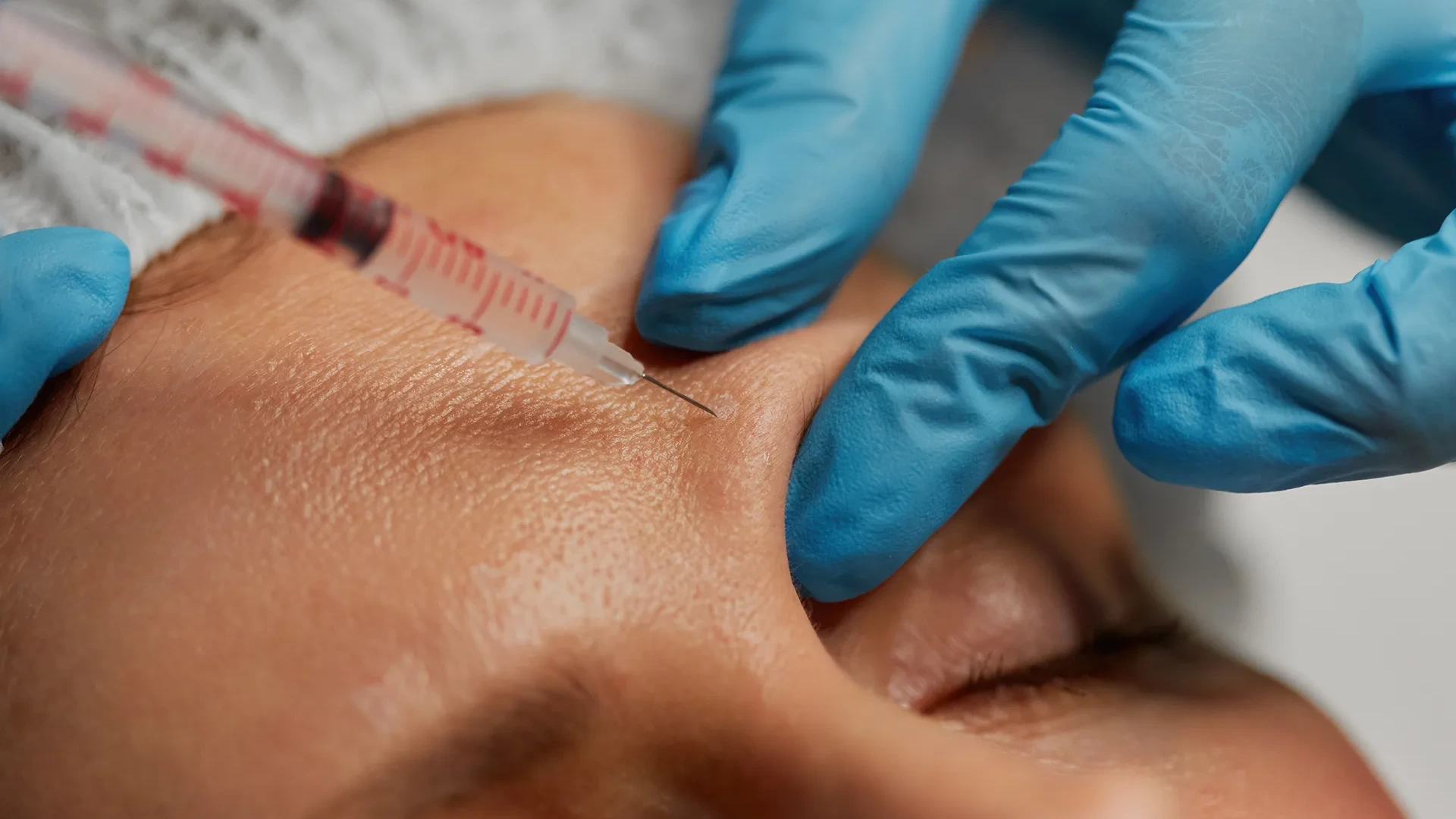
Aftercare following dermal filler is often presented as a long list of rules: do not touch, do not exercise, do not wear make-up, avoid heat, drink more water and wait a fixed number of days before using active skincare. In reality, some of those recommendations are sensible precautions, some are based mainly on expert consensus rather than strong comparative evidence, and some depend entirely on the filler product, treatment area and technique used.
The first priority after filler is not to make the product “last longer”. It is to allow the injection sites and treated tissues to settle while keeping the skin clean, avoiding unnecessary pressure or irritation and recognising the difference between expected short-term effects and symptoms that require prompt medical review.
This guide focuses mainly on facial dermal filler, particularly hyaluronic-acid filler, because that is where most published aftercare and complication guidance exists. Other fillers — including biostimulatory or longer-lasting products — may have different instructions. The clinician who performed the treatment should therefore provide product- and area-specific advice in writing.
Contents
02The first hours: keep it simple
03Skincare: cleanser, moisturiser and SPF
04When to restart active skincare
05Make-up after filler
06Exercise, heat, alcohol and pressure
07Should you massage filler?
08Swelling, bruising and small lumps
09Cold compresses: useful, but not automatic
10Dental work and other treatments
11What skincare cannot do
12Warning signs that need urgent review
13When to judge the result
14Frequently asked questions
What actually happens after filler
Filler treatment creates two overlapping effects: the intended volume or structural change from the product, and a short-term tissue response to injection. Needle or cannula entry can produce redness, tenderness, bruising, swelling and temporary firmness. Hyaluronic-acid filler also attracts water, which can contribute to early swelling depending on the product and area treated.
This is why the first hours or days are not the right time to judge symmetry or final volume. Lips, for example, can swell considerably relative to their size. Tear troughs and other delicate areas can also show fluid-related changes. Small differences between sides may simply reflect bruising or oedema rather than true asymmetry.
Most immediate reactions are mild and self-limiting, but serious complications can occur. Aftercare therefore has two jobs: support uncomplicated healing and make sure warning signs are recognised early rather than dismissed as “normal swelling”.
The first hours: keep it simple
Immediately after treatment, the most useful approach is usually a simple one. Avoid unnecessary touching, rubbing, pressing or manipulating the area unless the clinician has specifically instructed you to do so. Keep hands, phones and anything else that repeatedly contacts the treated area clean.
Written aftercare should explain whether make-up can be used, whether pressure on the area should be limited and what symptoms should trigger a call. Expert consensus also emphasises that patients should have a clear way of reaching the clinic if they are worried, particularly outside routine hours.
Skincare: cleanser, moisturiser and SPF
Once the clinician says the skin can be cleansed normally, a gentle routine is usually enough. A mild, non-abrasive cleanser and a simple moisturiser can support comfort without adding unnecessary irritation. Fragrance-free products may be helpful for sensitive or reactive skin, but no specific brand or ingredient is universally required after filler.
Sun protection remains useful for general skin health and can help reduce worsening of post-inflammatory colour change after bruising or irritation. SPF does not “lock in” filler, and there is no good evidence that moisturiser or sunscreen materially extends the life of an injected filler. Their role is skin care, not filler preservation.
| Skincare step | Practical approach | What to avoid early on |
|---|---|---|
| Cleansing | Use a gentle cleanser once the clinic says normal cleansing can resume. | Scrubbing, cleansing brushes or aggressive rubbing over injection sites. |
| Moisturiser | A simple, non-irritating moisturiser can be used if the skin feels dry or tight. | Heavily fragranced or irritating formulas if the skin is reactive. |
| Sun protection | Use suitable broad-spectrum sun protection when skin is comfortable enough for application. | Prolonged intense sun or heat exposure during early recovery. |
| Active products | Restart gradually after tenderness and surface irritation have settled. | Retinoids, strong acids or abrasive exfoliants on freshly treated skin. |
When to restart active skincare
A three-to-five-day wait before restarting retinol, glycolic acid, salicylic acid and vitamin C can be a useful rule of thumb for some patients, but it is not a universal biological cut-off. Skin sensitivity, injection sites, product formulation and whether additional procedures were performed all matter.
A safer principle is to restart irritating actives only once the puncture sites have closed and the skin is no longer significantly tender, inflamed or reactive — and to follow the treating clinician’s instructions. Potent retinoids, exfoliating acids, benzoyl peroxide, scrubs and strong vitamin-C preparations may sting or worsen irritation if introduced too early.
If filler has been combined with laser, peel, microneedling or another procedure, the aftercare plan should follow the most restrictive treatment in the combination rather than filler instructions alone.
Make-up after filler
There is no single evidence-based make-up interval that applies to every filler procedure. Published consensus recommendations vary from a few hours to avoiding make-up for the remainder of the day. The underlying concern is contamination of fresh puncture sites and unnecessary manipulation of recently injected tissue.
When make-up is resumed, clean hands and clean applicators matter more than covering the area quickly. Avoid vigorous blending or pressure over a tender treatment site. If a clinician has advised a longer make-up-free period because of the area, product or technique used, that instruction takes priority.
Exercise, heat, alcohol and pressure
Many filler aftercare protocols advise avoiding strenuous exercise for about the first day. This is based mainly on expert consensus and the practical aim of limiting avoidable bruising, swelling, heat and pressure rather than evidence that exercise physically “moves” correctly placed filler.
Heat exposure from saunas, steam rooms, hot tubs, intense sun or tanning is also commonly restricted during early recovery. Alcohol can increase flushing or bruising in some people, but a universal rule that alcohol or salty food causes filler migration is not supported. The sensible approach is to avoid anything that clearly worsens swelling or irritates the treated area while it is settling.
Pressure matters most when it is prolonged or directly applied to a recently treated area. Sleeping face-down, tight goggles, firm massage devices or compression from sports equipment may be relevant depending on where filler was placed. Your clinician should explain any area-specific restrictions rather than applying the same rule to every face.
Should you massage filler?
Not unless you have been told to. Some fillers and some treatment techniques require clinician-directed massage; others do not. Even with hyaluronic-acid filler, the injector may gently massage immediately after placement if contour correction is needed, while later irregularities are often better assessed at follow-up than repeatedly manipulated at home.
This is one reason generic internet advice can be misleading. “Never massage filler” is too absolute, but “massage every lump” is also unsafe. Product type, anatomical area, time since treatment and the cause of the lump all matter. A firm area caused by swelling is different from misplaced product, an inflammatory nodule or infection.
Swelling, bruising and small lumps
Mild swelling, tenderness, redness, bruising and a temporary sense of firmness are common after filler. Small palpable areas can also occur while oedema settles. Consensus guidance notes that some patients can feel firmness for several weeks, which is one reason early texture alone should not automatically be interpreted as a complication.
What matters is the pattern. Mild symptoms that steadily improve are different from pain that increases, colour changes that spread, skin that becomes pale or mottled, new blisters, pus, marked heat or swelling that worsens unexpectedly. Those patterns require clinical assessment rather than routine skincare.
Cold compresses: useful, but not automatic
Cold compresses are often recommended to reduce swelling and bruising after filler, and many patients find them soothing. However, at least one expert consensus advises against routine post-injection icing because cooling may temporarily mask colour or perfusion changes that could help identify vascular compromise.
The practical message is to follow the treating clinician’s protocol rather than automatically applying ice for prolonged periods. If pain is increasing, the skin looks unusually pale, grey, blue or mottled, or there are visual symptoms, do not keep treating the problem at home with cold packs — seek urgent assessment.
Dental work and other treatments
Recent dental treatment, active infection and some inflammatory events have been discussed as potential triggers or associations in delayed reactions to hyaluronic-acid filler. The exact relationship is complex, and it would be inaccurate to claim that routine dental work inevitably causes a filler reaction.
It is still sensible to tell your injector about recent or planned dental procedures, infections, vaccinations, significant illness and new inflammatory symptoms when relevant. The clinician can decide whether treatment timing or review should change. Likewise, lasers, radiofrequency, ultrasound-based treatments, peels or facial massage should not be added immediately after filler simply because the skin looks settled; sequencing should be planned around the product and treatment area.
What skincare cannot do
Hydration, skincare and lifestyle habits are sometimes said to help filler last longer, but this is difficult to support as a general rule. Filler longevity is influenced by product chemistry, cross-linking, anatomical location, dose, tissue movement, individual metabolism and time. Drinking extra water or using a hyaluronic-acid serum may improve how the skin feels, but there is no robust evidence that either reliably extends the life of injected filler.
Similarly, sunscreen, a balanced diet and avoiding smoking are sensible for general skin and health reasons, but they should not be sold as a proven way to stop dermal filler from breaking down. Good skincare supports the skin around the treatment; it does not control every aspect of filler behaviour.
Warning signs that need urgent review
This is the most important part of aftercare. Hyaluronic-acid filler complications are uncommon, but vascular occlusion, infection and visual complications can be serious. Vascular problems may appear immediately or can present later, which is why increasing pain or evolving skin-colour change should not be dismissed simply because the treatment happened hours earlier.
| Symptom pattern | Why it matters | What to do |
|---|---|---|
| Increasing or severe pain | Pain that escalates rather than settles can be a warning sign of vascular compromise or infection. | Seek prompt clinical assessment. |
| Blanching, mottling, dusky or unusual colour change | May indicate impaired blood flow, especially when associated with pain or cool skin. | Urgent assessment is required. |
| Eye pain, blurred vision, double vision or vision loss | Filler-related visual loss is a medical emergency. | Seek emergency medical care immediately and alert the treating clinic. |
| Increasing redness, heat, pus, fever, blisters or pustules | Can suggest infection, significant inflammation or tissue injury. | Prompt medical review is needed. |
| New delayed swelling or nodules weeks to months later | Delayed inflammatory or non-inflammatory filler reactions are recognised. | Arrange clinical assessment rather than self-treating. |
When to judge the result
The final appearance should not be judged while significant swelling or bruising is still present. Expert consensus commonly recommends follow-up in the following weeks, particularly for first-time patients or a new treatment area, so the injector can distinguish settling tissue from a contour issue that may need review.
This does not mean every filler needs a routine “top-up”. Additional treatment should depend on anatomy, the original plan, the settled result and whether more product is clinically appropriate. Automatically adding filler because a calendar says it is time can lead to overfilling and may ignore residual product from previous treatments.
Frequently asked questions
Can I wash my face after filler?
Yes, once your clinician says normal cleansing can resume. Use a gentle cleanser and avoid aggressive rubbing over fresh injection sites.
Can I use moisturiser after filler?
Usually yes, once the skin surface can be touched normally. A simple, non-irritating moisturiser is generally preferable to a heavily fragranced or highly active formula during early recovery.
Can I use hyaluronic-acid serum after filler?
It can be used as ordinary skincare once the skin is ready for products, but there is no good evidence that topical hyaluronic acid makes injected filler last longer.
When can I restart retinol?
There is no universal cut-off. Restart once puncture sites have closed and tenderness or inflammation has settled, following the treating clinician’s protocol. Combination treatments may require a longer pause.
When can I use vitamin C or acids again?
Strong vitamin-C preparations, AHAs, BHAs and other active products are best reintroduced once the skin is no longer significantly tender or reactive. Exact timing depends on the product and procedure.
Can I wear make-up after filler?
Published guidance varies. Many clinicians advise waiting at least a few hours and some prefer no make-up for the rest of the day. Clean applicators and minimal pressure are important when make-up is resumed.
Can I exercise after filler?
Many expert protocols recommend avoiding strenuous exercise for around the first day to reduce avoidable swelling or bruising. This is mainly consensus-based advice rather than proof that exercise moves correctly placed filler.
Can I drink alcohol after filler?
Alcohol can contribute to flushing or bruising in some people, so some clinicians advise avoiding it during early recovery. It is not accurate to say alcohol automatically causes filler migration.
Can I go to the sauna or steam room?
Intense heat is commonly avoided during early recovery. Follow the timing given by your clinician, especially if the area remains swollen or tender.
Should I massage a lump after filler?
Not unless you have been told to. Some products or techniques require massage, while others do not. Persistent, painful, red, warm or unusual lumps should be assessed.
Can I sleep on my face after filler?
Many aftercare protocols advise avoiding prolonged pressure on the treated area during early recovery. The relevance depends on the area treated, so follow the specific instructions you were given.
Does drinking more water make filler last longer?
There is no robust evidence that extra water intake extends filler longevity. Normal hydration is sensible for general health, but filler persistence depends mainly on product, placement, area and individual biology.
Does SPF make filler last longer?
SPF supports general skin health and helps reduce sun-related skin damage, but it should not be presented as a proven way to stop injected filler from breaking down.
Is bruising normal after filler?
Bruising can occur after injection and usually improves. Unusual or worsening bruise-like colour change, especially with increasing pain, pallor or mottling, requires prompt review.
When should I worry about swelling?
Mild swelling can be expected. Swelling that is severe, progressively worsening, associated with significant pain, heat, pus, fever, colour change, breathing difficulty or other systemic symptoms needs medical assessment.
What symptoms after filler are an emergency?
Sudden visual disturbance, eye pain, double vision or vision loss are emergencies. Severe escalating pain with blanching or mottled skin can also indicate vascular compromise and needs urgent assessment.
After filler, more skincare is not necessarily better. The most useful plan is usually simple: keep the area clean, avoid unnecessary pressure or irritation, pause aggressive products while the skin is reactive, follow product-specific instructions and know exactly which symptoms require prompt review. Good aftercare supports recovery; it does not replace correct injection technique, clinical judgement or complication preparedness.
References / Further Reading
Goodman GJ, et al. Facial aesthetic injections in clinical practice: Pretreatment and posttreatment consensus recommendations to minimise adverse outcomes. Australasian Journal of Dermatology. 2020.
Barańska-Rybak W, et al. Late-Onset Reactions after Hyaluronic Acid Dermal Fillers: A Consensus Recommendation on Etiology, Prevention and Management. Dermatology and Therapy. 2024.
Murray G, et al. Guideline for the Management of Hyaluronic Acid Filler-induced Vascular Occlusion. Journal of Clinical and Aesthetic Dermatology. 2021.
Goodman GJ, et al. A Consensus on Minimizing the Risk of Hyaluronic Acid Embolic Visual Loss and Suggestions for Immediate Bedside Management. Aesthetic Surgery Journal. 2020.
NHS. Choosing who will do your cosmetic procedure — advice on dermal fillers.
ASA / CAP. Guidance on the marketing of surgical and non-surgical cosmetic procedures and Beauty and Cosmetics: Treatments using fillers.
Related treatment: Dermal fillers