
 English
 Spanish
 Arabic
 Chinese
 French
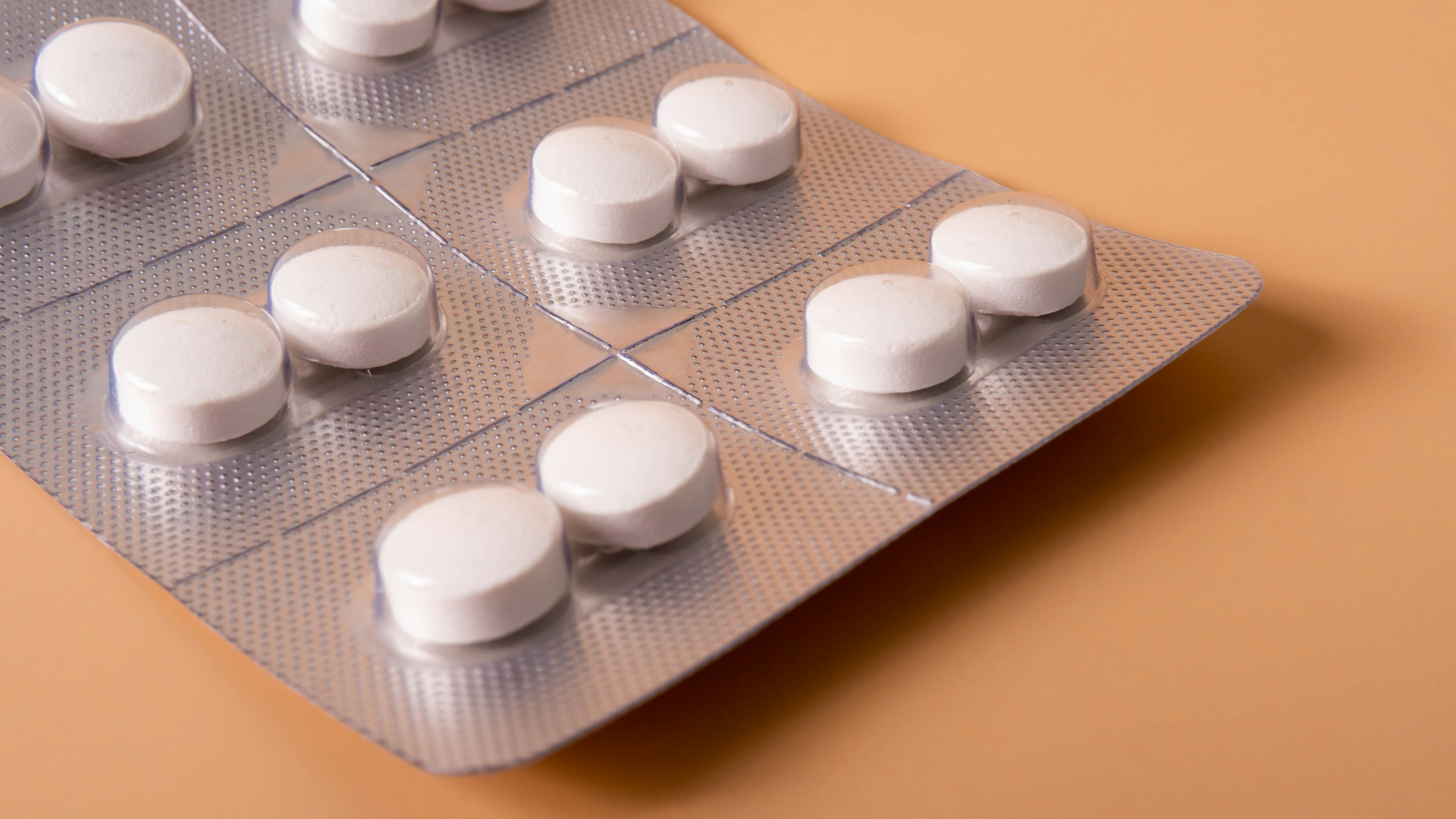
BBL filler removal · Medicines and treatment history
People seeking BBL filler removal have often already received medicines because of the filler — antibiotics for a suspected infection, steroid courses or injections for lumps, or a dissolving enzyme — sometimes in another country. Together with everyday medicines and supplements, this history can change how symptoms look, how the tissue is assessed and which treatment is safe to offer. This article explains what should be disclosed at consultation and why.
The essential idea
In filler removal, the medicine history is part of the diagnosis. Antibiotics, steroids and immune-modifying medicines can mask or alter signs of infection and inflammation; blood-thinning medicines and supplements affect bleeding in a large treatment area; and recent weight change can alter how the filler sits. Disclose everything, including treatments received abroad, and do not stop prescribed medicines without advice.
Why medicine history changes the assessment
At a BBL filler removal consultation, the clinician tries to establish what was injected, where it is now and whether the tissue is quiet, inflamed or infected. Our article on what happens at a BBL filler removal consultation describes that process. Medicines matter at each step.
A course of antibiotics may have reduced redness or pain without fully resolving an infection. Steroids may have shrunk a nodule temporarily. A previous enzyme treatment may have reduced some product while leaving another material untouched. Without this information, findings on examination and ultrasound can be misread, and the removal plan may be built on the wrong assumption.
Medicines already given because of the filler
These are among the most important details to bring, even if the information is incomplete.
| Previous treatment | Why it matters | What to bring |
|---|---|---|
| Antibiotics (tablets, injections or drips) | Can partly suppress infection and change what is seen on examination; repeated courses raise questions about the diagnosis. | Name, dose, duration, dates and whether symptoms returned after stopping. |
| Steroid tablets or steroid injections into lumps | Can temporarily reduce swelling and inflammation, and can thin tissue when injected locally. | Where they were given, how many times and the most recent date. |
| A dissolving enzyme for hyaluronic acid | Shows that hyaluronic acid was suspected and tells the clinician how the tissue responded. | Dates, the areas treated, any reaction and the effect on the contour. |
| Drainage, aspiration or surgery | Changes the tissue and may provide results of samples or cultures. | Any reports, culture results and imaging. |
| Other medicines for lumps or swelling | May indicate a diagnosis that was made elsewhere. | Prescriptions, letters or photographs of packaging. |
Treatment received abroad should be described as fully as possible. Photographs of medicine boxes, messages from the previous clinic and translated documents are all helpful. Consensus guidance on late-onset reactions after hyaluronic acid fillers shows how much management depends on distinguishing infection from other inflammatory reactions.
Medicines that affect immunity and infection signs
Steroid tablets, medicines that suppress the immune system, biological therapies for inflammatory conditions and some cancer treatments can reduce the body’s ability to fight infection and can also make infection less obvious. A person may have less fever, redness or pain than expected.
These medicines are usually essential for the condition they treat and should not be stopped for a cosmetic procedure without specialist advice. Perioperative guidance on immunomodulatory medicines illustrates that decisions are individual and involve the prescribing specialist. For filler removal, the team may also ask for information from that specialist before planning treatment.
Blood-thinning medicines and supplements
Filler removal in the buttocks can involve a larger area and deeper tissue than many facial procedures. Bleeding into the tissue can cause bruising or a collection of blood, so the team needs to know about anticoagulant and antiplatelet medicines, anti-inflammatory painkillers and supplements that may affect bleeding, such as fish oil, vitamin E, garlic, ginkgo and turmeric.
The NHS advises telling your surgical team if you take anticoagulants before any procedure. Whether any change is appropriate depends on why the medicine was prescribed and must be decided with the prescriber. The NHS also advises telling healthcare professionals about herbal medicines, which can interact with prescribed treatment.
Allergies and previous reactions
Previous reactions are relevant to any medicine or product that might be used, including local anaesthetic, antiseptics, dressings, tapes and antibiotics. If you have had a reaction during earlier filler treatment or its management, describe what happened, how quickly it started and how it was treated.
Where a prescription-only dissolving enzyme may be considered for hyaluronic acid filler, allergy history is part of the decision and consent. Reviews of its use in aesthetic complications describe hypersensitivity as an uncommon but recognised risk, which is why the clinician asks detailed questions before treatment.
Weight-loss medicines and changes in body weight
Substantial weight loss — including weight loss with prescribed injections — can reduce the fat around existing filler, making product, irregularities or asymmetry more noticeable. Weight gain can have the opposite effect. Reviews of this group of medicines in aesthetic practice note their influence on body contour and skin.
If your weight is changing, the clinician may advise waiting until it is more stable before judging the contour and planning removal, unless symptoms require earlier treatment. Tell the team about any weight-loss medicine, the amount of weight lost and over what period. Do not stop a prescribed medicine without speaking to the prescriber.
What to bring to the consultation
- A complete list of current medicines, supplements and herbal products, with doses.
- Every medicine received because of the filler, including antibiotics, steroids and enzyme treatments, with dates.
- Information about the original injections: country, clinic, date, product name and volume if known.
- Reports, scans, culture results and photographs from before and after any treatment.
- Allergies and previous reactions, and any condition that affects immunity, healing or bleeding.
- Recent weight change, pregnancy or plans for pregnancy, and nicotine use.
Smoking and nicotine exposure are associated with poorer wound healing, as summarised in a meta-analysis of surgical patients. Mention them so the team can discuss support and timing.
Seek urgent help — do not wait for the consultation
Seek urgent medical assessment for fever, feeling unwell, rapidly increasing pain or swelling, spreading redness, warmth, discharge, or skin that becomes dark, mottled or broken. Call 999 for breathing difficulty, chest pain or signs of a severe allergic reaction. Suspected side effects of medicines can be reported through the MHRA Yellow Card scheme.
We have also published guidance on medicines and supplements before FUE hairline lowering surgery, an eyebrow transplant and SkinTight™ face tightening, as each procedure raises slightly different questions.
Frequently asked questions
I was given antibiotics abroad but do not know the name. Should I still mention it?
Why does it matter if I had steroid injections into a lump?
Should I stop my blood thinner before filler removal?
I have lost a lot of weight on an injection. Does that affect removal?
Do supplements really matter?
Can filler removal go ahead if I take medicines for an autoimmune condition?
Individual assessment
Bring your full treatment and medicine history
At consultation, the clinician reviews your filler history, previous treatments, current medicines and symptoms before discussing whether, when and how removal may be appropriate.
Medical and regulatory sources consulted
- Dr Ducu Clinics — BBL Filler Removal
- NHS — Anticoagulant medicines
- NHS — Herbal medicines and complementary therapies
- Late-Onset Reactions after Hyaluronic Acid Dermal Fillers: A Consensus Recommendation on Etiology, Prevention and Management (Dermatology and Therapy, 2024)
- Scoping review of a prescription-only dissolving enzyme in managing complications of aesthetic interventions (Aesthetic Plastic Surgery, 2024)
- Management of a Large Quantity of Permanent Gluteal Copolyamide Fillers: Literature Review and Algorithm (Aesthetic Surgery Journal Open Forum, 2022)
- Perioperative management of disease-modifying antirheumatic drugs and other immunomodulators (ARP Rheumatology, 2022)
- Effects of GLP-1 Receptor Agonists on Skin Quality: A Comprehensive Literature Review (Aesthetic Plastic Surgery, 2026)
- Anticoagulant activity of select dietary supplements (Nutrition Reviews, 2012)
- The effect of preoperative smoking and smoke cessation on wound healing and infection in post-surgery subjects: a meta-analysis (International Wound Journal, 2022)
- MHRA — Yellow Card scheme
- GMC — Cosmetic interventions guidance
- ASA/CAP — Section 12: health-related advertising and cosmetic interventions
Medical note: This article provides general information for adults with previous buttock filler treatment. It cannot identify a product, diagnose a complication or determine suitability for removal without examination, and it is not a guide to changing medicines. Never stop, pause or start a prescribed medicine without advice from the prescribing clinician and the treating doctor. Outcomes vary and complete removal cannot be guaranteed.