
 English
  Spanish
  Arabic
  Chinese
  French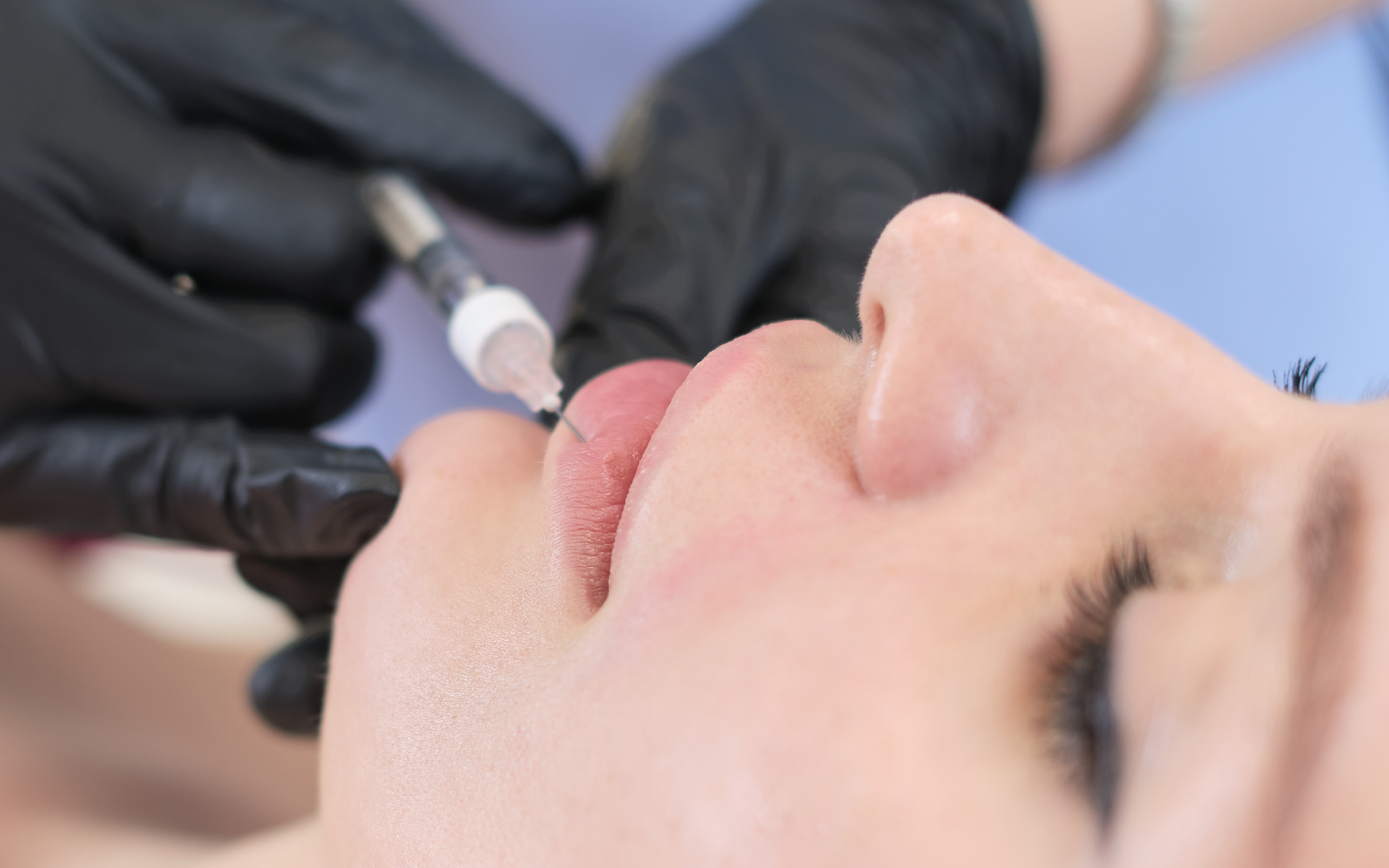
Dr. Mehmet Ali Aslan
Almost everyone who comes to me about lip filler says the same thing. They want fuller lips, but they don’t want anyone to know.
We’ve all seen lips that look done. Too big, pushed forward, borders that look drawn on. When people say they’re nervous about lip filler, that’s the picture in their head.
But that’s not what lip filler does. That’s what happens when too much is used, or when it’s put in the wrong place by someone who hasn’t thought carefully about your face. Done properly, nobody should be able to tell. They should just think you look well.
Why some lip filler looks obvious
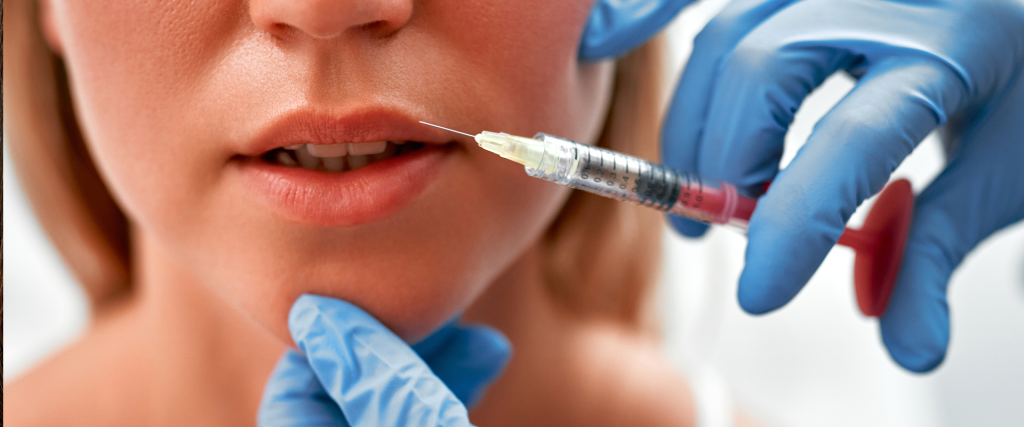
Four things usually go wrong.
THE FOUR COMMON CAUSES
| What goes wrong | Why it becomes noticeable |
| Too much in one go | Lips are small. There’s only so much room. Past a certain point the lip has nowhere to go but forward, and that’s when it starts to look inflated instead of full. |
| Treating the lip as one thing | Your lip isn’t a single unit. The edge, the soft pink part, the little peaks in the middle all do different jobs. Filling them all the same way gives you a lip that looks puffy rather than shaped. |
| Ignoring balance | Your lips need to suit the rest of your face. There’s a natural relationship between your top and bottom lip, and between your lips and everything else. Lose that and the lips stop belonging to the face they’re on. |
| Copying someone else | A lip that looks lovely on a twenty-five year old can look obvious on someone in their fifties, because it doesn’t match the rest of their face. What suits you depends on your features, not on a photo. |
The two different treatments most people don’t know about
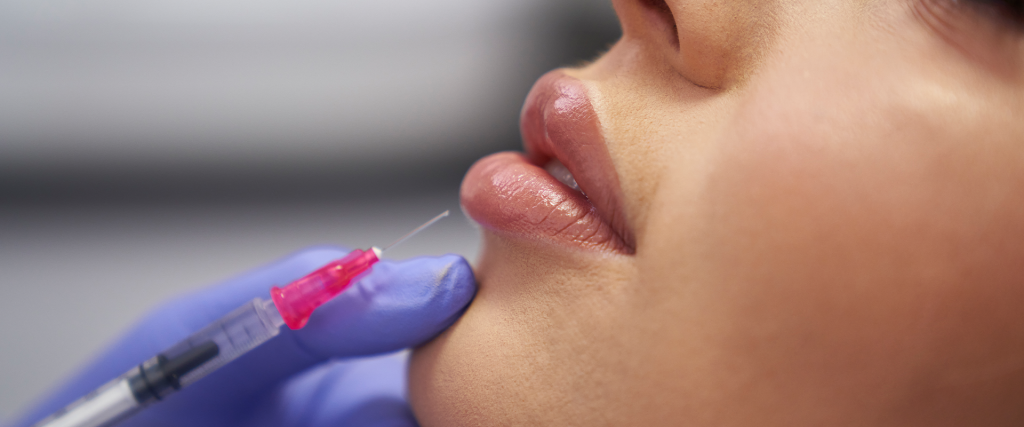
This is the thing that changes results the most, and most patients have never heard it.
DEFINITION AND VOLUME ARE NOT THE SAME TREATMENT
| Defining the edge | Adding volume |
| The border of your lip is where the pink meets the skin. It’s what gives your lip its shape. As we get older this edge softens and blurs, which is why lips can look less defined even when you haven’t really lost much volume. Filler placed carefully along this border sharpens your outline. It brings back definition and lifts the little dip in the middle of your top lip. It adds hardly any volume at all. | Filler placed into the soft pink part of the lip is what actually makes lips fuller. This is the one for lips that have thinned over the years, or for people who’ve always had naturally fine lips. |
Usually you want both
Volume without definition can look soft and shapeless. Definition without volume can look outlined but flat. When we do both in proportion, your lip just looks like a better version of itself.
What filler can and can’t do
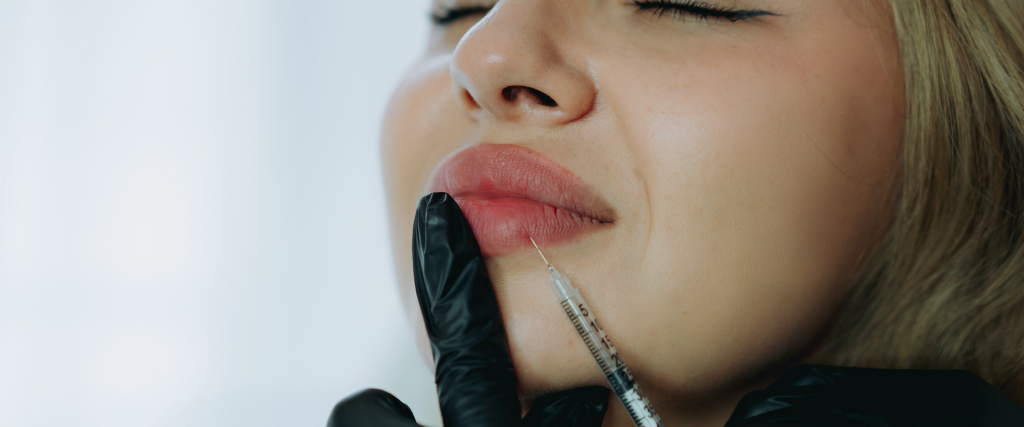
This is the most important part of this article, and it’s the conversation I have with every patient before I pick up a syringe.
What it can do
- Bring back volume you’ve lost over the years
- Add fullness to naturally fine lips
- Redefine an edge that’s gone soft
- Improve the balance between your top and bottom lip
- Even out mild unevenness
- Soften fine lines around the mouth
- Slightly lift the corners
What it can’t do
Filler can’t turn your lip into a different lip. I want to say that plainly, because it’s behind most disappointing results.
Filler works with the lip you already have. It follows your existing shape. If you bring in a photo of someone whose lips are built completely differently to yours, filler won’t recreate that. It’ll just make your own lip bigger. And the harder you push towards someone else’s shape, the more obvious it looks.
Your consultation
A proper consultation takes time. Mirror, honest conversation, clear plan.
We’ll also go through your medical history. If you get cold sores, tell me. Lip filler can trigger them, and there’s medication we can give you beforehand that prevents it. If you’re wearing braces, it’s usually better to wait until they come off.
Then we agree on a realistic result before anything happens. If I don’t think what you’re asking for will suit you, I’ll say so and explain why. That conversation is a much better use of your time than a treatment you regret.
What happens on the day
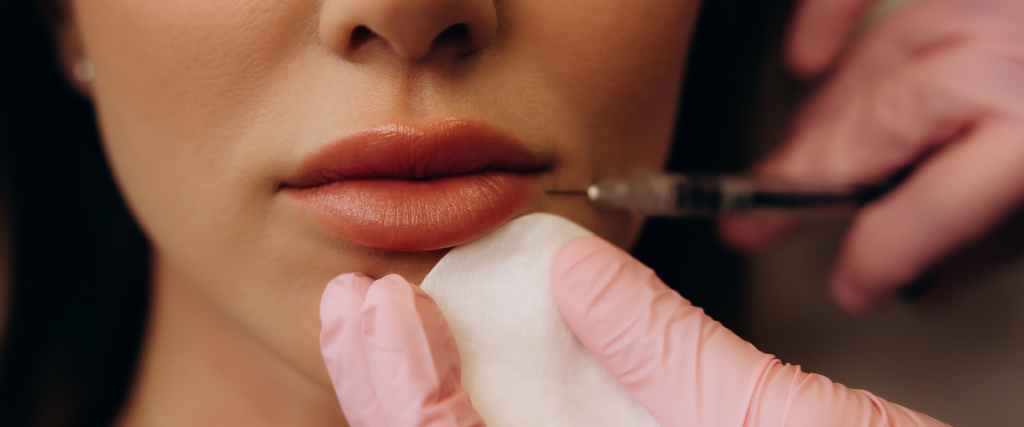
Will it hurt?
Less than you think.
I use a strong numbing cream on your lips and leave it for twenty to thirty minutes before we start. The filler itself also contains a local anaesthetic. Between the two, most people find it very manageable. You’ll feel pressure and movement rather than sharp pain.
Some clinics numb the lips with injections inside the mouth first. I don’t do this routinely. It means more needles, it takes longer, and it temporarily swells the lip, which makes it harder for me to judge shape and symmetry while I’m working. Since your result depends almost entirely on getting the shape right, I’d rather keep your lip in its natural state so I can see exactly what I’m doing.
The treatment
Depending on what we’re doing, I’ll use either a very fine needle or a cannula. A cannula is a blunt, flexible tube rather than a sharp needle. It moves through the tissue instead of piercing it, which means fewer entry points, less bruising, and a lower chance of catching a blood vessel.
The whole appointment takes about forty-five minutes to an hour. The injecting itself is usually fifteen to twenty minutes of that.
What to expect afterwards
RECOVERY AND RESULTS TIMELINE
| Stage | What to expect |
| The first few days | Your lips will look fuller straight away, but they’ll also be swollen. For the first day or two they may look bigger than the result you’re actually going to get. That’s normal and it’s not what you’ll be left with. Swelling usually settles within three to five days. Bruising, if you get any, clears within about a week. Ice helps with both. |
| Two to four weeks | By around two weeks the filler has settled and you’re seeing your real result. At four weeks I see every lip filler patient again. We check the volume, look at symmetry properly, and decide whether anything needs a small adjustment. Usually it’s a tiny amount if anything at all. I’d always rather use less at the first appointment and add a little at review than use too much and have to dissolve it. It means one extra visit, but it’s the most reliable way to avoid an overfilled result. |
| How long it lasts | Around six to nine months. That’s shorter than most other areas of the face, and the reason is simple. You talk, eat, drink and smile constantly, and all that movement breaks the filler down faster. |
Aftercare
Use ice on and off for the first few hours and again in the evening. It makes a real difference to swelling.
Skip the gym, alcohol, saunas and very hot baths for the first 24 hours, since all of them make swelling and bruising worse. Avoid lipstick for the rest of the day, sleep on your back the first night, and try not to press or massage your lips unless I’ve asked you to.
If I’ve given you cold sore medication, finish the whole course.
Come to your four week review even if you’re delighted. It’s a clinical appointment, not a sales pitch, and it’s how small things get corrected before they settle in.
Risks you should know about
Lip filler is safe in trained hands, but it’s still a medical procedure. Anyone who tells you there are no risks should give you pause.
Swelling, bruising and tenderness are normal and affect most people to some degree. Lips swell more than almost anywhere else on the face. That’s a normal reaction, not a complication.
Small lumps can usually be smoothed out, and if you’re genuinely unhappy, this type of filler can be dissolved with an injection that breaks it down within a day or two. That’s a real safety net.
The serious risk, and I’ll name it honestly, is filler accidentally going into one of the small arteries in the lip. This can block the blood supply and damage the tissue. It’s rare, but it’s not impossible, and the risk is higher in thinner lips where those vessels sit closer to the surface.
It’s managed by knowing the anatomy, injecting slowly, using a cannula where appropriate, and spotting the warning signs immediately. This is why I’d encourage anyone considering lip filler to choose a medically qualified injector who has the dissolving agent on site. Not because problems are common, but because if one happens, the first half hour matters enormously.