
 English
 Spanish
 Arabic
 Chinese
 French
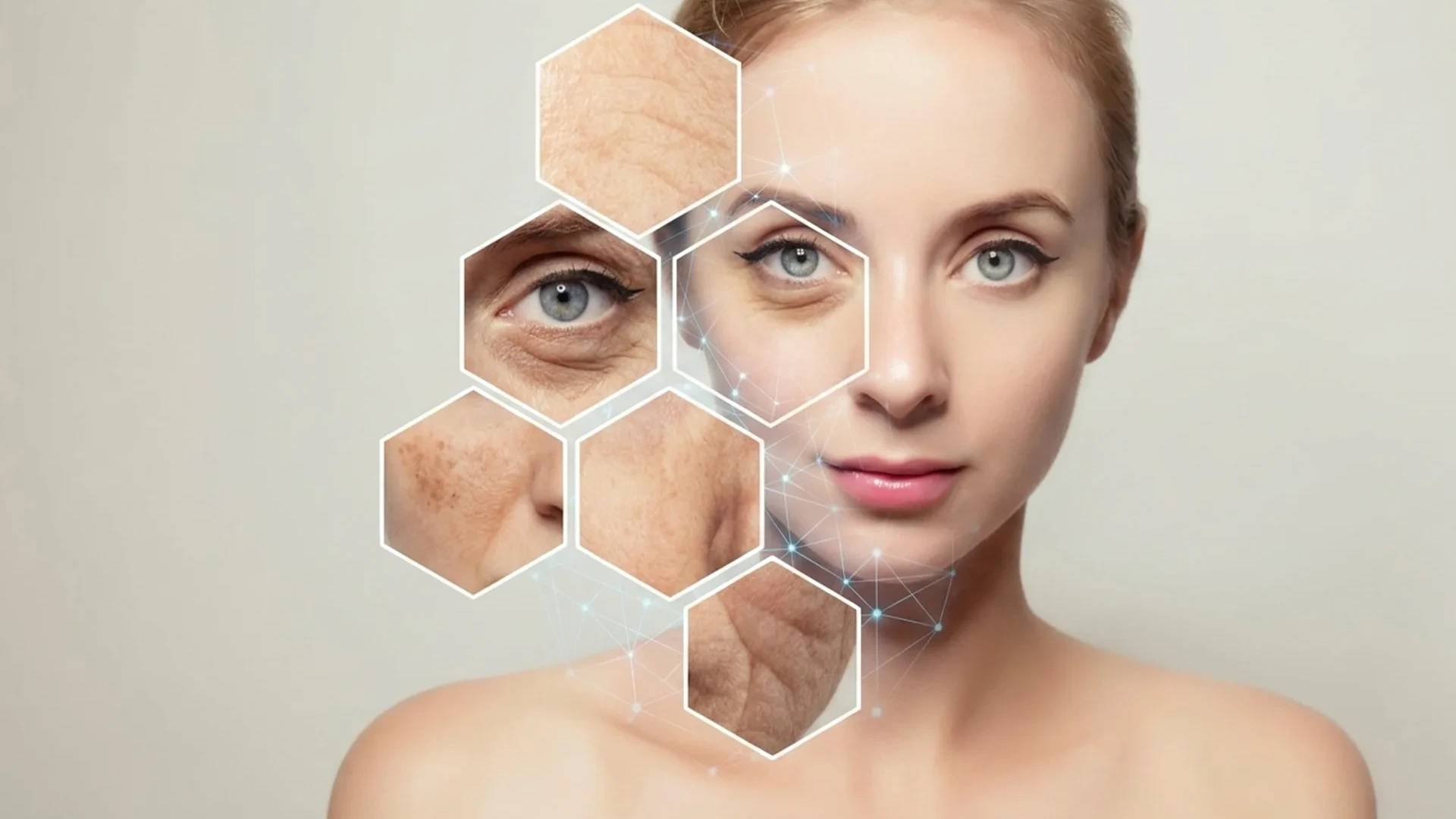
Loose skin, post-procedure firmness and uneven tissue texture are often described as though they were the same problem. They are not. A person may have reduced skin elasticity after weight change, dense scar-like tissue after liposuction, residual swelling, contour irregularity, or a combination of several factors — and each of those findings changes the conversation about treatment.
SkinTight™ is the name used by Dr Ducu Clinics for a doctor-led protocol that combines energy-based tissue treatment with microneedling and, where clinically appropriate, an injectable component. The aim is not to promise a surgical lift without surgery. It is to assess the tissue carefully, select a treatment plan that fits the actual problem and support gradual improvement in skin quality, texture and selected areas of laxity or fibrosis.
That distinction matters because “skin tightening” is one of the easiest phrases in aesthetics to over-simplify. Some patients need better texture. Some have true laxity. Some have tethering or firmness after surgery. Some have excess skin that an energy-based treatment cannot realistically remove. A useful consultation begins by separating those possibilities before discussing what a device or protocol may do.
SkinTight™ should be approached as a tissue-remodelling plan, not as a guarantee of a particular centimetre change or a replacement for surgery. Radiofrequency microneedling has evidence for improving aspects of skin texture and laxity, but outcomes vary by device, settings, anatomy and indication. Evidence specifically for post-liposuction fibrosis is more limited, so diagnosis and expectation-setting are particularly important.
Contents
Skin laxity, fibrosis and contour irregularity are not the same
A smooth result starts with the right diagnosis. Skin laxity describes reduced firmness or recoil. Fibrosis is scar-like tissue that can form during healing and may feel firm, tethered or irregular. Post-operative swelling can also create temporary hardness or unevenness, while contour irregularity may come from differences in fat thickness, scar tissue, skin quality or the underlying anatomy.
Those distinctions matter because a treatment aimed at collagen remodelling cannot automatically correct every contour problem. A firm area soon after surgery may still be part of normal healing. A depression may reflect volume loss rather than fibrosis. A large amount of redundant skin may be beyond what a non-surgical protocol can reasonably change.
| Presentation | What it can feel or look like | Why assessment matters |
|---|---|---|
| Skin laxity | Reduced firmness, creasing or skin that does not retract as much as expected. | The degree of laxity and the amount of true excess skin influence whether a non-surgical approach is realistic. |
| Fibrosis / scar-like tissue | Localised firmness, tethering, nodularity or reduced tissue mobility after healing. | Not every hard area is fibrosis; timing, previous surgery and physical examination help distinguish the cause. |
| Post-operative swelling | Diffuse fullness, firmness or unevenness that changes as healing progresses. | Treating too early or mislabelling swelling as fibrosis can lead to an unnecessary or poorly timed intervention. |
| Contour irregularity | Visible dips, ridges or asymmetry that may involve skin, fat, scar tissue or several layers. | The plan depends on which tissue layer is creating the irregularity; one device cannot solve every cause. |
Instead of asking “Which machine tightens skin the most?”, the more useful question is: what tissue problem is actually creating the appearance I want to improve?
What SkinTight™ is designed to do
Dr Ducu Clinics describes SkinTight™ as a combined protocol rather than a single-device treatment. The current clinic information includes a radiofrequency-assisted tissue-remodelling phase, a microneedling phase and, in selected treatment plans, an injectable component chosen according to the clinical presentation. The exact sequence, depth and treatment area are determined after assessment.
The purpose of combining modalities is not to claim that more treatment automatically means a better result. It is to allow the clinician to address different aspects of tissue quality within one plan. Energy-based treatment may be used to create controlled thermal effects within tissue; microneedling creates controlled micro-injury; and an injectable component, where appropriate, is a separate intervention with its own indication, benefits and risks.
How radiofrequency microneedling fits into tissue remodelling
Radiofrequency microneedling uses fine electrodes that enter the skin and deliver radiofrequency energy at selected depths. That energy produces controlled heating within tissue. The biological response can include collagen remodelling and changes in dermal structure, which is why the technology is used for concerns such as texture, acne scarring, fine lines and selected degrees of laxity.
Recent systematic reviews report improvement across a range of dermatological and facial-rejuvenation indications, but they also highlight a familiar problem in aesthetic medicine: studies use different devices, needle depths, energy levels, treatment intervals and outcome measures. That makes it difficult to promise one precise result or one universal protocol.
The safety conversation also needs to be current. In October 2025, the US FDA issued a safety communication after reports of serious complications with certain uses of RF microneedling, including burns, scarring, fat loss, disfigurement and nerve damage. That does not mean every treatment is unsafe; it means RF microneedling should be treated as a medical procedure with careful patient selection, appropriate device use and informed consent — not as a casual beauty treatment.
Why post-liposuction fibrosis needs a proper assessment
Post-liposuction tissue can be complex. Early firmness may be part of ordinary healing. Persistent hard nodules, adhesions, depressions or tethering can represent fibrosis or other contour changes. Published literature on the management of fibrosis after liposuction remains limited, and even recent surgical literature emphasises the importance of classifying what is actually present before choosing a treatment.
That is particularly important for SkinTight™ because the clinic uses the protocol in selected patients with post-procedure fibrosis. The strongest evidence for RF microneedling as a technology relates to skin texture, scarring and laxity; evidence specifically proving a particular combined RF-microneedling protocol for post-liposuction fibrosis is much less established. For that reason, the responsible approach is to present fibrosis treatment as an individual clinical indication rather than a guaranteed correction.
A hard or uneven area after liposuction should be examined before it is labelled “fibrosis”. Timing, palpation, skin mobility, contour, previous treatment and the surgical history all matter. In some situations the most appropriate step may be observation, postoperative care or referral back to the operating surgeon rather than immediate energy-based treatment.
Who may be suitable — and when treatment may need to wait
A suitable patient is not defined by age alone. The more useful factors are the degree of laxity, the quality and thickness of the tissue, previous procedures, healing history, the presence of fibrosis or scar tissue, the treatment area, medical history and whether the desired change is realistic for a non-surgical approach.
Active infection in the proposed treatment area, pregnancy or breastfeeding and certain implanted electronic devices are among the factors that require careful assessment. Additional considerations can depend on the specific RF device, whether microneedling or an injectable component is planned, medication history, wound-healing history and the location being treated.
- Active infection, open skin or uncontrolled inflammation: treatment is generally postponed until the area has been medically reviewed and healed.
- Implanted electronic devices: radiofrequency treatments may be unsuitable with some pacemakers or other implanted systems; device-specific guidance matters.
- Pregnancy or breastfeeding: elective aesthetic treatment is commonly deferred; the individual protocol and products involved should be reviewed.
- Recent surgery: the tissue needs enough time to heal before persistent fibrosis or contour change can be assessed reliably.
- Expectation mismatch: if the goal requires removal of substantial excess skin or a structural correction, a non-surgical protocol may not be the right tool.
What a SkinTight™ consultation should assess
The consultation is where a commercial-sounding phrase such as “tightening” becomes a clinical plan. The clinician should understand what changed, when it changed, whether the area has been operated on before, how the tissue feels, how mobile the skin is and what the patient actually wants to improve.
| Consultation factor | What is assessed | How it may change the plan |
|---|---|---|
| Previous surgery or liposuction | Timing, technique if known, healing pattern, complications and any previous corrective treatment. | May change when treatment is appropriate and whether a fibrotic or surgical issue should be reviewed first. |
| Tissue quality | Skin thickness, laxity, texture, tethering, firmness and mobility. | Influences device settings, depth, number of passes and whether the expected improvement is realistic. |
| Medical history | Implants, medications, infection risk, bleeding tendency, wound-healing problems and relevant conditions. | May alter suitability, aftercare, anaesthesia or whether treatment should be postponed. |
| Treatment goal | Texture, firmness, a localised fibrotic area, contour or a combination. | Prevents one protocol from being used as a generic answer to different problems. |
| Baseline photography | Standardised photographs where clinically appropriate and consented. | Creates a more objective reference for follow-up instead of relying only on memory or lighting changes. |
A good consultation should also include the alternative of doing nothing, waiting longer after surgery, using a different treatment or considering surgery when non-surgical treatment is unlikely to meet the goal. Informed consent is stronger when alternatives and limitations are discussed before the day of treatment.
What happens during treatment
The current Dr Ducu Clinics information describes SkinTight™ as an in-clinic procedure performed with local anaesthetic, with sedation available in selected cases. Session length varies with the number and size of areas; the clinic currently describes a single area as often taking around one to two hours. Those timings are operational guidance rather than a guarantee for every patient.
The clinic describes a sequence that begins with preparation and anaesthesia, followed by radiofrequency-assisted tissue treatment, microneedling and then an injectable phase where that forms part of the individual plan. Because the protocol can vary, the consent discussion should identify which components are being used for that patient rather than treating “SkinTight™” as one indivisible intervention.
Recovery: what the first days and weeks may look like
Recovery depends on the treatment area, settings, whether injections were used, the patient’s healing response and how extensive the session was. Redness, warmth, swelling, tenderness and bruising can occur. Some people return to ordinary activities quickly; others prefer more recovery time, particularly after larger body areas or combination treatment.
The original clinic article describes redness and warmth often settling within roughly 24 to 48 hours and bruising sometimes lasting several days. Those ranges are useful as general guidance, but they should not be treated as a promise. Recovery that is worsening rather than gradually settling deserves review.
When to judge results and how treatment courses are planned
SkinTight™ is not an instant-result treatment. Some early firmness can relate to tissue contraction or swelling, but the more meaningful question is what remains after the acute recovery has settled and the tissue has had time to remodel.
The clinic currently describes some patients as needing a single session and others a course of two to four treatments. That should be understood as a planning range, not a guarantee that every patient needs the same number. The appropriate course depends on the indication, area, severity, response, safety considerations and whether the initial goal was realistic.
A useful endpoint might be “softer tethering in this localised area” or “modest improvement in lower-abdominal skin firmness”. A vague goal such as “make everything tight” is harder to assess and more likely to create disappointment.
Aftercare and protecting the treated tissue
Aftercare should follow the exact procedure that was performed. The clinic’s current guidance emphasises sun protection, a gentle skincare routine, avoiding aggressive actives until advised, limiting additional heat exposure and attending follow-up. The detail may differ between a facial treatment and a larger body area.
- Protect the skin barrier: avoid unnecessary friction, exfoliation or strong actives until the clinician advises that the area has recovered.
- Use sun protection: particularly on exposed areas, because post-procedure inflammation can increase the risk of unwanted pigmentation in susceptible skin.
- Avoid extra heat when advised: saunas, steam rooms and very hot baths can add heat to tissue that is already recovering from an energy-based procedure.
- Follow exercise guidance: strenuous activity may be restricted for a short period depending on the treatment area and extent of the session.
- Attend review: follow-up is where healing, tissue response and the need — or lack of need — for another session can be assessed.
Risks, limits and warning signs
SkinTight™ combines procedures that each have their own risk profile. Expected short-term effects can include redness, warmth, swelling, tenderness and bruising. Infection is possible whenever the skin barrier is breached. Microneedling and RF microneedling can also cause pigment change, prolonged inflammation or scarring in some patients.
The risk discussion should also reflect newer safety information. The FDA has reported serious complications with certain uses of RF microneedling, including burns, scarring, fat loss, disfigurement and nerve damage. These events appear uncommon, but their severity is exactly why parameters, anatomy, device choice and clinician training matter.
| What you notice | How to think about it | What to do |
|---|---|---|
| Mild redness, warmth, tenderness or swelling | Can occur in the early recovery period after energy treatment or microneedling. | Follow written aftercare and monitor for steady improvement. |
| Bruising, particularly where injections were used | A recognised short-term effect that can take several days to fade. | Contact the clinic if bruising is unusually extensive, painful or associated with other concerning symptoms. |
| Increasing heat, spreading redness, discharge or fever | Not a routine recovery pattern and may suggest infection or another complication. | Contact the clinic promptly for medical assessment. |
| Blistering, severe or increasing pain, marked skin colour change | Can indicate a significant thermal or tissue injury. | Seek urgent clinical review rather than waiting for the next scheduled appointment. |
| New numbness, weakness or other neurological symptoms | Not an expected routine effect. | Seek prompt medical assessment, especially if symptoms are severe or progressing. |
What SkinTight™ can and cannot replace
The most commercially useful promise is not the biggest promise; it is the most accurate one. SkinTight™ may be considered when the goal is improvement in tissue quality, texture, selected laxity or a carefully assessed fibrotic area. It is not a substitute for removing a large amount of excess skin, repairing muscle separation, correcting a hernia or recreating a surgical contour when surgery is the treatment that best matches the anatomy.
This is also why “non-surgical” should not be translated into “minor” or “risk-free”. A procedure can avoid an incision and still require anaesthesia, sterile technique, clinical judgement, recovery and careful follow-up. Presenting that honestly is more useful to patients than implying that every person can return immediately to every activity or obtain a surgical-level change without surgical trade-offs.
What the evidence says — and where it is still limited
The evidence for radiofrequency microneedling has become more substantial, particularly for facial rejuvenation, texture and scar-related indications. Recent systematic reviews describe generally positive aesthetic outcomes, but they also note major variation between devices, settings, treatment protocols and study quality. That means the category has evidence, but it does not prove that every branded protocol or every treatment area will behave in the same way.
For post-liposuction fibrosis, the evidence is more limited. A 2024 paper on fibrosis management in secondary liposculpture explicitly noted that current evidence remains limited. Other studies have explored postoperative ultrasound, massage and surgical approaches, but there is no single universally established non-surgical standard for every fibrotic presentation.
There is also an important distinction between evidence for individual components and evidence for the exact SkinTight™ combination. Radiofrequency microneedling and microneedling have published literature; some injectable biostimulatory treatments have their own evidence bases. That does not automatically prove a synergistic effect for one proprietary sequence unless that exact protocol has been studied. The article should therefore describe SkinTight™ as a clinic protocol built from established treatment categories, while keeping claims about the combined outcome proportionate.
Frequently asked questions
These questions focus on the practical issues patients most often need clarified before deciding whether SkinTight™ belongs in their treatment plan.
What exactly is SkinTight™?
Is SkinTight™ the same as RF microneedling?
Can SkinTight™ tighten loose skin?
Can SkinTight™ treat fibrosis after liposuction?
How soon after liposuction can fibrosis be treated?
How many sessions will I need?
How long does a session take?
Is SkinTight™ painful?
What downtime should I expect?
When will I see the final result?
How long do SkinTight™ results last?
Can SkinTight™ replace a tummy tuck or surgical lift?
What are the main risks?
Who may not be suitable?
Does SkinTight™ use injectable products?
What should make me contact the clinic after treatment?
Related treatment: SkinTight™