Asymmetry may be balanced by dissolving or adding hyaluronic acid filler; lumps may be assessed with ultrasound; overfilling may be reduced in stages. Infection or inflammation needs prompt medical assessment, and suspected migration may require imaging.
Treatment details
A local anaesthetic may be used where clinically appropriate to reduce discomfort during treatment.
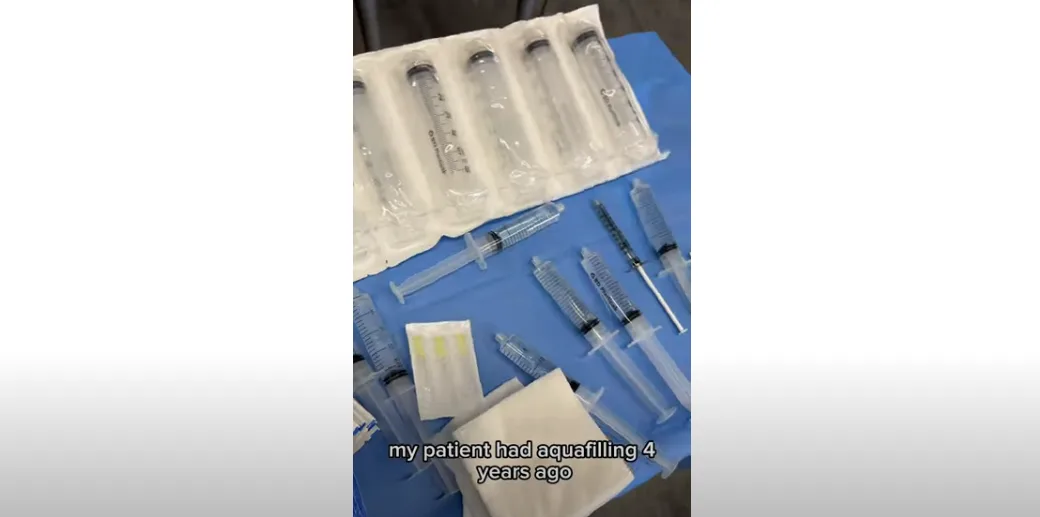
If hyaluronic acid fillers were used, a specialised enzyme called hyaluronidase is injected into the filler to break it down.
The enzyme works by speeding up the natural process of dissolving the filler, and the effects can be seen within 24-48 hours.
Follow-up appointments may be recommended to assess healing and the response to treatment.
Multiple sessions and follow-up appointments may be required depending on the type, location and volume of filler and the amount that can be appropriately treated during each session.
Management depends on the individual findings and may involve targeted treatment, observation or further specialist assessment.
Management depends on the severity and clinical findings, and urgent or specialist medical care may be required in some cases.
Aftercare and recovery
Temporary swelling, tenderness or bruising may occur, and recovery varies between patients and treatment methods.
Asymmetry: Differences in buttock shape or contour may remain or become more noticeable following filler reduction or removal.
Results, risks and limitations
Further medical assessment and treatment may be required if an infection develops.
Allergic reactions: Reactions to substances used during treatment may occur.
Lumps or irregularities: Lumps, firm areas or changes in texture may develop or become noticeable beneath the skin.
Overfilling or unnatural appearance: Excess filler may affect the proportion or contour of the treated area.
Infection or inflammation: Redness, warmth, swelling, increasing discomfort or other symptoms may require medical assessment.
Migration of filler: Filler may move away from the original treatment area and may require clinical assessment and, where appropriate, imaging.
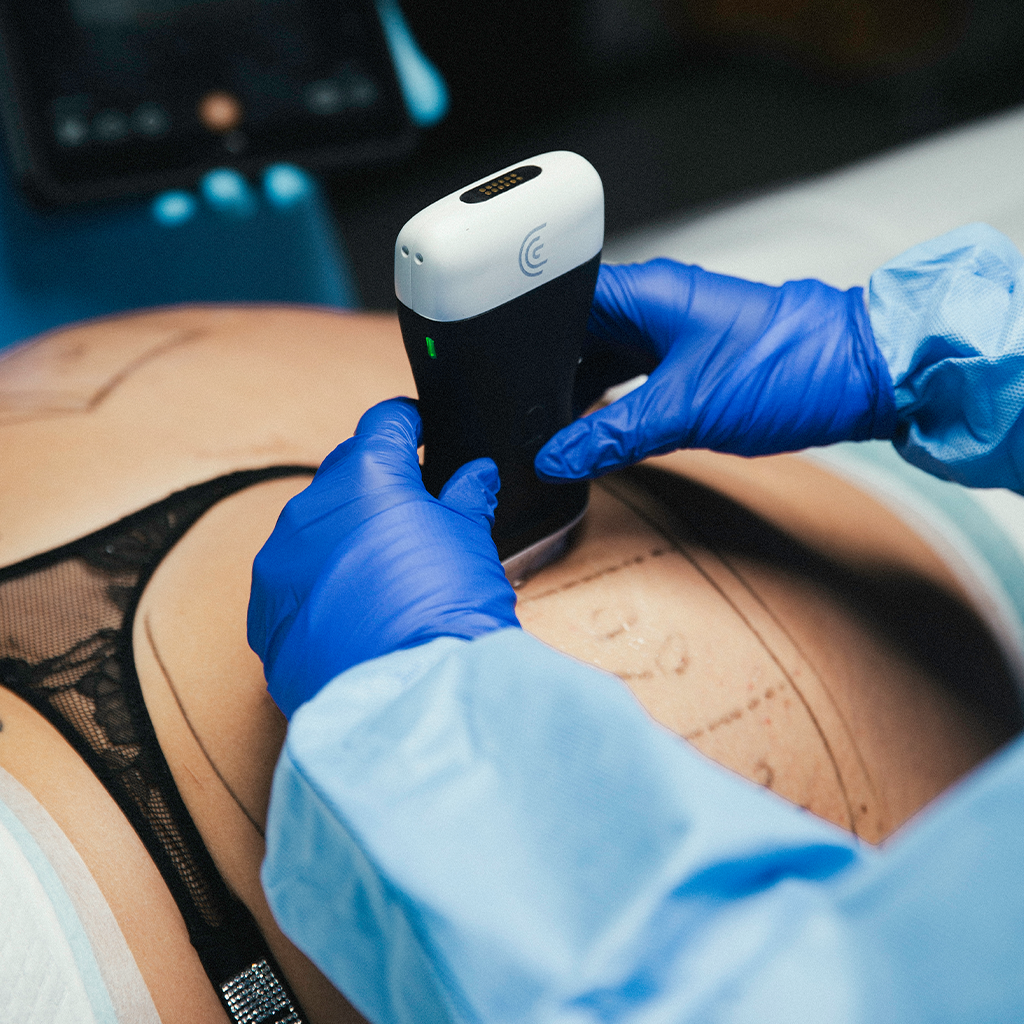
Lumps or irregularities – Clinical examination and ultrasound, where appropriate, may help assess whether an irregular area is related to filler or surrounding tissue.
Overfilling or disproportionate volume – Where filler reduction is clinically appropriate, treatment may be performed in stages.
The achievable change depends on the filler material, its distribution and the surrounding tissue, and complete removal cannot be guaranteed.
Migration of filler – Where filler is suspected to have moved from the original treatment area, clinical assessment and imaging may be required before treatment is considered.
Potential benefits, risks, limitations and expected outcomes are discussed before treatment, and risk cannot be completely eliminated.







 English
 Spanish
 Arabic
 Chinese
 French